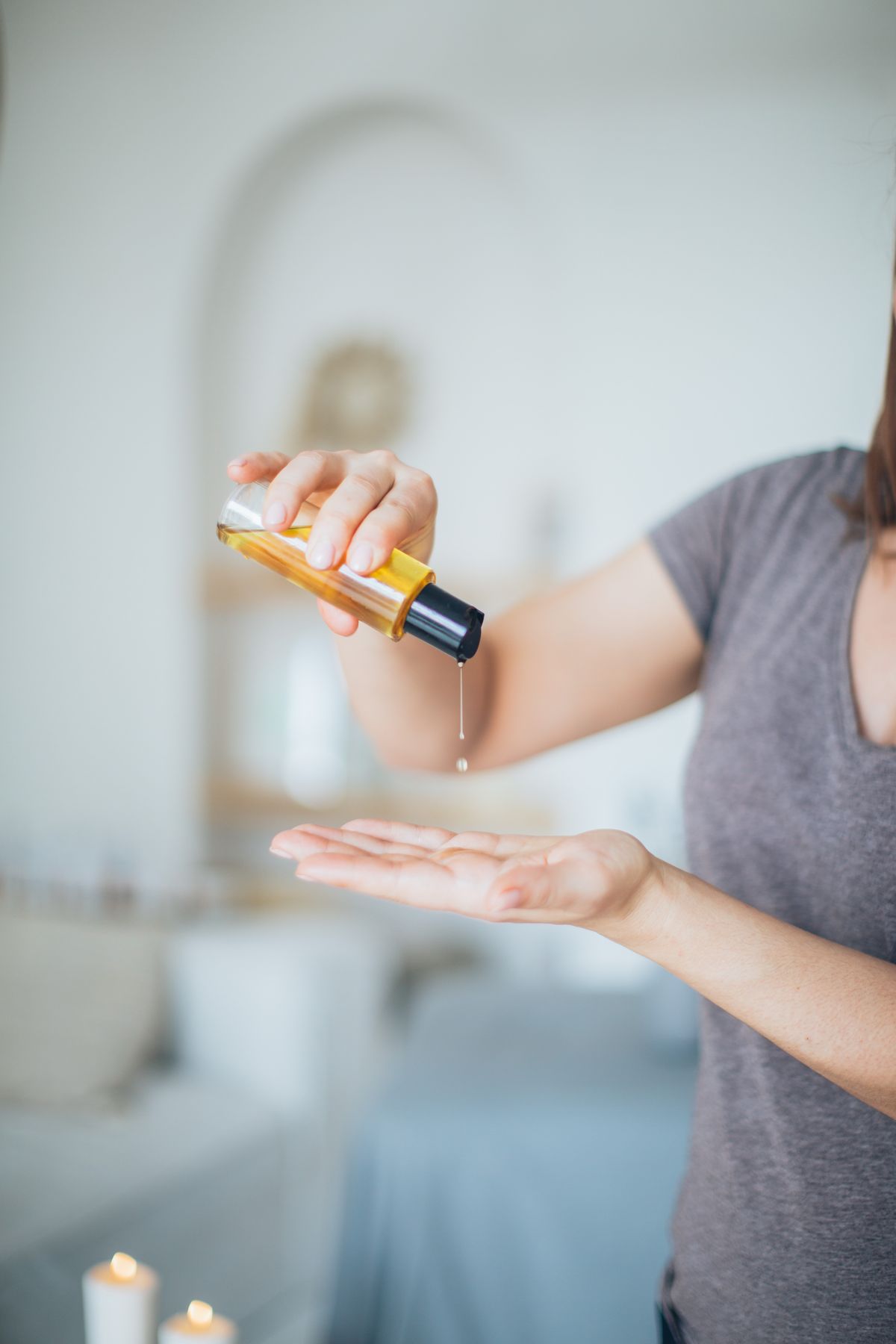
In the ancient language of Ayurveda, the Sanskrit word for oil — sneha — also means love. This is not a coincidence. Abhyanga, the practice of massaging the body with warm oil, is understood as one of the most direct ways to nourish the body, calm the nervous system, and express care for oneself. Long before massage became a modern wellness trend, Indian households practised this daily ritual, passed down through generations — grandmothers massaged infants with coconut oil, athletes prepared for competition with sesame oil rubdowns, and the classical texts described oil massage as essential as eating and sleeping.
What Is Abhyanga? Roots in the Classical Texts
Abhyanga (from abhi — glow, and anga — limb) is a form of therapeutic oil massage described in the oldest Ayurvedic texts as a cornerstone of Dinacharya — the daily self-care routine. The Charaka Samhita, composed over 2,000 years ago, dedicates extensive passages to the benefits of regular oil massage. One of the most frequently cited verses (Vol. 1, V: 88–89) states:
"The body of one who uses oil massage regularly does not become affected much even if subjected to accidental injuries, or strenuous work. By using oil massage daily, a person is endowed with pleasant touch, trimmed body parts, and becomes strong, charming, and least affected by old age."
The text distinguishes three forms of Abhyanga: Sarvanga Abhyanga (full-body massage), Shiro Abhyanga (head and scalp massage), and Pad Abhyanga (foot massage) — each with specific therapeutic benefits. Abhyanga also serves as a preparatory procedure (Purva Karma) within Panchakarma, Ayurveda's five-fold detoxification therapy, where oil massage helps loosen toxins (ama) from the deep tissues before they are expelled from the body.
Choosing the Right Oil for Your Dosha
The oil you use is not incidental — it is the medicine. In Ayurveda, oils are selected based on their qualities (gunas) to counterbalance the dominant dosha. Sesame oil holds a privileged position in the classical texts, where it is called the "king of oils" (taila) for its warming, penetrating, and nourishing properties.
| Dosha | Qualities to Balance | Recommended Oils | Technique |
|---|---|---|---|
| Vata (Air + Ether) | Cold, dry, light, mobile | Sesame, almond, Dhanwantharam Thailam | Slow, firm, generous strokes with abundant warm oil |
| Pitta (Fire + Water) | Hot, sharp, oily, intense | Coconut, sunflower, jojoba | Light, soothing strokes with cooling oil |
| Kapha (Earth + Water) | Heavy, cool, oily, slow | Mustard, light sesame, sunflower | Vigorous, stimulating strokes with minimal oil |
Sesame oil's effectiveness goes beyond tradition. According to Ayurvedic pharmacology, its small molecular structure allows it to penetrate all seven tissue layers (Sapta Dhatu), and a 2008 study published in the Indian Journal of Experimental Biology confirmed its notable anti-inflammatory and antioxidant properties when applied topically. The oil also possesses natural antibacterial activity against common skin pathogens including Staphylococcus and Streptococcus.
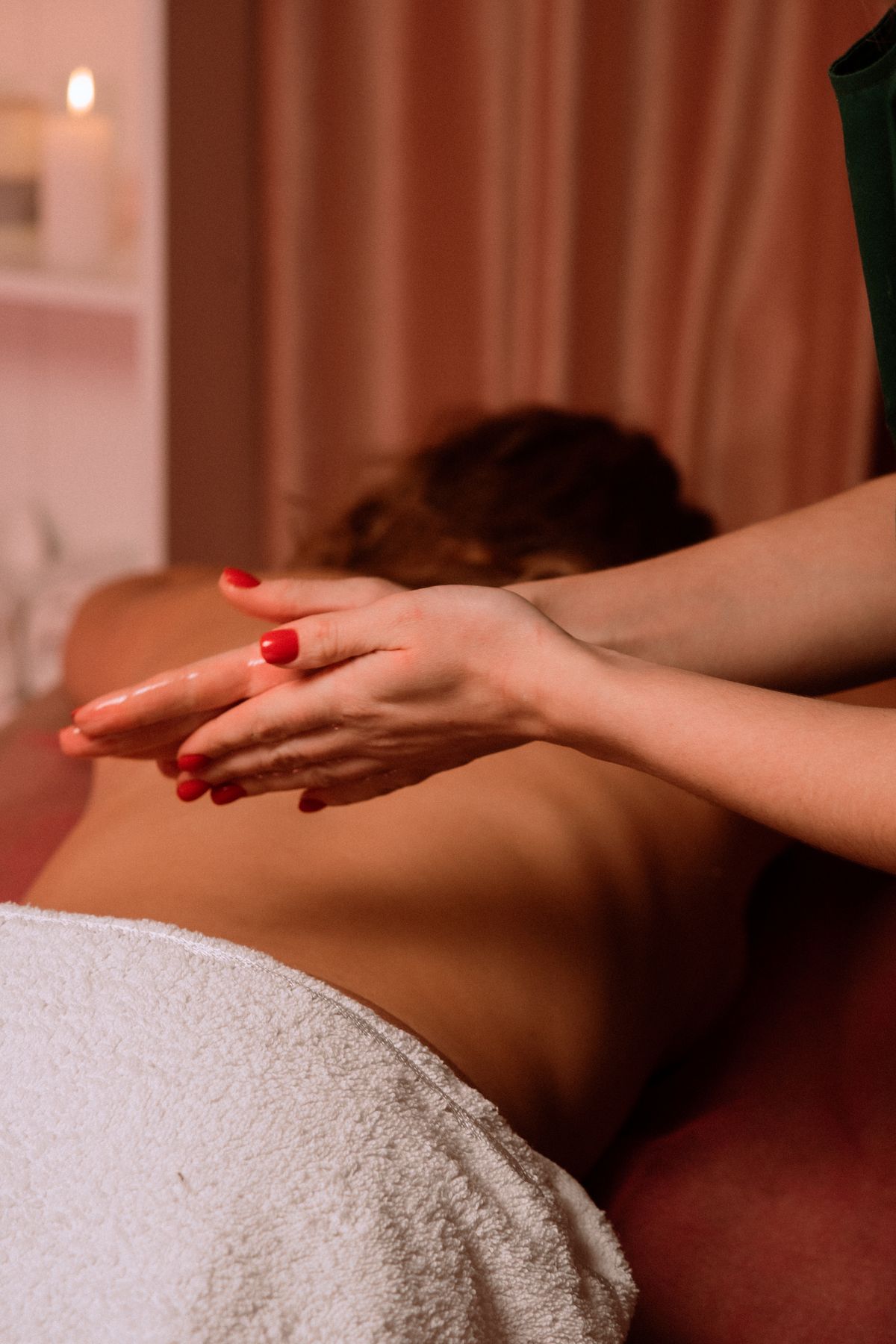 Close-up of warm massage oil being applied to hands during a spa treatment, representing the Ayurvedic practice of Abhyanga
How to Perform Abhyanga: A Step-by-Step Guide
The beauty of Abhyanga lies in its simplicity. The entire practice takes 10–15 minutes and requires only warm oil and a quiet space. Here is the classical sequence:
Preparation
- Warm the oil by placing a small bottle or cup of oil in a bowl of hot water. The oil should be comfortably warm to the touch — test it on your inner wrist. Never use cold oil, as this disturbs Vata dosha.
- Set the space: choose a warm, draft-free area. Lay an old towel on the floor. Undress and take a moment to breathe.
The Massage Sequence
- Scalp and head (Shiro Abhyanga): Begin with a generous amount of oil on the crown. Massage the scalp with firm, circular fingertip movements. The classical texts highlight this step for promoting sleep quality, eye health, hair strength, and mental clarity.
- Face and ears: Use gentle upward strokes from chin to forehead — never pulling the skin downward. Massage the temples and jaw in small circles. Apply a drop of oil to each ear and gently massage the outer ears and earlobes, which are rich in nerve endings.
- Neck and shoulders: Long upward strokes along the neck; circular work around the shoulder joints and the base of the skull, where several important marma points (vital energy centres) are located.
- Arms and hands: Long strokes along the upper arms and forearms; circular strokes at the shoulder, elbow, and wrist joints. Work oil into each finger individually and use circular strokes on the palms.
- Chest and abdomen: Broad, gentle strokes across the chest. On the abdomen, massage in a clockwise direction, following the natural path of digestion.
- Back: Circular strokes on the upper back and sacrum; long sweeps along the spine and from ribs to hips. Reach what you can — this is self-care, not perfection.
- Legs: Long strokes on the thighs and calves; circular strokes at the hips, knees, and ankles.
- Feet (Pad Abhyanga): Apply firm circular strokes on the soles — classical Ayurveda maps the entire body through marma points on the feet, and the feet are considered the most direct seat of Vata dosha. Work oil between each toe and give extra attention to the heels.
After the Massage
Allow the oil to absorb for 5–10 minutes — sit quietly, meditate, or practise gentle breathing. Then take a warm shower, using minimal soap. The goal is not to strip the oil away but to remove the excess, leaving a thin, nourishing layer on the skin.
What the Science Says
The scientific evidence for Abhyanga, while still emerging, is encouraging. A study published in the Journal of Alternative and Complementary Medicine examined 20 healthy adults who received a one-hour Abhyanga session after completing a stress questionnaire. Post-massage, both heart rate and blood pressure decreased significantly, with particularly notable blood pressure reductions in pre-hypertensive participants. The researchers concluded that Abhyanga was a "promising therapy for reducing subjective stress."
A clinical trial conducted by Banyan Botanicals tracked the effects of daily oil self-massage over several weeks, comparing self-massage to professional massage therapy. Both groups reported significant improvements in stress levels, sleep quality, and overall quality of life. The self-massage group achieved results comparable to those receiving professional massage twice a week — a remarkable finding that underscores the therapeutic power of this simple daily practice. This study won first place when presented at the 2021 Evidence-Based Traditional Asian Medicine Conference held by Stanford University.
A comprehensive review published in the Indian Journal of Ayurveda and Alternative Medicines (2025) examined 32 studies on massage therapy and found consistent reductions in cortisol levels (up to 31%) alongside increases in serotonin and dopamine, with benefits observed across diverse populations including healthcare workers, students, and patients with chronic conditions.
A 2018 study on rhythmical massage with aromatic oil in 44 healthy women demonstrated long-term stimulation of heart rate variability — a reliable biomarker of parasympathetic nervous system activation and deep relaxation.
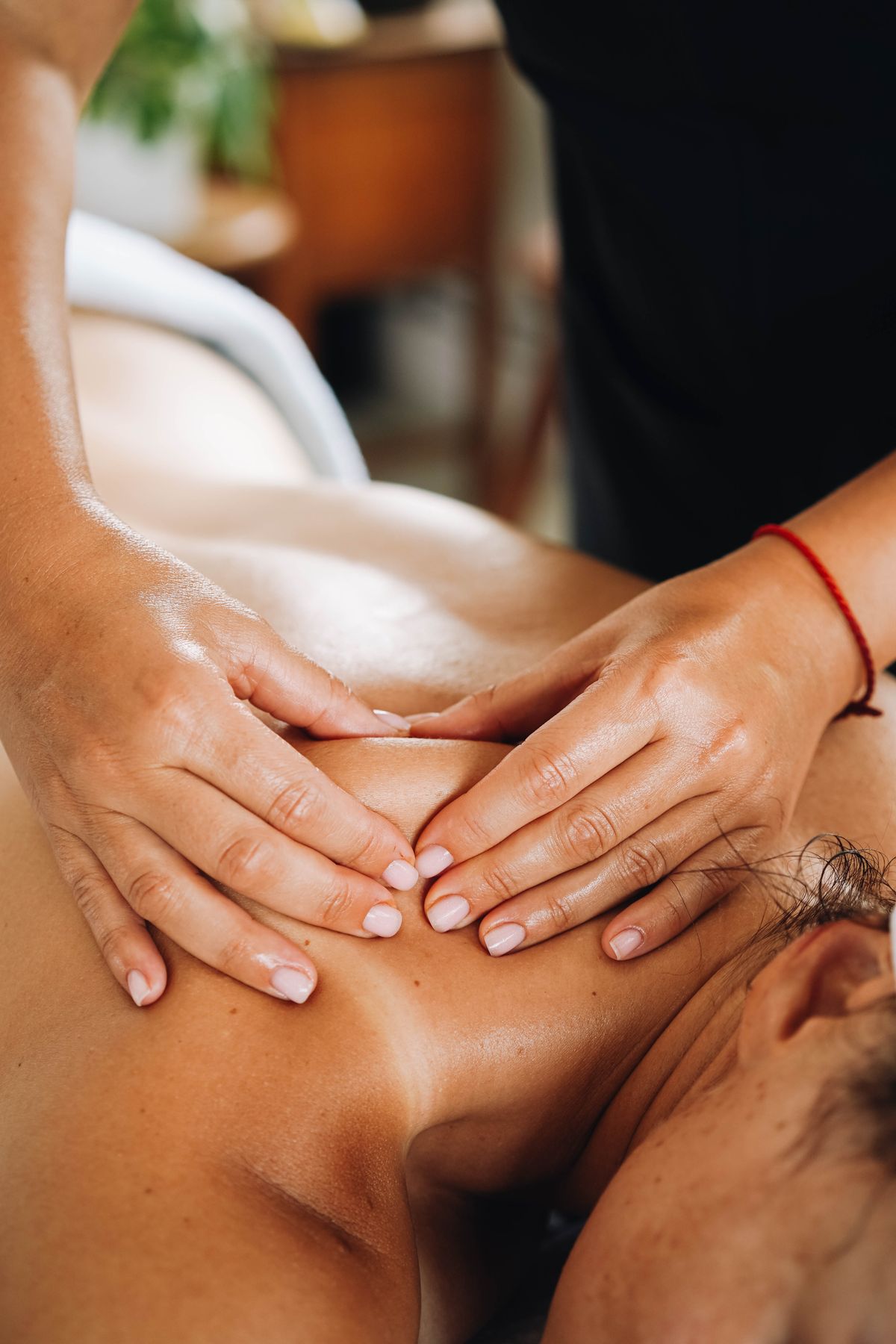 Close-up of a person receiving a soothing body massage in a warm, tranquil spa setting
Seasonal and Lifestyle Considerations
Ayurveda recognises that the doshas fluctuate with the seasons, and the Abhyanga practice should adapt accordingly:
- Autumn and winter (Vata season): Use heavy, warming oils like sesame. Increase frequency and use generous amounts of oil. Slow, firm strokes from head to toe.
- Summer (Pitta season): Switch to cooling oils like coconut or sunflower. Lighter application, gentler strokes.
- Spring (Kapha season): Use light, warming oils sparingly. Consider beginning with Garshana — dry brushing with silk gloves — before a light oiling, to stimulate the lymphatic system and counter Kapha's natural heaviness.
Regardless of season, the recommended frequency adjusts to your constitution: Vata types benefit from 4–5 sessions per week, Pitta from 3–4, and Kapha from 1–2. Even two to three sessions a week will produce meaningful change over time.
A Practice of Self-Nourishment
Abhyanga is not a luxury — it is a foundational act of self-care that the classical texts place alongside eating, sleeping, and bathing in importance. In a world that asks us to move faster, sit longer, and do more, the simple act of warming oil and massaging it into your own body is a radical return to presence. It asks for no equipment, no appointment, and no expertise — only willingness and fifteen minutes of attention. The ancient Ayurvedic sages understood what modern neuroscience is beginning to confirm: that consistent, intentional touch — even self-administered — has the power to lower stress hormones, improve sleep, nourish the skin, and restore a sense of groundedness that no supplement or productivity hack can replicate.
Sources & Further Reading
Research
- Basler, A. (2011). Pilot Study Investigating the Effects of Ayurvedic Abhyanga Massage on Subjective Stress Experience. Journal of Alternative and Complementary Medicine. View on PubMed
- Banyan Botanicals (2021). Clinical Trial: Studying the Benefits of Abhyanga Using Daily Massage Oil. Presented at the Evidence-Based Traditional Asian Medicine Conference, Stanford University. View Study
- Kröz, M. et al. (2018). Rhythmical Massage with Aromatic Oil and the Autonomic Nervous System. BMC Complementary and Alternative Medicine. View on PubMed
- Sharma, S. (2025). Massage Therapy as an Effective Intervention for Stress Reduction: A Comprehensive Review. Indian Journal of Ayurveda and Alternative Medicines. View Article
- Thakar, A.B. et al. (2025). Impact of Abhyanga (Oil Massage) on Skin Health and Aging. SWASTH Journal. View PDF
- Nagrale, S. et al. (2008). Anti-inflammatory and Antioxidant Properties of Sesame Oil. Indian Journal of Experimental Biology.
Further Reading
- Abhyanga Self-Massage Guide — Banyan Botanicals
- Abhyanga Massage for Each Dosha — California College of Ayurveda
- The Science of an Abhyanga — John Douillard's LifeSpa
- Abhyanga: An Ayurvedic Self-Care Ritual — National Ayurvedic Medical Association
Image Credits
- Cover: A person pouring massage oil on their hand — Pexels
- Close-up of warm massage oil being applied to hands — Pexels
- Person receiving a soothing body massage — Pexels
All images free to use under the Pexels License.