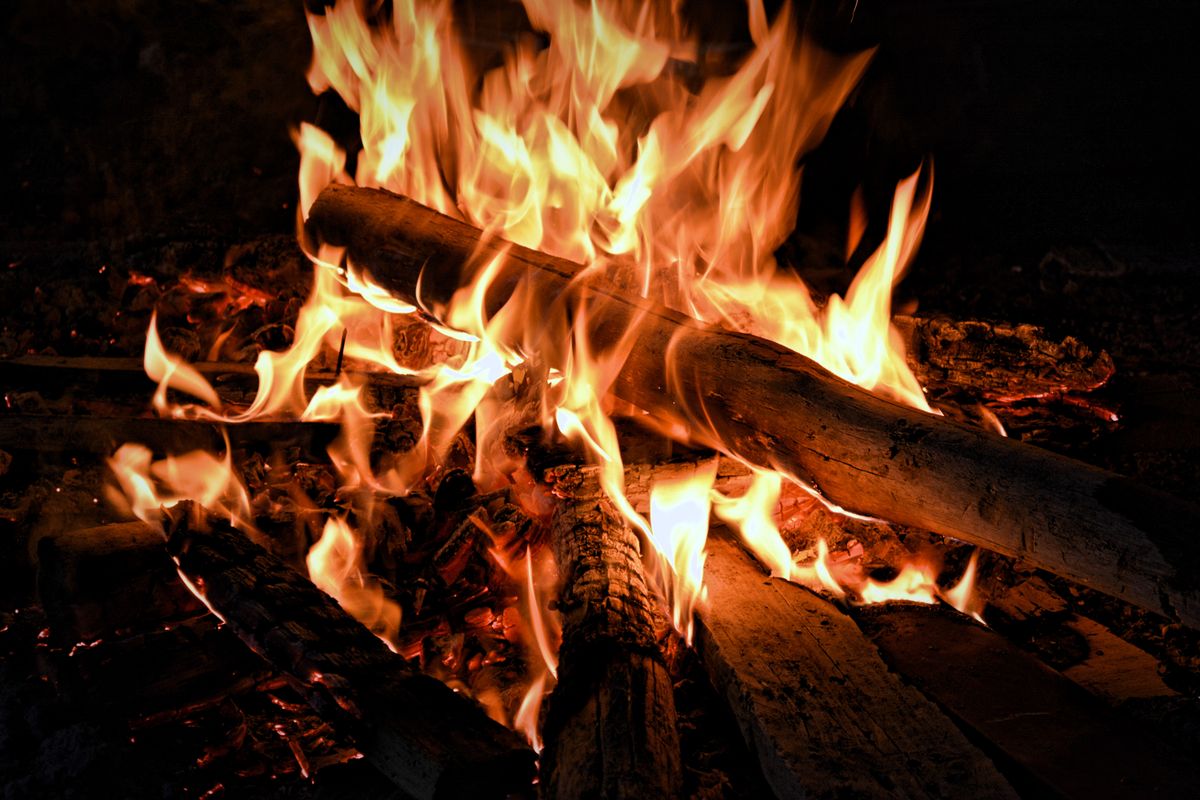
In Ayurveda, all health begins with Agni — the digestive fire. More than a metaphor for stomach acid or enzyme activity, Agni represents the entire spectrum of transformative processes that convert food into tissue, waste into elimination, and experience into understanding. The Charaka Samhita, one of Ayurveda's foundational texts, declares that "when Agni is extinguished, the person dies; when Agni functions properly, the person lives a long and healthy life free from disease." Modern integrative research is now providing molecular frameworks for this ancient principle — and the parallels between Ayurvedic fire and contemporary digestive science are remarkably precise.
The 13 Types of Agni
Ayurveda does not reduce digestion to a single organ or process. Instead, it identifies 13 distinct types of Agni, each governing a specific layer of metabolic transformation — from the initial breakdown of food in the stomach to the nourishment of individual tissues at the cellular level.
| Type | Number | Location | Function | Modern Parallel |
|---|---|---|---|---|
| Jatharagni | 1 | Stomach and duodenum | Primary digestion of food; separates essence (sara) from waste (kitta) | Gastric acid, pepsin, pancreatic enzymes |
| Bhutagni | 5 | Liver | Transforms digested nutrients into their elemental components (earth, water, fire, air, ether) | Hepatic enzymes, Phase I/II liver detoxification |
| Dhatvagni | 7 | Tissues (dhatus) | Nourishes and transforms the seven body tissues sequentially | Tissue-specific enzymes (lipoprotein lipase, osteoblast alkaline phosphatase, aromatase) |
Jatharagni is the master fire — the one upon which all others depend. Classical texts describe it as the "gatekeeper of life": when Jatharagni is strong, the downstream fires (Bhutagni and Dhatvagni) function efficiently; when it is impaired, the entire metabolic chain suffers, and undigested residue — known as Ama — begins to accumulate.
The five Bhutagnis, located in the liver, process the elemental composition of absorbed nutrients. In modern terms, this corresponds to hepatic metabolism — the liver's role in processing fats, proteins, carbohydrates, and toxins. The seven Dhatvagnis operate at the tissue level, governing the sequential nourishment of plasma (Rasa), blood (Rakta), muscle (Mamsa), fat (Meda), bone (Asthi), marrow (Majja), and reproductive tissue (Shukra). Each tissue fire must function properly for the next tissue in the chain to receive adequate nourishment.
The Four States of Digestive Fire
The functional state of Jatharagni varies according to the influence of the three doshas. Ayurveda identifies four states, each with distinct symptoms and corresponding modern clinical patterns:
Sama Agni (balanced fire) reflects dosha equilibrium. Appetite is regular, digestion is complete, elimination is consistent, and the person experiences lightness, clarity, and sustained energy. This is the ideal state — the goal of all Ayurvedic digestive treatment.
Vishama Agni (irregular fire), driven by excess Vata, produces fluctuating appetite, unpredictable digestion, gas, bloating, and alternating constipation and loose stools. In modern clinical terms, this pattern closely mirrors irritable bowel syndrome (IBS) — a condition affecting an estimated 10–15% of the global population.
Tikshna Agni (sharp fire), caused by excess Pitta, generates intense and persistent hunger, rapid digestion, hyperacidity, heartburn, and inflammation. This corresponds to conditions such as GERD, gastritis, and peptic ulcer disease, where gastric acid production overwhelms the protective mucosal lining.
Manda Agni (sluggish fire), resulting from excess Kapha, is characterised by heaviness after eating, low appetite, slow metabolism, weight gain despite moderate intake, and the formation of Ama. Classical Ayurvedic texts state that "more diseases arise from Manda Agni than from any other state" — a claim that modern research on hypochlorhydria, gut dysbiosis, and metabolic syndrome increasingly supports.
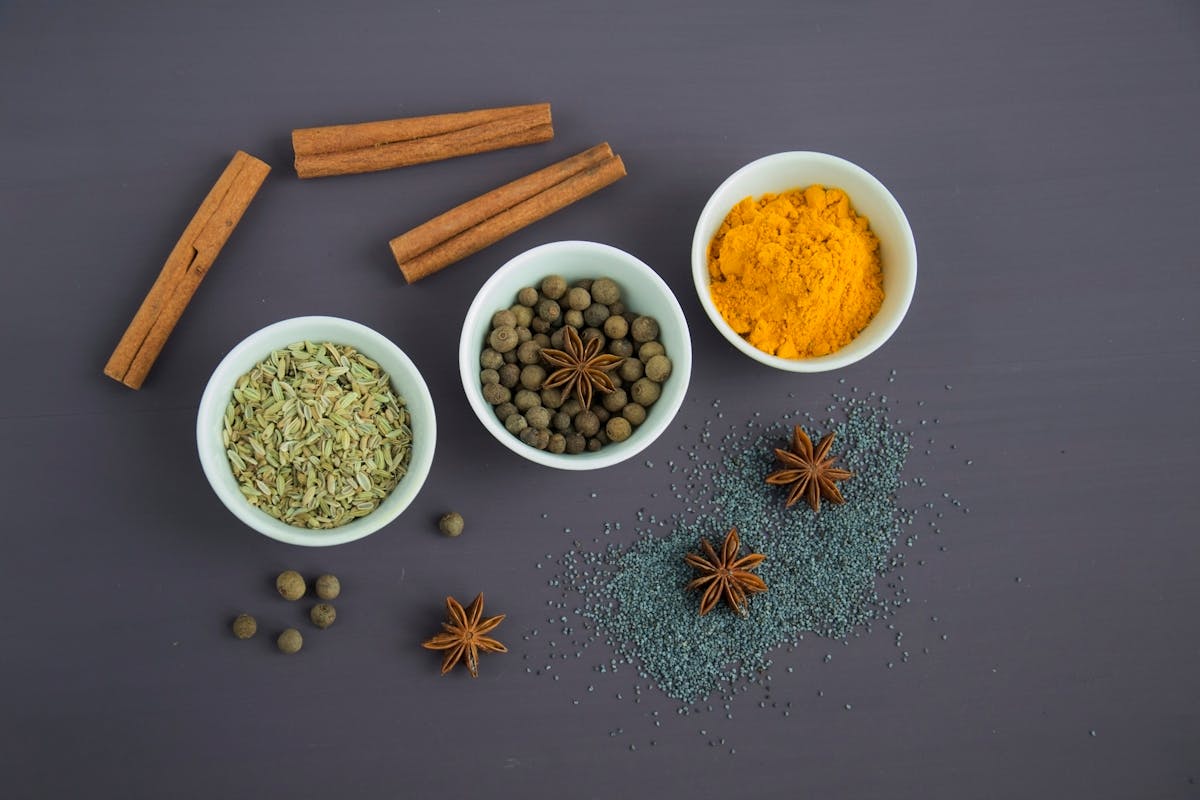 Flat lay of assorted spices including cinnamon, turmeric, and star anise near white ceramic bowls, representing the digestive herbs and spices used in Ayurveda to kindle Agni
Ama: What Happens When Agni Fails
When Jatharagni is too weak to fully process food, the undigested residue ferments in the gastrointestinal tract and produces a substance Ayurveda calls Ama — a sticky, heavy, toxic metabolic byproduct. Ama is not merely "undigested food" in the modern sense; it is a systemic concept encompassing the downstream effects of incomplete digestion on every channel and tissue in the body.
Common signs of Ama accumulation include:
- A white-coated tongue upon waking
- Bad breath and a sweet or salty taste in the mouth
- Fatigue and mental fog, even after adequate sleep
- Joint stiffness and a feeling of heaviness in the limbs
- Low appetite with a sense of fullness after small meals
- Heavy, sticky, or mucoid stools
- Frequent congestion and sinus issues
In Ayurvedic pathology, Ama is considered the precursor to chronic disease. As it accumulates in the srotas (body channels), it blocks nutrient delivery to the tissues and impairs waste elimination — creating a vicious cycle of deepening metabolic dysfunction. This framework echoes modern research on intestinal permeability ("leaky gut"), endotoxaemia, and the role of bacterial lipopolysaccharides (LPS) in systemic inflammation — conditions where impaired gut function generates circulating toxins that drive disease processes far from the digestive tract itself.
Modern Science Meets Ancient Fire
The alignment between the Ayurvedic concept of Agni and contemporary digestive physiology is no longer purely theoretical. A 2026 scoping review published in the International Journal of Community Medicine and Public Health, following PRISMA-ScR guidelines, systematically analysed 24 research studies published between 2010 and 2024 across PubMed, Web of Science, Google Scholar, and Ayurvedic research databases. The review found functional parallels between Jatharagni and digestive enzyme activity, gastric secretions, and enteric regulation.
The most direct correspondence involves gastric pH:
| Agni State | Dosha Influence | Gastric pH Equivalent | Modern Condition |
|---|---|---|---|
| Sama Agni | Balanced | 1.5–2.5 (normal fasting pH) | Healthy digestion |
| Manda Agni | Kapha excess | > 3.5 (hypochlorhydria) | Low stomach acid, malabsorption |
| Tikshna Agni | Pitta excess | < 1.5 (hyperacidity) | GERD, gastritis, peptic ulcer |
| Vishama Agni | Vata excess | Variable/unstable | IBS, functional dyspepsia |
Beyond gastric acid, the review identified parallels between the Bhutagnis and hepatic enzyme systems (Phase I and Phase II detoxification), and between the Dhatvagnis and tissue-specific metabolic enzymes. Research also connects Agni balance to gut microbiome diversity — balanced Agni supports a diverse, healthy microbiome, while impaired Agni corresponds to dysbiosis — and to circadian rhythms of enzyme production, confirming the Ayurvedic observation that digestive fire peaks at midday when the sun is highest.
A validated self-assessment tool for Agnibala (digestive strength), published in the Journal of Ayurveda and Integrative Medicine (PMC5871217), demonstrated that Agni status could be reliably measured and correlated with clinical outcomes — providing a quantitative bridge between traditional assessment and modern diagnostics.
 Gold kettle pouring hot water into a cup of tea, evoking the warm liquids and mindful rituals Ayurveda recommends to support healthy digestive fire
Strengthening Agni: Herbs, Spices, and Daily Practice
Restoring Agni to its balanced state (Sama Agni) is the primary therapeutic objective in most Ayurvedic treatments. The approach combines dietary practices, herbal formulations, and lifestyle modifications:
Dietary Practices
- Eat warm, freshly prepared meals — cold, raw, and leftover foods dampen Agni
- Use digestive spices liberally — ginger, cumin, black pepper, coriander, fennel, and asafoetida all kindle digestive fire
- Drink warm or room-temperature water — avoid cold drinks during and immediately after meals
- Eat only when truly hungry — consuming food before the previous meal has been digested is the single most common cause of Ama formation
- Make lunch the largest meal — Agni peaks between 10 am and 2 pm, mirroring the circadian rhythm of digestive enzyme production
Herbal Formulations
Trikatu ("three pungents") — a blend of ginger (Zingiber officinale), black pepper (Piper nigrum), and long pepper (Piper longum) — is the classical Ayurvedic formula for kindling sluggish Agni. A 2018 clinical trial found that Trikatu supplementation (500 mg twice daily) improved functional dyspepsia in 70% of participants after eight weeks. Modern pharmacological research has also confirmed that Trikatu enhances the bioavailability of co-administered phytochemicals and medications — a property long noted in traditional practice.
Ginger alone has substantial scientific backing. A 2019 systematic review in Food Science & Nutrition confirmed its effects on gastric motility, pancreatic lipase and trypsin activity, and nausea reduction. The U.S. FDA classifies ginger as "Generally Recognized as Safe" (GRAS).
Hingwashtak Churna — a blend of asafoetida, cumin, coriander, ginger, black pepper, long pepper, ajwain, and rock salt — is traditionally prescribed before meals for individuals with Manda Agni. While clinical research on the complete formulation is limited, several of its individual components have well-documented digestive effects.
Lifestyle Practices
- Regular meal timing — eating at consistent times trains the body's digestive rhythm
- Mindful eating — sitting calmly, chewing thoroughly, and eating without screens or distractions
- Gentle movement after meals — a short walk of 10–15 minutes supports peristalsis
- Stress management — chronic stress activates the sympathetic nervous system, diverting blood flow from the digestive organs and suppressing enzyme secretion (a direct cause of Vishama Agni)
- Seasonal adaptation (Rutucharya) — adjusting diet and routine to match seasonal shifts in Agni, which is naturally stronger in winter and weaker during humid months
The Fire That Sustains
Ayurveda's insistence on Agni as the root of health is not a quaint metaphor. It is a sophisticated framework for understanding digestion, metabolism, tissue nourishment, immunity, and even cognitive function as a single, interconnected process — one that modern science is now validating at the molecular level. When Agni burns evenly and completely, food becomes tissue, waste is efficiently eliminated, and the body produces Ojas — the Ayurvedic essence of vitality, immunity, and radiant health. When Agni falters, the body instead produces Ama — a toxic residue that blocks channels, starves tissues, and seeds disease. The prescription, then, is deceptively simple: tend the fire. Eat warm food, at regular times, with attention and gratitude. Use the spices and herbs that have kindled digestion for millennia. Move the body, manage stress, and respect the rhythms of the day and the season. In an age of over-processed diets and chronic digestive dysfunction, this ancient counsel has never been more relevant.
Sources & Further Reading
Research
- Bridging Ayurveda and Biochemistry: A Scoping Review of Agni and Metabolism. (2026). International Journal of Community Medicine and Public Health. View on IJCMPH
- Agni in Ayurveda — A Comprehensive Review of its Role and Interrelations with Physiological Factors. (2025). Journal of Ayurveda and Integrated Medical Sciences. View on JAIMS
- A Review of Ayurvedic Concepts of Agni and Their Correlation with Modern Metabolic Disorders. (2024). African Journal of Biomedical Research, 27(3s). View PDF
- Hankey, A. (2016). Development, Validation, and Verification of a Self-Assessment Tool to Estimate Agnibala (Digestive Strength). Journal of Ayurveda and Integrative Medicine. View on PMC
- Nikam, T. et al. (2018). Ginger in Gastrointestinal Disorders: A Systematic Review of Clinical Trials. Food Science & Nutrition. View on PMC
- Trikatu — A Combination of Three Bioavailability Enhancers. (2018). International Journal of Green Pharmacy. View on ResearchGate
- The Efficacy of Ayurvedic Herbs in the Prevention and Treatment of Inflammatory Bowel Disease: A Scoping Review. (2025). Cureus. View on PMC
Further Reading
- Agni (Ayurveda) — Wikipedia
- Understanding Agni: Concept, Definition, Functions, Types — Easy Ayurveda
- Agni in Ayurveda: Meaning, Types & Role in Digestion — Apollo AyurVAID
- The Amazing and Mighty Ginger — NCBI Bookshelf
Image Credits
- Cover: Bonfire during nighttime — Pexels
- Assorted spices near white ceramic bowls — Pexels
- Gold kettle pouring hot water on cup of tea — Pexels
All images free to use under the Pexels License.