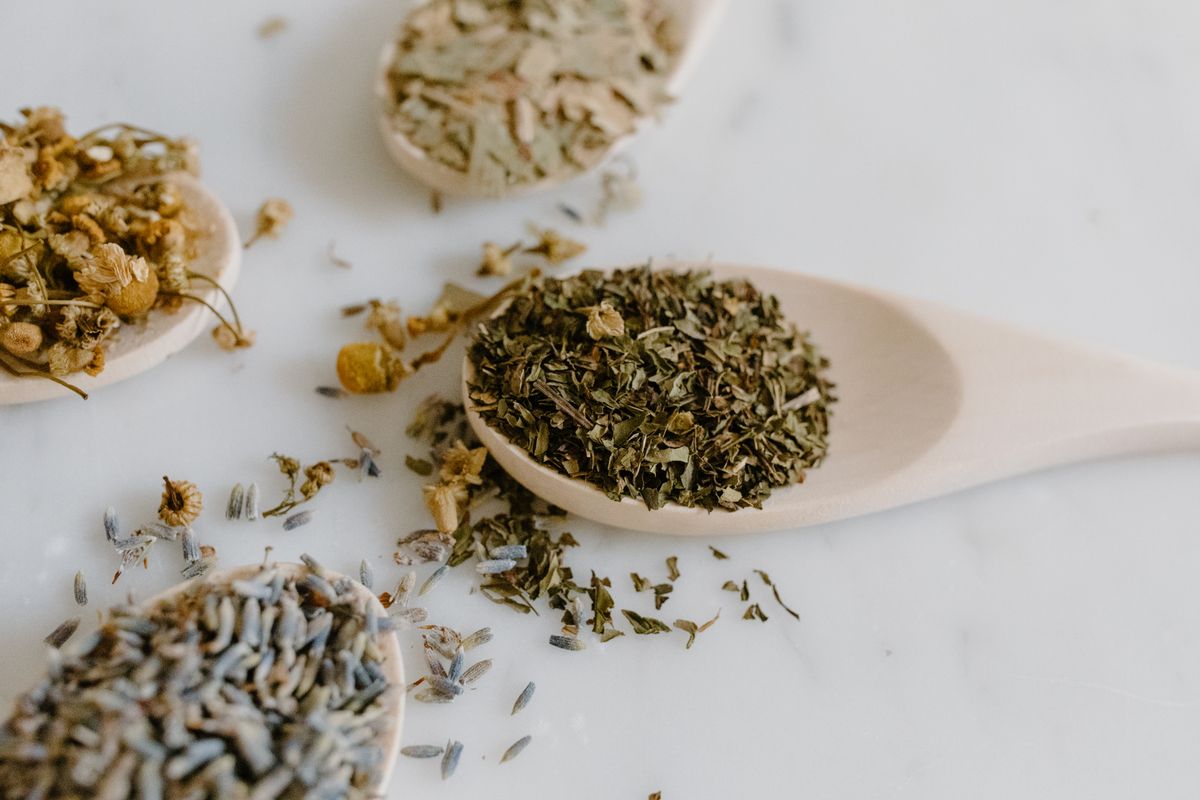
Few herbs in the Ayurvedic pharmacopoeia have attracted as much scientific attention as Ashwagandha (Withania somnifera). Classified as a Rasayana — a rejuvenating remedy — in the Charaka Samhita over 3,000 years ago, Ashwagandha was traditionally prescribed to build resilience against physical and mental stress, enhance cognitive function, and increase overall vitality. Today, it is the most clinically studied adaptogen in the world, with a growing body of peer-reviewed research validating claims that once belonged exclusively to ancient texts.
What Makes Ashwagandha an Adaptogen?
The term adaptogen describes a natural substance that helps the body resist stressors of all kinds — physical, chemical, and biological — without causing significant side effects. Ashwagandha meets every criterion of this definition. Its bioactive compounds, principally a group of steroidal lactones called withanolides (including withaferin A, withanolide A, and withanolide D), modulate several key physiological pathways simultaneously.
At the molecular level, Ashwagandha acts on the hypothalamic-pituitary-adrenal (HPA) axis — the body's central stress response system — helping to regulate cortisol output. It also inhibits NF-κB (a master inflammatory signalling pathway), activates Nrf2 (a cellular antioxidant defence mechanism), and exhibits GABA-mimetic activity, producing calming effects on the nervous system. This multi-pathway action is what distinguishes a true adaptogen from a simple sedative or stimulant: it does not push the body in one direction but helps it find equilibrium.
The name itself — from the Sanskrit ashva (horse) and gandha (smell) — alludes to the traditional belief that the herb imparts the strength and stamina of a horse. In the classical texts, it is classified as both Rasayana (rejuvenator) and Bajikarana (reproductive tonic), reflecting its broad therapeutic scope.
Stress, Cortisol, and Anxiety: What the Clinical Evidence Shows
The strongest body of modern evidence for Ashwagandha concerns its effects on stress and anxiety. Multiple systematic reviews and meta-analyses have now been published, each drawing on randomised controlled trials (RCTs):
- A 2025 meta-analysis in BJPsych Open analysed 15 RCTs with 873 patients and found that Ashwagandha supplementation significantly reduced anxiety compared to placebo, as measured by the Hamilton Anxiety Rating Scale (HAM-A).
- A 2024 meta-analysis in Explore reviewed 9 RCTs with 558 patients and reported significant reductions in the Perceived Stress Scale (MD = −4.72), Hamilton Anxiety Scale (MD = −2.19), and serum cortisol (MD = −2.58) compared to placebo. Dosages ranged from 125–600 mg daily over 30–90 days.
- A 2025 review in the Journal of Psychopharmacology found a statistically significant cortisol reduction of −1.16 µg/dL (P < 0.001) across seven studies — notably, this biological effect was consistent even when subjective perceived stress scores did not always change, suggesting Ashwagandha may lower the physiological burden of stress before a person consciously feels different.
| Outcome | Direction of Effect | Evidence Base |
|---|---|---|
| Serum Cortisol | Significant reduction | Consistent across multiple meta-analyses |
| Anxiety (HAM-A) | Significant reduction | 15 RCTs, 873 patients |
| Perceived Stress (PSS) | Mixed — significant in some reviews, not in others | Further research needed |
| Safety | Generally well tolerated; mild side effects | Long-term data still limited |
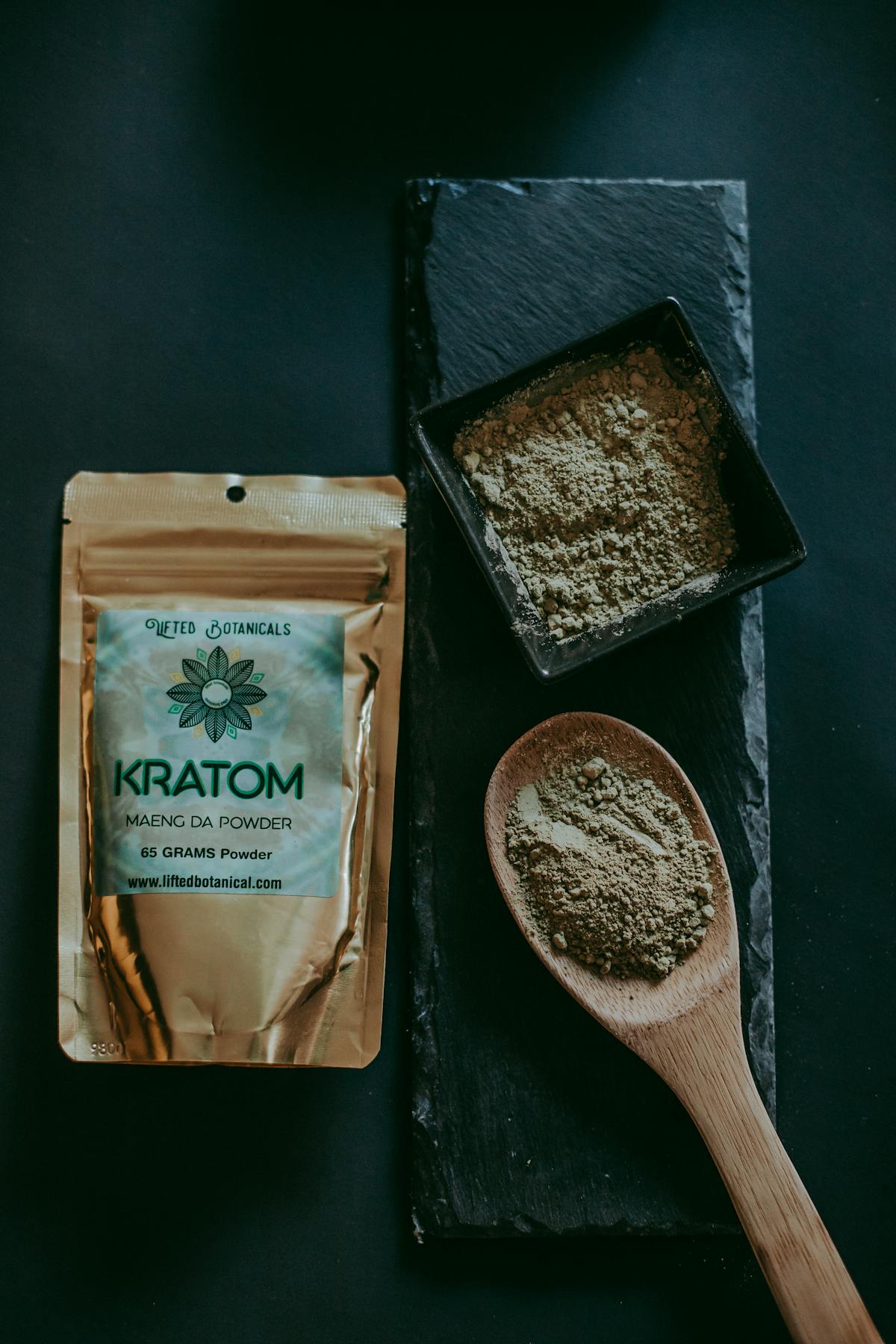 Herbal powder on a wooden spoon and in a ceramic bowl, evoking the traditional preparation of Ayurvedic adaptogenic herbs like Ashwagandha
Sleep, Strength, and Hormonal Balance
Ashwagandha's clinical profile extends well beyond stress reduction. Three areas have attracted particular research attention:
Sleep Quality
A systematic review and meta-analysis published in PLOS ONE analysed five RCTs with 400 participants and found a significant positive effect on sleep quality (SMD −0.59, 95% CI −0.75 to −0.42). The effect was strongest in adults with diagnosed insomnia, at dosages of 600 mg or more per day, and with treatment durations of eight weeks or longer. A separate 2019 double-blind RCT found that 300 mg twice daily significantly improved sleep onset latency, sleep efficiency, and overall Pittsburgh Sleep Quality Index (PSQI) scores over 10 weeks.
Muscle Strength and Athletic Performance
Several RCTs have examined Ashwagandha in the context of exercise and physical performance:
- A 2015 study by Wankhede et al. found significant increases in muscle strength (bench press and leg extension) and muscle size after 8 weeks of 600 mg/day alongside resistance training, with a concurrent reduction in exercise-induced muscle damage and body fat percentage.
- A 2018 study by Ziegenfuss et al. reported improvements in upper and lower body strength, perception of recovery, and reduced muscle soreness over 12 weeks.
- Across multiple trials, VO₂ max — a key measure of cardiovascular fitness — increased by 6–14% over 4–12 weeks of supplementation.
Testosterone and Reproductive Health
Ashwagandha has been associated with approximately 15% increases in serum testosterone in men, an effect thought to be partly mediated by its cortisol-lowering action — since elevated cortisol directly suppresses testosterone production. Clinical trials using 600 mg/day of root extract have also reported improvements in sperm quality parameters, though larger confirmatory studies are needed.
Neuroprotection: Beyond Stress Relief
Some of the most intriguing preclinical research on Ashwagandha involves its neuroprotective properties. Withanolide A has been shown to induce regeneration of axons and dendrites and reconstruction of synapses in cultured cortical neurons — a finding published by Kuboyama, Tohda, and Komatsu that suggests potential relevance to neurodegenerative conditions. A widely cited 2012 study published in PNAS demonstrated that Ashwagandha enhanced beta-amyloid clearance by upregulating lipoprotein receptor-related protein (LRP), a mechanism relevant to Alzheimer's disease research.
Research at the University of Texas Health Science Center has also identified GABA-mimetic activity in Ashwagandha extracts, which may partly explain its anxiolytic and sleep-promoting effects — GABA is the brain's primary inhibitory neurotransmitter, responsible for calming neural activity.
These findings remain largely preclinical and should not be interpreted as treatment claims for neurological diseases. However, they offer a molecular foundation for the traditional Ayurvedic use of Ashwagandha as Medhya Rasayana — a promoter of intellect and mental clarity.
 Tibetan singing bowls with lavender creating a calming atmosphere, representing the holistic wellness traditions that complement Ashwagandha supplementation
Dosage, Safety, and Contraindications
Dosage Guidelines
Most clinical trials have used root extract dosages of 300–600 mg per day, typically divided into two doses taken with meals. Benefits appear after 4 weeks, though most trials run for 8–12 weeks. Root-only extracts have demonstrated a superior safety profile compared to formulations combining roots and leaves.
Safety
Ashwagandha is generally well tolerated for up to three months of use. Common mild side effects include drowsiness, loose stools, and nausea. However, several important safety considerations have emerged:
- Liver toxicity: Rare case reports have linked Ashwagandha supplementation to hepatotoxicity. Investigators have identified a potential mechanism involving withanone, a compound that can form DNA adducts in liver cells when glutathione detoxification pathways are overwhelmed — a mechanism similar to paracetamol toxicity at high doses. Root-only formulations appear to carry lower risk than non-root preparations.
- Thyroid stimulation: Ashwagandha may increase T4 (thyroxine) production, making it potentially problematic for individuals with hyperthyroidism or autoimmune thyroid conditions such as Graves' disease.
- Drug interactions: Due to its effects on cytochrome P450 enzymes, Ashwagandha may interact with certain medications. Concurrent use with paracetamol (acetaminophen) warrants particular caution given overlapping glutathione-dependent detoxification pathways.
Contraindications
- Pregnancy and lactation — some traditional sources note potential abortifacient properties
- Hyperthyroid conditions — Hashimoto's thyroiditis and Graves' disease
- Hormone-sensitive cancers — due to hormonal modulation
- Active liver disease or concurrent hepatotoxic medications
- Nightshade allergy — Ashwagandha belongs to the Solanaceae (nightshade) family
Ancient Wisdom, Modern Validation
The classical Ayurvedic texts described Ashwagandha as a herb that "bestows the strength of a horse upon the consumer and promotes longevity." Three millennia later, randomised controlled trials have documented its effects on cortisol, anxiety, sleep, muscular strength, and cardiovascular fitness — each finding echoing, in the language of modern science, what practitioners have long observed. This convergence between tradition and evidence is neither coincidental nor complete. Ashwagandha is not a miracle cure, and the research, while promising, still requires larger and longer trials to establish long-term safety and optimal protocols. What it offers is something more grounded: a well-studied, multi-pathway botanical that — when used appropriately and under professional guidance — can serve as a meaningful tool in the pursuit of resilience, balance, and sustained vitality.
Sources & Further Reading
Research
- Bachour, M. et al. (2025). Effects of Ashwagandha Supplements on Cortisol, Stress, and Anxiety Levels in Adults: A Systematic Review and Meta-Analysis. BJPsych Open. View on PMC
- Arumugam, M. et al. (2024). Effects of Ashwagandha (Withania Somnifera) on Stress and Anxiety: A Systematic Review and Meta-Analysis. Explore. View on ScienceDirect
- Albalawi, A. (2025). Dual Impact of Ashwagandha: Significant Cortisol Reduction but No Effects on Perceived Stress. Journal of Psychopharmacology. View on SAGE
- Cheah, K. et al. (2021). Effect of Ashwagandha (Withania somnifera) Extract on Sleep: A Systematic Review and Meta-Analysis. PLOS ONE. View on PMC
- Wankhede, S. et al. (2015). Examining the Effect of Withania somnifera Supplementation on Muscle Strength and Recovery: A Randomized Controlled Trial. Journal of the International Society of Sports Nutrition. View on PMC
- Singh, N. et al. (2011). An Overview on Ashwagandha: A Rasayana (Rejuvenator) of Ayurveda. African Journal of Traditional, Complementary and Alternative Medicines. View on PMC
- Sehgal, N. et al. (2012). Withania somnifera Reverses Alzheimer's Disease Pathology by Enhancing Low-Density Lipoprotein Receptor-Related Protein in Liver. PNAS. View on PubMed
Further Reading
- Ashwagandha — Health Professional Fact Sheet — National Institutes of Health
- An Overview on Ashwagandha: A Rasayana (Rejuvenator) of Ayurveda — PMC
- The Benefits of Ashwagandha on Brain Function and Sports Performance — Frontiers in Nutrition
- Ashwagandha: A Review of Clinical Use and Efficacy — Nutritional Medicine Institute
Image Credits
- Cover: Selective focus of herbal medicine on a wooden spoon — Pexels
- Herbal powder on a wooden spoon and in a bowl — Pexels
- Tibetan singing bowls with lavender — Pexels
All images free to use under the Pexels License.