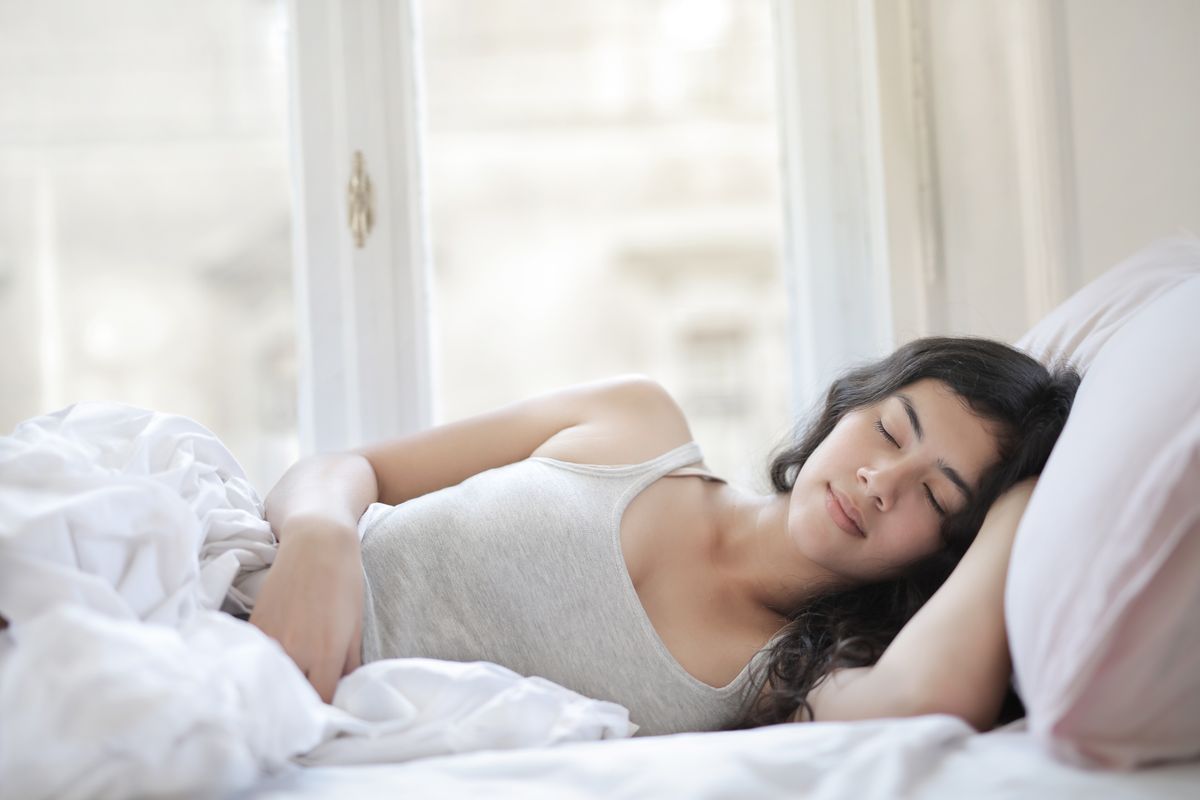
In Ayurveda, sleep is not a luxury or a passive state — it is Nidra, one of the three pillars upon which all health stands. The Charaka Samhita places it alongside food and regulated lifestyle as the foundational supports of life itself, declaring that "happiness, nourishment, strength, wisdom, and longevity all depend upon proper sleep." Yet globally, an estimated 850 million adults suffer from insomnia, and roughly one-third of all adults report chronic sleep difficulties. Modern medicine offers sedatives and sleep hygiene checklists; Ayurveda offers something deeper — a complete framework for understanding why your sleep is disrupted and how to reset it by working with your body's natural rhythms, not against them.
Nidra: The Pillar That Sustains
Ayurveda identifies three supportive pillars of life — the Traya Upastambha: Ahara (food), Nidra (sleep), and Brahmacharya (regulated lifestyle). When any pillar weakens, the others cannot fully compensate. Sleep, in particular, governs the body's capacity for tissue repair, metabolic detoxification, immune consolidation, and mental processing. The classical texts describe six benefits of proper Nidra: sukha (happiness), pushti (nourishment), bala (strength and immunity), vrushata (potency), jnana (wisdom), and jivitam (longevity).
This ancient classification resonates with modern sleep science. Research consistently links adequate sleep to immune function, hormonal balance, cardiovascular health, and cognitive performance — while chronic sleep deprivation is associated with metabolic syndrome, cardiovascular disease, and a two-fold increase in mortality risk. Ayurveda recognised this 3,000 years ago; contemporary medicine is now providing the molecular mechanisms.
The Ayurvedic Clock: Why Timing Is Everything
One of Ayurveda's most distinctive contributions to sleep science is the concept of Dosha Kala — the idea that the three doshas cycle in dominance throughout every 24-hour period. This "Ayurvedic clock" divides the day and night into six four-hour windows:
| Time | Dominant Dosha | Qualities | Sleep Relevance |
|---|---|---|---|
| 6:00–10:00 AM | Kapha | Heavy, stable, slow | Natural waking difficulty; favour activity |
| 10:00 AM–2:00 PM | Pitta | Sharp, hot, focused | Peak metabolism and cognitive performance |
| 2:00–6:00 PM | Vata | Light, mobile, creative | Afternoon restlessness; avoid stimulants |
| 6:00–10:00 PM | Kapha | Heavy, calm, drowsy | Best window for falling asleep |
| 10:00 PM–2:00 AM | Pitta | Active, metabolic | Internal detox and repair; should be asleep |
| 2:00–6:00 AM | Vata | Light, subtle, mobile | Dreams increase; natural pre-dawn awakening |
The critical insight is this: falling asleep during the Kapha window (before 10 PM) leverages the body's natural heaviness and drowsiness. Staying awake past 10 PM activates Pitta energy — the familiar "second wind" that makes falling asleep much harder. Ayurveda recommends waking during Brahma Muhurta, approximately 96 minutes before sunrise, when the Vata period's natural lightness supports clear-minded awakening.
Modern chronobiology has validated this framework in striking detail. The 2017 Nobel Prize in Physiology or Medicine was awarded for research on molecular circadian clock mechanisms — the same rhythms Ayurveda has been mapping to doshas for millennia. Studies confirm that deep non-REM sleep predominates in the earlier night hours, while lighter REM sleep increases toward dawn, precisely mirroring the Kapha-to-Vata transition.
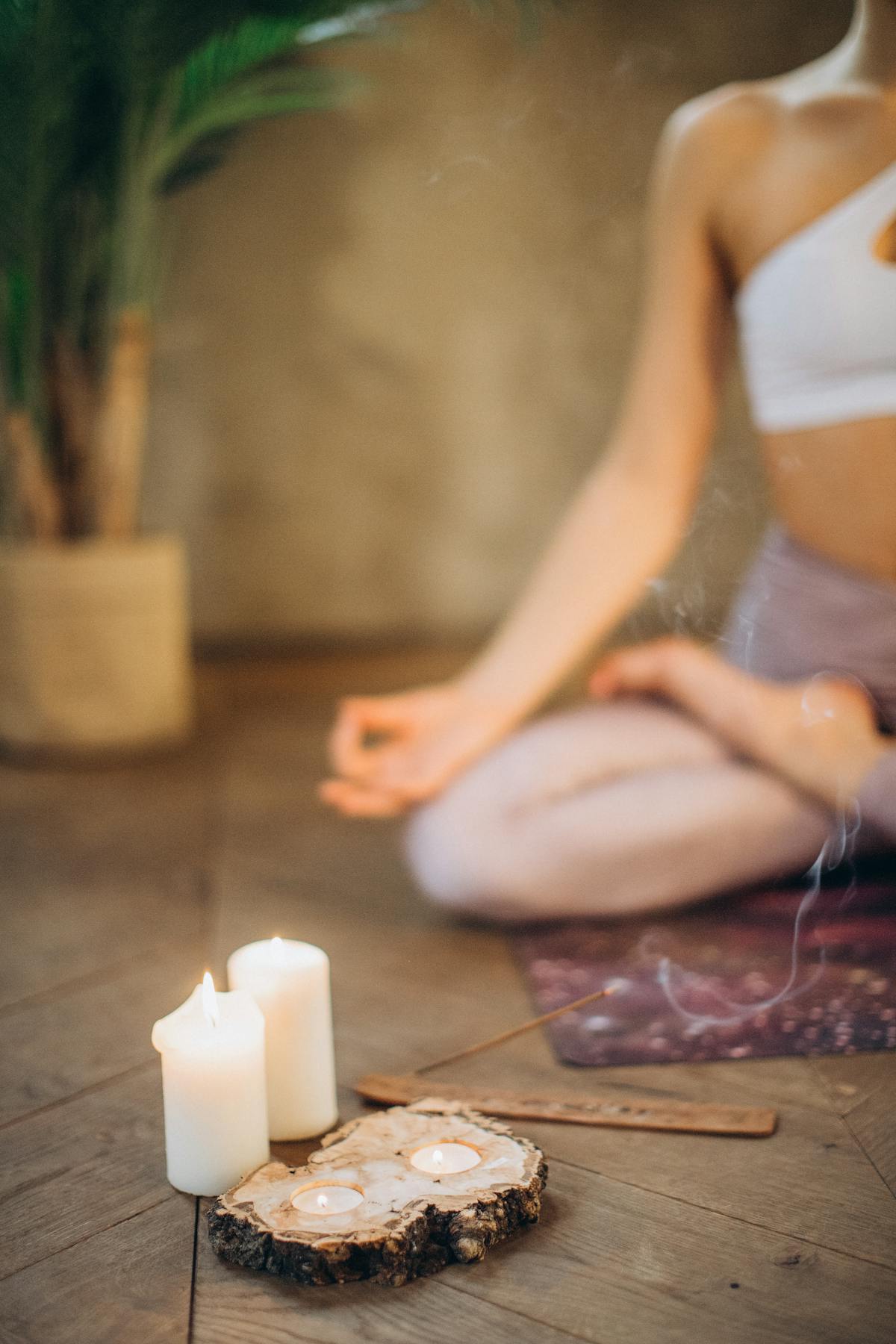 Woman meditating in lotus position beside candles and incense in a calm indoor setting, representing the Ayurvedic evening rituals recommended before sleep
How the Doshas Disrupt Sleep
When the doshas fall out of balance, each produces a characteristic pattern of sleep disturbance:
Vata imbalance (the most common sleep disruptor) creates light, fragmented sleep — difficulty falling asleep, waking at 2–4 AM, racing thoughts, anxiety, and a sense of restlessness in the body. Vata governs the nervous system, and when aggravated by stress, irregular routines, excessive travel, or overstimulation, it strips away the stability needed for deep rest. This pattern closely mirrors what modern sleep medicine classifies as psychophysiological insomnia.
Pitta imbalance produces difficulty falling asleep due to mental intensity and overheating, waking between midnight and 2 AM (the Pitta peak), vivid or disturbing dreams, and irritability upon waking. Pitta-type insomnia often correlates with overwork, unresolved frustration, alcohol consumption, or eating late at night.
Kapha imbalance manifests as excessive sleep, difficulty waking, heavy limbs upon rising, and daytime lethargy despite long hours in bed. While Kapha types rarely have trouble falling asleep, their sleep can become non-restorative when Ama (metabolic toxins) accumulates, blocking the channels of nourishment.
Understanding your dominant imbalance is the starting point for an effective Ayurvedic sleep reset — because the remedy for Vata insomnia is very different from the remedy for Pitta insomnia.
Herbs That Reset Sleep: What the Research Shows
Ayurveda has relied on specific herbs to restore Nidra for millennia. Modern clinical research is now validating several of these traditional remedies:
Ashwagandha (Withania somnifera)
The most clinically studied Ayurvedic sleep herb. A meta-analysis of five RCTs (400 participants) published in PLOS ONE found a significant positive effect on overall sleep quality (SMD −0.59, 95% CI −0.75 to −0.42). Benefits were most pronounced in adults with diagnosed insomnia, at dosages of 600 mg or more per day, and with treatment durations of eight weeks or longer. Ashwagandha works through multiple mechanisms: cortisol reduction, GABA-mimetic activity, and HPA axis modulation. Unlike sedatives, it does not cause morning grogginess or dependence.
Jatamansi (Nardostachys jatamansi)
Known as "Indian Spikenard," Jatamansi is one of Ayurveda's most revered sleep herbs. Its sesquiterpene compounds (particularly jatamansone) modulate GABA receptors, easing neuronal excitability. Clinical trials have shown 40–55% reductions in Hamilton Anxiety Rating Scale scores after six weeks of standardised extract (50–100 mg three times daily). A comparative analysis in Phytomedicine found Jatamansi root extract as effective as low-dose diazepam for mild insomnia — without rebound insomnia on withdrawal.
Brahmi (Bacopa monnieri) and Tagara (Valeriana wallichii)
Brahmi enhances deeper non-REM sleep stages and reduces the anxiety that prevents sleep onset. Tagara (Indian Valerian) acts similarly to its European counterpart, promoting relaxation and reducing sleep latency. A 2022 double-blind RCT found that a combined herbal formulation containing Jatamansi, Brahmi, Ashwagandha, and Tagara produced a 35% increase in sleep efficiency after six weeks, outperforming single-herb supplementation.
| Herb | Primary Mechanism | Evidence Level | Traditional Use |
|---|---|---|---|
| Ashwagandha | Cortisol reduction, GABA-mimetic | Meta-analysis (5 RCTs, 400 participants) | Rasayana (rejuvenator), Vata pacifier |
| Jatamansi | GABA receptor modulation | Clinical trials (40–55% anxiety reduction) | Medhya (brain tonic), sleep promoter |
| Brahmi | Non-REM sleep enhancement | Clinical trials | Medhya Rasayana, anxiolytic |
| Tagara | Sedative, GABA modulation | Comparative studies | Vata-Kapha pacifier, sleep aid |
The Ayurvedic Sleep Reset: A Complete Bedtime Protocol
Resetting a disrupted sleep cycle requires more than a single herb or technique. Ayurveda prescribes a complete evening protocol that works with the Dosha Kala to restore natural rhythm:
Evening Routine (6:00–9:30 PM)
- Finish dinner by 7 PM — eat warm, light, easy-to-digest foods. Heavy, cold, or raw foods at night dampen Agni and promote Ama formation, which impairs sleep quality
- Reduce screens after 8 PM — modern research confirms that artificial light after sunset suppresses melatonin production by up to 50% and delays circadian phase by 30–90 minutes
- Practice gentle movement — a short walk after dinner supports digestion; avoid vigorous exercise within 3 hours of bedtime
Pre-Sleep Rituals (9:30–10:00 PM)
- Abhyanga — apply warm sesame oil (for Vata) or Brahmi-infused oil to the scalp and soles of the feet. Padabhyanga (foot massage) specifically calms the nervous system and grounds Vata energy
- Warm spiced milk — heat milk with a pinch of nutmeg (Myristica fragrans), cardamom, and turmeric. Nutmeg has documented mild sedative properties; turmeric reduces systemic inflammation. Drink this 30 minutes before bed
- Bhramari Pranayama — the "humming bee breath" involves exhaling with a humming sound while gently closing the ears. Five to ten rounds activates the parasympathetic nervous system and produces a measurable calming effect on the mind
Sleep Environment
- Keep the bedroom cool, dark, and quiet — conditions that support melatonin production
- Aim to be in bed by 10 PM — catching the tail end of the Kapha window
- Maintain consistent sleep and wake times — even on weekends. Circadian rhythm depends on regularity more than any other single factor
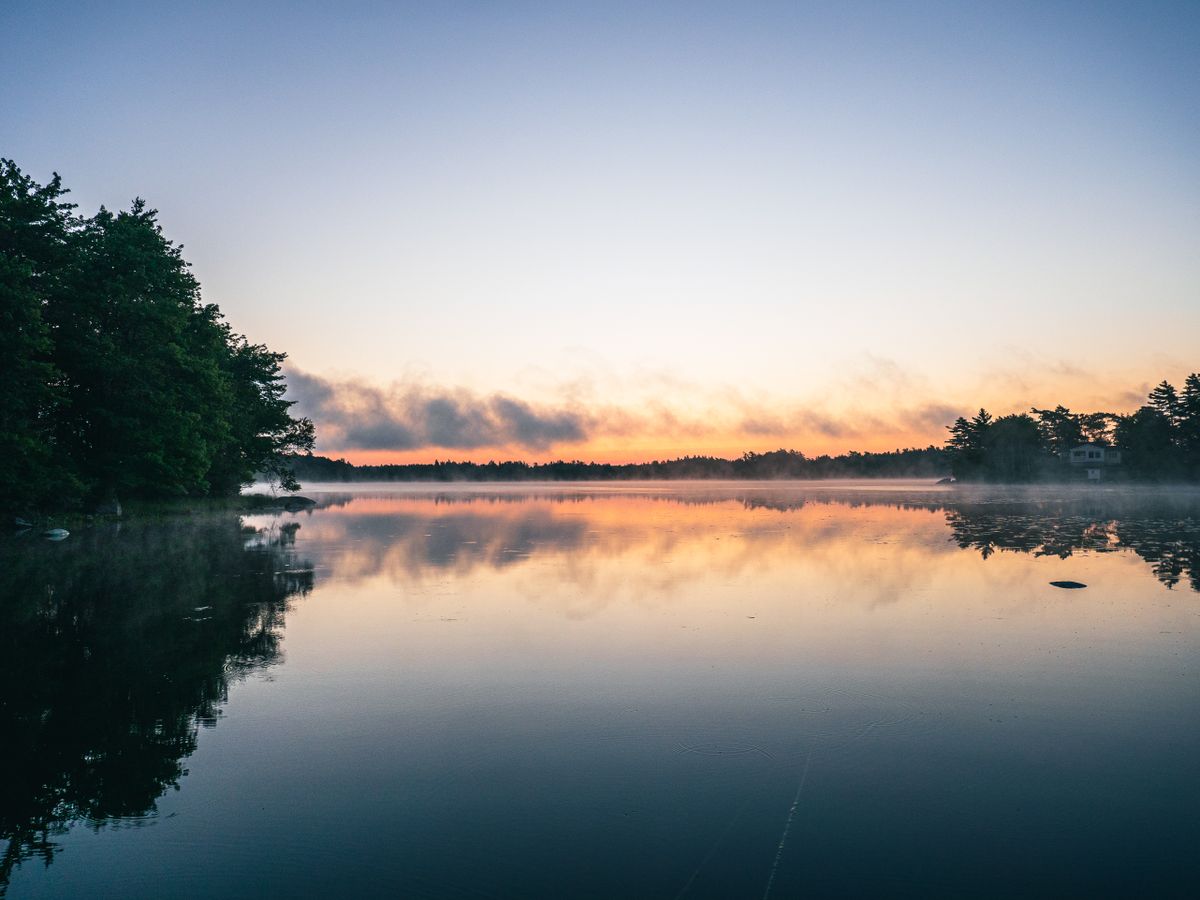 Serene morning lake landscape at sunrise with golden light reflecting on calm water, symbolising the Ayurvedic practice of waking during Brahma Muhurta
Morning Practices That Protect Tonight's Sleep
Ayurveda's Dinacharya (daily routine) recognises that good sleep begins the moment you wake up. Several morning practices directly influence sleep quality that night:
- Wake during Brahma Muhurta (approximately 4:30–5:30 AM, depending on season) — this reinforces the circadian signal for sleep onset 14–16 hours later
- Morning sunlight exposure — spend 15–30 minutes in natural daylight within the first hour of waking. Exposure to 1,000–10,000 lux of light anchors the suprachiasmatic nucleus (SCN) and sets the circadian clock. This is one of the most powerful sleep interventions modern science has identified
- Regular meal timing — eating at consistent times synchronises peripheral circadian clocks in the gut, liver, and other organs
- Physical activity before midday — exercise increases adenosine, the "sleep pressure" molecule, but its stimulatory effects need sufficient time to dissipate before bed
When Ancient Rhythm Meets Modern Life
The global insomnia epidemic is not primarily a disease of the body — it is a disease of rhythm. Screens after sunset, irregular meals, late-night stimulation, chronic stress, and disconnection from natural light cycles have disrupted the very patterns that Ayurveda codified millennia ago. The Ayurvedic sleep framework is not a rejection of modern medicine; it is a complementary system that addresses the root causes of sleep disruption — dosha imbalance, circadian misalignment, and nervous system dysregulation — rather than simply sedating the symptoms.
The prescription is deceptively simple: honour the Kapha window, tend to Vata with warmth and regularity, quiet Pitta with cooling practices and forgiveness, eat early, rise early, and let the rhythms of light and darkness govern the rhythms of waking and sleep. In an era where pharmaceutical sleep aids generate a $27 billion global market, the oldest sleep advice in the world — align your life with nature's clock — remains the most profound.
Sources & Further Reading
Research
- Cheah, K. et al. (2021). Effect of Ashwagandha (Withania somnifera) Extract on Sleep: A Systematic Review and Meta-Analysis. PLOS ONE. View on PMC
- Bachour, M. et al. (2025). Effects of Ashwagandha Supplements on Cortisol, Stress, and Anxiety Levels in Adults: A Systematic Review and Meta-Analysis. BJPsych Open. View on PMC
- Langade, D. et al. (2019). Efficacy and Safety of Ashwagandha Root Extract in Insomnia and Anxiety: A Double-Blind, Randomized, Placebo-Controlled Study. Cureus. View on PMC
- Straten, A. et al. (2025). The Prevalence of Insomnia Disorder in the General Population: A Meta-Analysis. Journal of Sleep Research. View on Wiley
- Estimation of the Global Prevalence and Burden of Insomnia: A Systematic Literature Review-Based Analysis. (2025). Sleep Medicine Reviews. View on ScienceDirect
- Rajput, M. & Shukla, A. (2021). Ayurvedic Perspective of Circadian Rhythm. International Journal of Research in Pharmaceutical Sciences. View on ResearchGate
Further Reading
- Sleep, Simply Explained: An Ayurvedic Guide — Oneworld Ayurveda
- Circadian Rhythm and Ayurveda Understanding — Easy Ayurveda
- Ayurvedic Wisdom for Night Owls: How to Reset Your Sleep Clock — Kripalu
- Healthy Nidra: A Pillar of Health in Ayurveda — Ayurvedic Science
Image Credits
- Cover: Woman in white tank top sleeping on bed — Pexels
- Candles and incense for meditation — Pexels
- Serene morning lake landscape at sunrise — Pexels
All images free to use under the Pexels License.