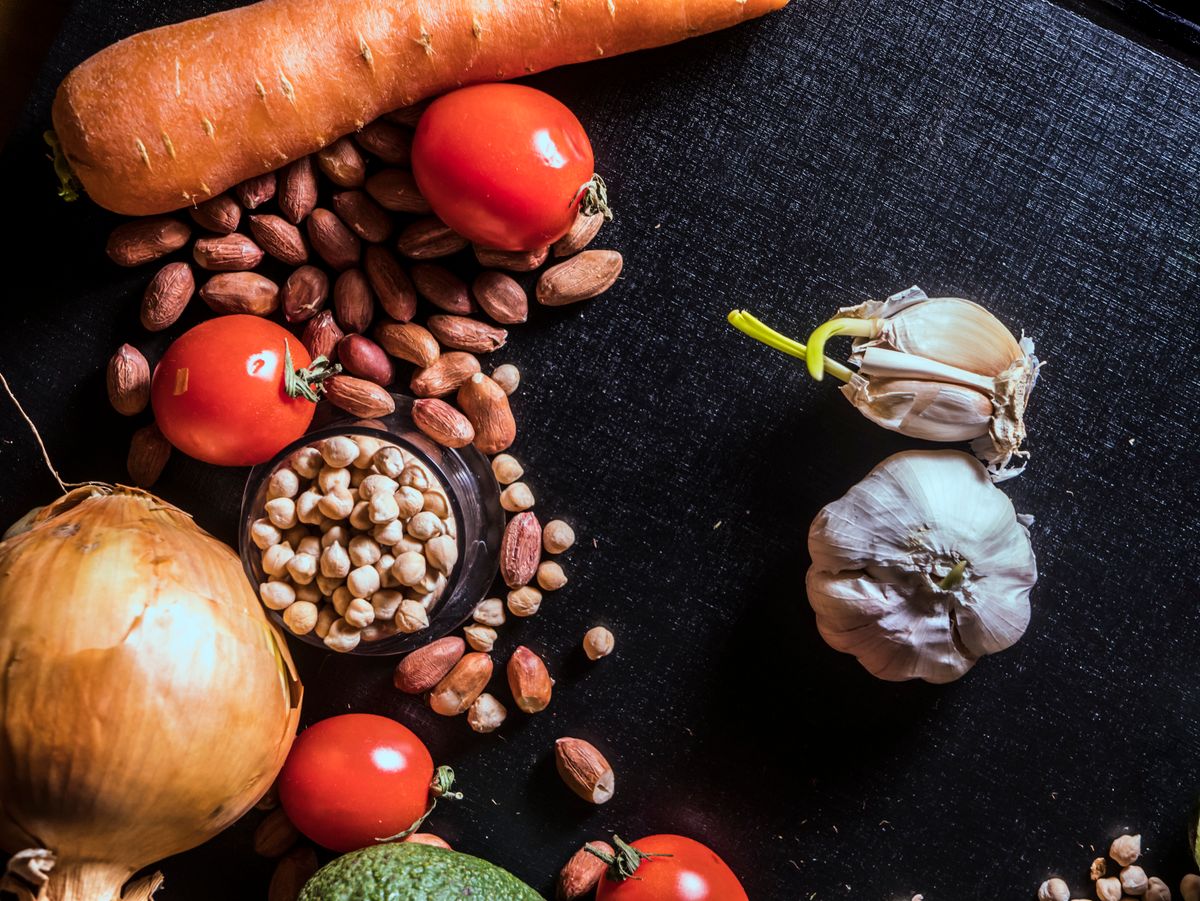
In a world saturated with calorie counters, macro trackers, and crash diets that promise rapid results, Ayurveda offers something radically different — a system of weight management that has been refined over five thousand years and treats the body not as a machine to be restricted, but as a living ecosystem to be balanced. Where modern dieting asks "how much should I eat?", Ayurveda asks "who am I, and what does my body truly need?"
Why Doshas Matter More Than Calories
At the heart of Ayurvedic weight management lies the understanding that no single diet works for every body. Your Prakriti — your unique constitutional type — determines how you metabolise food, store energy, and respond to stress. The three doshas each carry distinct tendencies when it comes to weight.
| Dosha | Metabolic Tendency | Weight Pattern | Ideal Dietary Approach |
|---|---|---|---|
| Vata | Fast, irregular metabolism | Fluctuating weight, difficulty gaining or maintaining | Warm, grounding, nourishing foods with regular meal times |
| Pitta | Strong, efficient metabolism | Moderate build, gains when stressed or frustrated | Cooling, anti-inflammatory foods with moderate portions |
| Kapha | Slow, steady metabolism | Gains weight easily, difficult to lose | Light, warming, stimulating foods with smaller meals |
A Kapha-dominant person who follows a raw food cleanse designed for a Vata constitution will likely feel heavier and more sluggish — the opposite of the intended result. This is why Ayurveda insists on personalisation: the right food for you depends on your constitution, your current state of balance (Vikriti), the season, and even the time of day.
A retrospective study examining 200 obese adults who followed Ayurvedic constitution-based diets for three months found distinct weight loss patterns across dosha types — confirming what practitioners have observed for millennia: personalised dietary approaches produce more sustainable results than generic protocols.
Agni: The Metabolic Fire That Governs Weight
If doshas are the map, Agni is the engine. In Ayurvedic medicine, Agni — the digestive fire — is considered the single most important factor in maintaining healthy weight. The Charaka Samhita states: "From the normalcy of Agni, longevity, complexion, strength, health, enthusiasm, plumpness, lustre, immunity, energy, and vital breath are all dependent."
When Agni is strong (Sama Agni), food is fully digested, nutrients are absorbed efficiently, and waste is eliminated cleanly. When Agni is weak or irregular, incompletely digested food produces Ama — a sticky, toxic residue that Ayurveda considers the root cause of most disease, including obesity.
Signs of weakened Agni and Ama accumulation include:
- A coated tongue upon waking
- Persistent bloating or heaviness after meals
- Sluggish bowel movements
- Brain fog and fatigue
- Weight that resists change despite dietary effort
Strengthening Agni is therefore the first priority in any Ayurvedic weight management protocol — not reducing food intake, but ensuring that what you eat is properly transformed.
 Colourful flat-lay of a fresh vegetable salad on a plate, representing balanced Ayurvedic nutrition
The Six Tastes: Ayurveda's Framework for Satiety
Rather than counting macronutrients, Ayurveda organises food through Shad Rasa — the six tastes. Each taste has a specific effect on the doshas and on metabolism, and including all six in every meal is one of Ayurveda's most elegant strategies for preventing overeating.
| Taste (Rasa) | Sanskrit | Examples | Effect on Weight |
|---|---|---|---|
| Sweet | Madhura | Grains, dairy, root vegetables | Nourishing but increases Kapha when excessive |
| Sour | Amla | Citrus, fermented foods, yoghurt | Stimulates digestion; excess increases Pitta |
| Salty | Lavana | Sea salt, seaweed, celery | Supports mineral balance; excess causes water retention |
| Pungent | Katu | Ginger, black pepper, chilli | Stimulates Agni and reduces Kapha — key for weight loss |
| Bitter | Tikta | Leafy greens, turmeric, fenugreek | Detoxifying, reduces Ama and excess fat tissue |
| Astringent | Kashaya | Legumes, green tea, pomegranate | Toning, drying — counteracts Kapha's heaviness |
For weight management, Ayurveda emphasises the pungent, bitter, and astringent tastes — the very ones most absent from modern Western diets. These tastes stimulate metabolism, reduce water retention, and counteract the heavy, sweet, and salty profiles that contribute to Kapha-driven weight gain.
Herbs That Support Metabolic Balance
Ayurvedic herbal medicine offers targeted support for weight management, and modern research is increasingly validating these ancient formulations.
Triphala — a blend of three fruits (Amalaki, Haritaki, and Bibhitaki) — is the most widely studied Ayurvedic formulation for weight management. A 2025 systematic review and meta-analysis examining 15 clinical studies with 800 participants found that oral Triphala administration produced statistically significant reductions in body weight, BMI, and waist circumference. An earlier systematic review of 12 studies involving 749 patients confirmed these findings, with five randomised controlled trials demonstrating significant decreases across all anthropometric measures.
Guggulu (Commiphora mukul) has been prescribed in Ayurveda for centuries to address Medoroga (disorders of fat tissue). Its active compound, guggulsterone, acts as an antagonist at the farnesoid X receptor (FXR) — a nuclear hormone receptor involved in cholesterol and bile acid metabolism. Clinical trials using 500–2,000 mg of standardised guggul extract have demonstrated significant reductions in total cholesterol and body measurements, though results for LDL and triglycerides have been more variable.
Trikatu — a warming blend of ginger (Zingiber officinale), black pepper (Piper nigrum), and long pepper (Piper longum) — is Ayurveda's premier Agni-stimulating formula. It enhances the bioavailability of other herbs and directly stimulates digestive secretions.
 Woman meditating peacefully indoors, practising mindfulness and inner balance
Mindful Eating and Daily Rhythm
Ayurveda teaches that how you eat matters as much as what you eat. The tradition prescribes a set of eating practices that modern mindfulness research has only recently begun to validate:
- Eat your largest meal at midday, when Pitta — and therefore Agni — is at its peak. A 2020 study published in The Journal of Clinical Endocrinology & Metabolism confirmed that diet-induced thermogenesis is 2.5 times higher in the morning than in the evening, supporting Ayurveda's emphasis on front-loading calories.
- Eat in a calm, seated position without screens or distractions.
- Chew thoroughly — Ayurveda recommends chewing each bite until it becomes liquid.
- Stop at three-quarters full — leave space for Agni to work. Overfilling the stomach smothers the digestive fire.
- Avoid cold water with meals — cold liquids dampen Agni. Warm water or ginger tea supports digestion.
The daily routine (Dinacharya) also plays a critical role. Ayurveda recommends waking before 6 a.m. (before the heavy Kapha period), exercising in the morning to stimulate circulation, and sleeping by 10 p.m. to align with the body's natural cortisol and melatonin rhythms.
Movement as Medicine: Exercise by Constitution
Unlike modern fitness culture, which often promotes intense exercise as the primary tool for weight loss, Ayurveda prescribes Vyayama (exercise) according to your constitutional capacity. The classical rule is to exercise to half your capacity — until a light sweat appears on the forehead, under the arms, and along the spine.
- Kapha types benefit most from vigorous, stimulating exercise — brisk walking, cycling, swimming, or dynamic yoga sequences like Surya Namaskar (Sun Salutation). A daily 45–60 minute session is ideal.
- Pitta types thrive with moderate, cooling exercise — swimming, hiking, or calming yoga practices. Overexertion aggravates Pitta and can lead to inflammation.
- Vata types need gentle, grounding movement — walking, restorative yoga, tai chi. Excessive cardio can deplete Vata's already limited reserves.
A pilot feasibility study published in Global Advances in Health and Medicine tested a combined Ayurvedic diet, lifestyle modification, and yoga therapy programme over three months. Participants reported high satisfaction and adherence, with the integrated approach proving more sustainable than diet-only interventions.
 Woman stretching her body during a yoga session, demonstrating mindful movement
Building Your Ayurvedic Weight Management Plan
The beauty of the Ayurvedic approach is that it does not demand perfection — it asks for consistency and self-awareness. A practical starting framework includes:
- Identify your Prakriti — consult an Ayurvedic practitioner or take a validated dosha assessment to understand your constitutional type
- Strengthen Agni — begin each day with warm water and fresh ginger; avoid snacking between meals to allow complete digestion
- Favour the three light tastes — increase pungent, bitter, and astringent foods while reducing excess sweet, sour, and salty
- Move daily — choose exercise appropriate to your dosha and practise consistently rather than intensely
- Eat mindfully — make lunch your main meal, eat without distractions, and stop before you feel full
- Support with herbs — consider Triphala before bed for digestive support and Trikatu before meals to stimulate Agni, under the guidance of a qualified practitioner
Ayurveda reminds us that the body does not gain weight because it has too much food — it gains weight because it has lost its balance. Restoring that balance through personalised nutrition, conscious movement, strong digestion, and herbal wisdom creates the conditions in which a healthy weight is not a goal to be chased, but a natural state to be reclaimed.
Sources & Further Reading
Research
- Phimarn, W. et al. (2021). Effects of Triphala on Lipid and Glucose Profiles and Anthropometric Parameters: A Systematic Review. Journal of Evidence-Based Integrative Medicine, 26. View on PubMed
- Shi, X. et al. (2025). The Anti-Obesity Effects of Triphala and Triphala Guggul: A Systematic Review and Meta-Analysis of Clinical Trials. Journal of Medicinal and Natural Products. View on SciLitPub
- Giri, S. K. et al. (2025). Clinical Safety and Efficacy of Ayurveda Multi-Herbal Formulation in the Management of Obesity. Journal of Evidence-Based Integrative Medicine. View on PMC
- Elder, C. et al. (2014). A Pilot Feasibility Study of Whole-systems Ayurvedic Medicine and Yoga Therapy for Weight Loss. Global Advances in Health and Medicine, 3(1). View on PMC
- Urizar, N. L. et al. (2005). The hypolipidemic natural product guggulsterone is a promiscuous steroid receptor ligand. Molecular Endocrinology, 19(6). View on PubMed
- Rizzo, M. et al. (2009). Resin from the mukul myrrh tree, guggul, can it be used for treating hypercholesterolemia? Complementary Therapies in Medicine. View on PubMed
Further Reading
- Ayurvedic Weight Management for All 3 Dosha Types — Ayurveda For All
- Ayurvedic Medicine for Weight Loss: Remedies, Tips, and More — Healthline
- Eight Ayurveda Tips for Weight Loss — Kripalu
- Ayurvedic Approach to Losing Weight — Banyan Botanicals
Image Credits
- Cover: Variety of spices and vegetables on black surface — Pexels
- Flat-lay photography of vegetable salad on plate — Pexels
- A woman meditating — Pexels
- Photo of woman stretching her body — Pexels
All images free to use under the Pexels License.