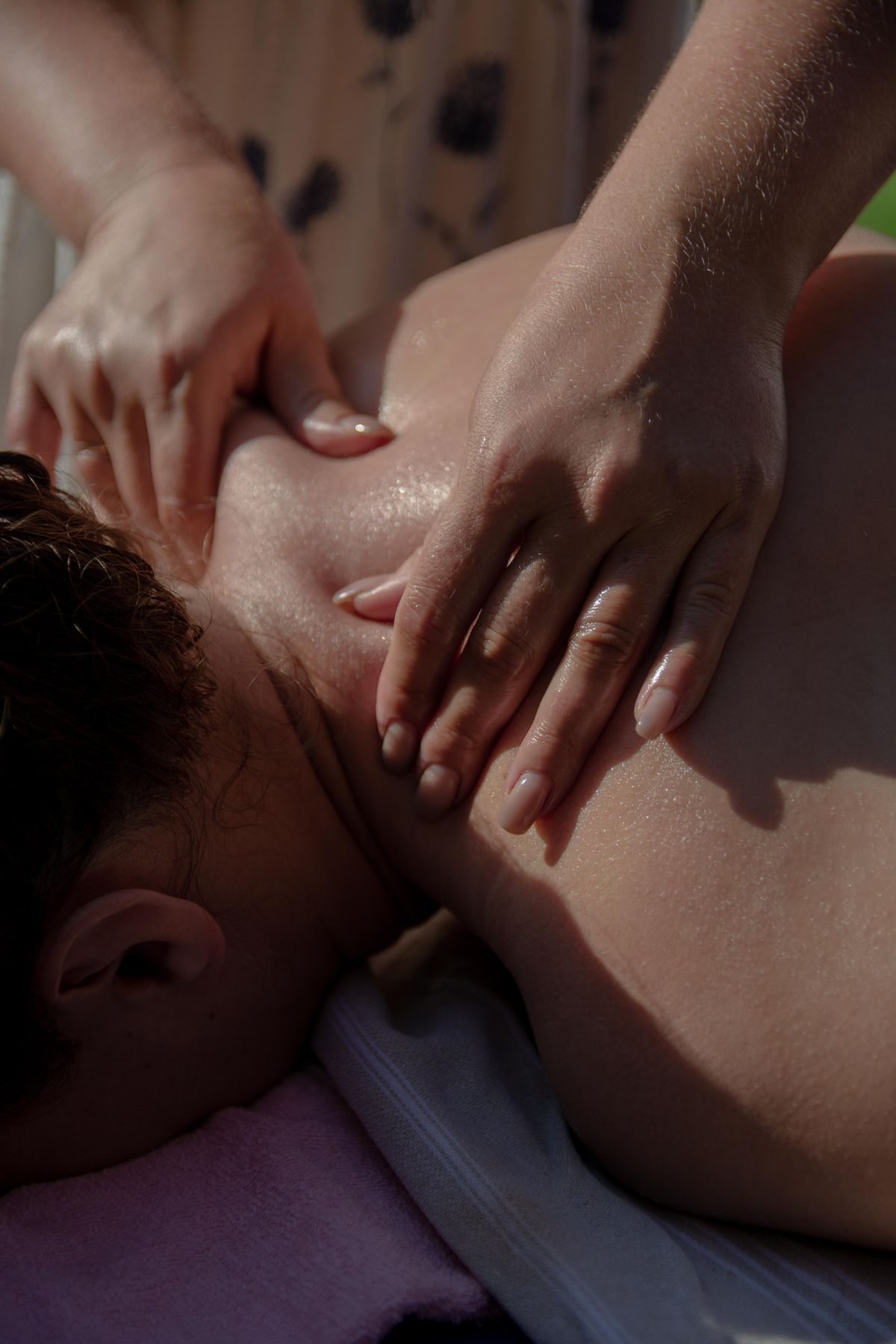
Your lymphatic system is one of the most quietly vital networks in your body — a vast web of vessels, nodes, and fluid that defends against infection, removes metabolic waste, and maintains fluid balance in every tissue. Yet unlike the cardiovascular system, it has no central pump. It relies on movement, muscle contraction, and — as both modern science and Ayurvedic medicine have long understood — the healing power of skilled touch. Manual lymphatic drainage (MLD) is the therapeutic practice designed to support this essential system, and its benefits reach far beyond simple relaxation.
What Is the Lymphatic System?
Before exploring the benefits of MLD, it helps to understand what the lymphatic system actually does. This network of over 600 lymph nodes and an extensive web of vessels transports lymph — a clear fluid containing white blood cells, proteins, and metabolic waste — throughout the body. The lymphatic system performs three critical functions: immune surveillance (filtering pathogens and abnormal cells), fluid homeostasis (preventing tissue swelling by draining excess interstitial fluid), and fat absorption (transporting dietary lipids from the intestines).
In Ayurveda, this system is known as Rasa Dhatu and its channels as Rasavaha Srotas. Rasa Dhatu is the first of seven bodily tissues and is considered the foundation that nourishes all others. When these channels become congested — blocked by what Ayurveda calls Ama (metabolic toxins) — the entire body suffers: immunity weakens, tissues swell, skin dulls, and fatigue sets in.
| Feature | Lymphatic System (Modern) | Rasa Dhatu / Rasavaha Srotas (Ayurveda) |
|---|---|---|
| Components | Lymph fluid, lymph nodes, vessels, spleen, thymus | Plasma, lymph, white blood cells |
| Primary function | Immune defence, fluid balance, waste removal | Nourishment of all tissues, immunity, detoxification |
| What causes blockage | Sedentary lifestyle, surgery, infection, injury | Ama accumulation, poor digestion, emotional stagnation |
| How to restore flow | Manual lymphatic drainage, exercise, compression | Abhyanga, Garshana, Panchakarma, herbal support |
1. Reduces Edema and Swelling
The most clinically established benefit of MLD is its ability to reduce edema — the accumulation of excess fluid in tissues. MLD works by stimulating the rhythmic contractions of lymphangions (the pumping units of lymphatic vessels) and redirecting lymph from congested areas toward functional drainage pathways.
A 2024 systematic review and meta-analysis of randomised controlled trials examining MLD after total knee replacement found that it produced measurable reductions in early post-operative edema and pain levels. Similarly, a 2025 randomised clinical trial demonstrated significant reduction in edema, pain, and trismus following mandibular third molar surgery when MLD was applied post-operatively.
2. Strengthens Immune Function
The lymphatic system is the backbone of adaptive immunity. Lymph nodes act as filtration stations where lymphocytes — T cells, B cells, and natural killer cells — identify and neutralise pathogens, damaged cells, and foreign particles. When lymph flow stagnates, this immune surveillance slows.
By keeping lymph moving efficiently, MLD supports the body's capacity to detect and respond to threats. In Ayurvedic terms, healthy Rasa Dhatu flow maintains Ojas — the subtle essence of immunity and vitality that Ayurveda considers the foundation of robust health.
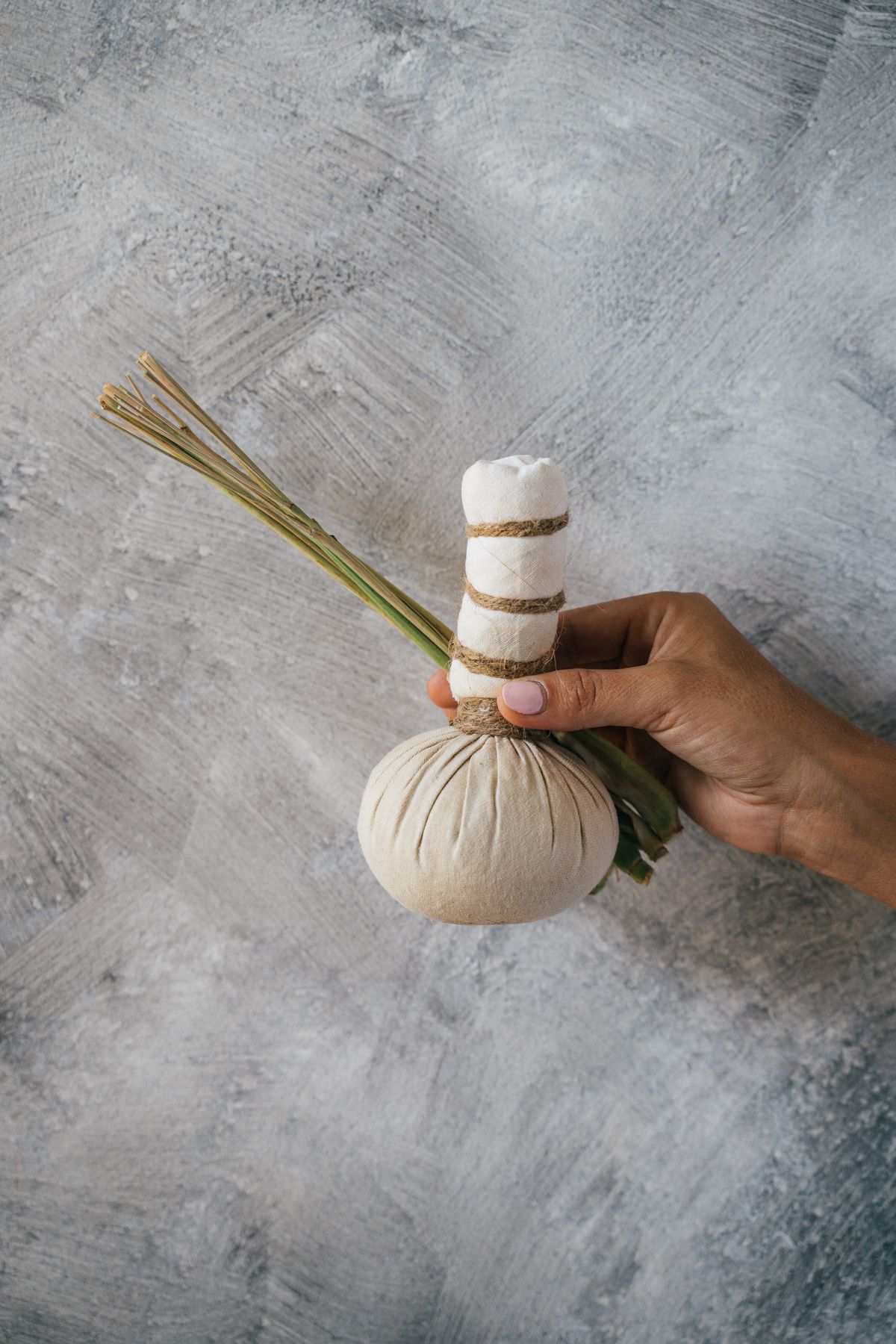 Therapist applying a warm herbal compress during a traditional healing session
3. Supports Natural Detoxification
Every cell in your body produces metabolic waste — dead cells, excess proteins, inflammatory byproducts, and environmental toxins. The lymphatic system is the primary pathway for collecting and processing this debris. When lymphatic flow is sluggish, waste accumulates in tissues, creating what Ayurveda describes as Ama — a sticky, heavy residue that obstructs the channels (Srotas) and disrupts cellular function.
MLD accelerates this natural cleansing process. The gentle, wave-like strokes move stagnant fluid toward the lymph nodes, where waste is filtered and routed for elimination. Ayurvedic traditions have practised this principle for millennia through Abhyanga (warm oil massage) and Garshana (dry brushing with silk gloves), both of which stimulate superficial lymphatic flow and promote the movement of Rasa Dhatu through its channels.
4. Relieves Pain and Reduces Inflammation
One of the most compelling recent findings involves MLD's effect on chronic pain conditions. A 2025 double-blind, randomised, sham-controlled trial studied 20 women with fibromyalgia syndrome and found that MLD added to standard medical treatment significantly reduced pain intensity (measured by Visual Analog Scale) and improved disease impact scores (Fibromyalgia Impact Questionnaire) — with benefits persisting at 12 and 24 weeks of follow-up.
A broader 2021 systematic review examining MLD for musculoskeletal injuries concluded that the technique effectively reduces pain and edema while enhancing range of motion and overall quality of life. The mechanism is twofold: MLD removes inflammatory mediators from tissues (reducing the chemical drivers of pain) and activates the parasympathetic nervous system, lowering the body's overall stress response.
5. Promotes Deep Relaxation and Stress Relief
The slow, rhythmic, repetitive nature of MLD strokes directly stimulates the parasympathetic nervous system — the body's rest-and-digest mode. Heart rate slows, blood pressure drops, and cortisol levels decrease. Many patients report a profound sense of calm during and after treatment, often deeper than conventional massage.
In Ayurvedic philosophy, this calming effect relates to the pacification of Vata dosha — the principle of movement that, when aggravated, produces anxiety, restlessness, and nervous system hyperactivation. The grounding, steady pressure of lymphatic work — much like the warm oil strokes of Abhyanga — brings Vata back into balance, quieting the mind and settling the nervous system.
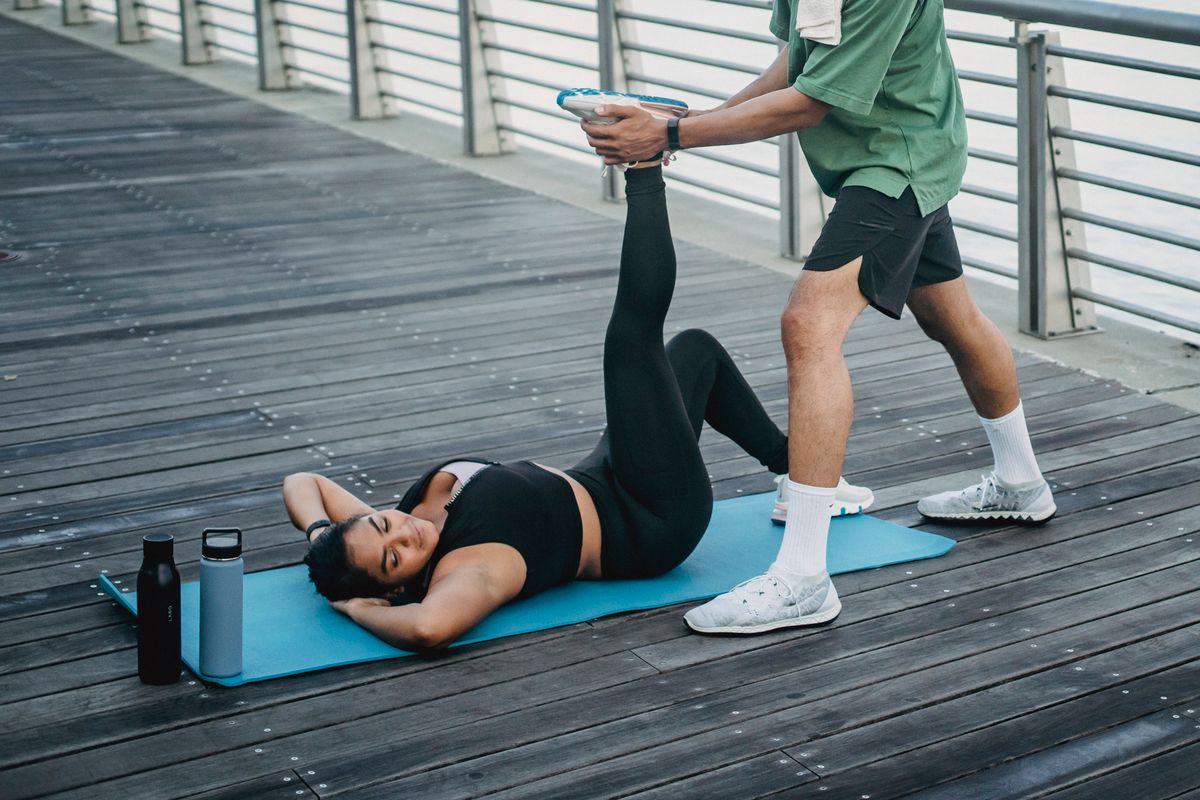 Woman lying on a yoga mat receiving an assisted stretch, practising gentle movement for wellness
6. Improves Skin Health and Appearance
Healthy lymphatic circulation directly influences the quality of your skin. When lymph stagnates, fluid retention causes puffiness — particularly around the face, eyes, and extremities — while accumulated waste gives the skin a dull, congested appearance. By restoring efficient drainage, MLD reduces puffiness, improves cellular nutrition, and supports the delivery of oxygen and nutrients to skin tissue.
Ayurveda has always recognised this connection between inner circulation and outer radiance. The concept of Bhrajaka Pitta — the subdosha governing skin lustre — depends on clean, flowing Rasa Dhatu to maintain its glow. Practitioners have traditionally used facial Marma point massage alongside Abhyanga to stimulate lymphatic drainage in the face and neck, a practice that mirrors the precise nodal work of modern MLD.
7. Enhances Post-Surgical and Post-Injury Recovery
MLD has become a standard component of rehabilitation following surgery, particularly in orthopaedic and oncological settings. By reducing post-operative swelling, preventing fluid accumulation, and supporting tissue healing, MLD can significantly accelerate recovery timelines.
A retrospective analysis published in Supportive Care in Cancer examined MLD during intensive Phase I therapy for breast cancer-related lymphedema and confirmed its effectiveness in reducing limb volume when applied as part of a structured treatment programme. The technique is also increasingly used after cosmetic surgery, joint replacement, and sports injuries to manage acute swelling and promote tissue repair.
| Benefit | Mechanism | Ayurvedic Parallel |
|---|---|---|
| Edema reduction | Stimulates lymphangion pumping, redirects fluid | Clears Srotas blockages |
| Immune support | Enhances lymphocyte circulation and node filtration | Strengthens Ojas through Rasa Dhatu flow |
| Detoxification | Accelerates waste removal from tissues | Removes Ama from Rasavaha Srotas |
| Pain relief | Removes inflammatory mediators, activates parasympathetic response | Pacifies aggravated Vata |
| Relaxation | Slows heart rate, reduces cortisol | Balances Vata dosha, calms Prana |
| Skin health | Reduces puffiness, improves cellular nutrition | Supports Bhrajaka Pitta through clean Rasa |
| Recovery | Reduces post-operative swelling, supports tissue healing | Restores flow through damaged Srotas |
 Fresh ginger root and lemons on a wooden surface, traditional natural remedies
Supporting Your Lymphatic Health Daily
While professional MLD sessions offer targeted therapeutic benefits, you can support your lymphatic system every day through simple practices rooted in both modern wellness and Ayurvedic tradition:
- Dry brushing (Garshana) — use a natural bristle brush or raw silk gloves before bathing, brushing toward the heart in long, firm strokes
- Abhyanga — warm sesame or coconut oil self-massage, following the direction of lymphatic flow
- Movement — even a 20-minute daily walk engages the muscle pump that drives lymph through the vessels
- Hydration — adequate water intake keeps lymph fluid at the right consistency for efficient flow
- Deep breathing — diaphragmatic breathing creates pressure changes in the thoracic duct, the body's largest lymphatic vessel, actively pumping lymph
- Herbal support — traditional Ayurvedic herbs like Manjistha (blood and lymph purifier), Guduchi (immune modulator), and Triphala (gentle detoxifier) have been used for centuries to support Rasa Dhatu and keep the Srotas clear
The ancient Ayurvedic sages understood what modern lymphatic science has confirmed: that health begins with flow. When your body's channels are clear, nourishment reaches every cell, waste is efficiently removed, and the conditions for disease simply do not take root. Manual lymphatic drainage — whether through the precise techniques of Vodder and Földi or the time-honoured practices of Abhyanga and Marma therapy — is one of the most powerful ways to restore and maintain that vital flow.
Sources & Further Reading
Research
- Kasawara, K. T. et al. (2022). Manual Lymphatic Drainage for Breast Cancer-related Lymphedema: A Systematic Review and Meta-analysis of Randomized Controlled Trials. Journal of Cancer Survivorship. View on ScienceDirect
- Ergin, G. et al. (2025). Effects of manual lymphatic drainage on pain intensity, impact of disease and quality of life in women with fibromyalgia syndrome: a double-blind randomized sham-controlled trial. Disability and Rehabilitation, 47(17). View on PubMed
- Tuğral, A. et al. (2025). Evaluation of the effect of manual lymphatic drainage method on edema, pain and trismus after impacted bilateral mandibular third molar surgery: a randomized clinical trial. View on PubMed
- Defined, N. et al. (2024). Effects of manual lymphatic drainage on total knee replacement: a systematic review and meta-analysis of randomized controlled trials. View on PMC
- Pinto, A. M. et al. (2021). The use of manual lymphatic drainage on clinical presentation of musculoskeletal injuries: A systematic review. Journal of Bodywork and Movement Therapies. View on PubMed
- Happe, S. et al. (2024). Effectiveness of manual lymphatic drainage in intensive phase I therapy of breast cancer-related lymphedema — a retrospective analysis. Supportive Care in Cancer. View on Springer
Further Reading
- Lymphatic Drainage Massage: What It Is & Benefits — Cleveland Clinic
- Ayurvedic Lymphatic Drainage: Boost Health and Vitality — AyurVida Wellness
- Why Lymphatic Health Matters & How to Perform a Lymphatic Drainage Massage — Paavani Ayurveda
- Rasa Dhatu: Definition, Formation, Circulation — Easy Ayurveda
Image Credits
- Cover: Person laying down and receiving massage — Pexels
- Herbal compress therapy session — Pexels
- Woman on yoga mat doing stretching — Pexels
- Ginger and lemon natural remedies — Pexels
All images free to use under the Pexels License.