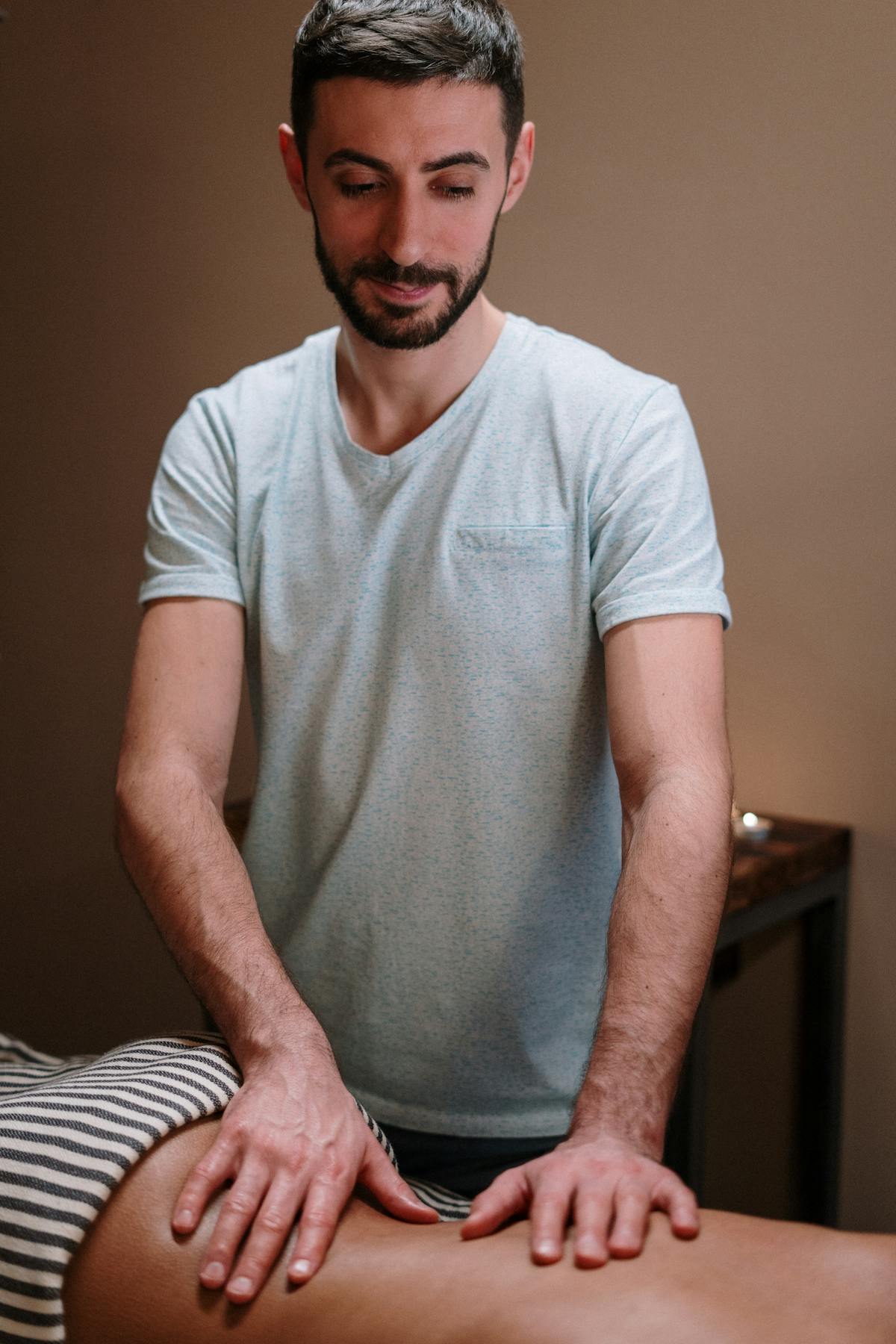
Your nervous system never truly switches off. Even in sleep, it orchestrates breath, heartbeat, digestion, and repair — a ceaseless rhythm that keeps you alive. But when chronic stress locks the system into a state of perpetual alertness, that rhythm falters. Craniosacral therapy (CST) offers one of the gentlest yet most profound pathways back to nervous system balance, working with the body's own cerebrospinal rhythm to restore the calm your biology requires.
What Is Craniosacral Therapy?
Craniosacral therapy is a non-invasive, hands-on approach developed from the osteopathic tradition. It works with the craniosacral system — the membranes and cerebrospinal fluid (CSF) that surround and protect the brain and spinal cord. Using touch as light as five grams (roughly the weight of a small coin), a practitioner listens to the subtle rhythmic pulsations of CSF circulation, identifies restrictions in fascial tissue and dural membranes, and gently facilitates their release.
The craniosacral rhythm — a subtle expansion and contraction occurring 6 to 12 cycles per minute — is distinct from both the cardiac and respiratory rhythms. This pulse reflects the production and reabsorption of cerebrospinal fluid and can be palpated anywhere on the body, providing a map of tension and restriction within the central nervous system.
The Autonomic Nervous System: Stuck in Survival Mode
To understand why CST is so effective for stress, we need to look at the autonomic nervous system (ANS). The ANS has two primary branches:
| Branch | Function | State | Physical Signs |
|---|---|---|---|
| Sympathetic | Fight-or-flight activation | Stress, alertness, mobilisation | Elevated heart rate, shallow breathing, muscle tension |
| Parasympathetic | Rest-and-digest restoration | Calm, repair, connection | Slower heart rate, deep breathing, relaxed muscles |
In a healthy system, these branches alternate fluidly — you mobilise energy when needed and return to rest when the threat passes. But modern life bombards the nervous system with relentless low-grade stressors: work pressure, screens, noise, processed food, poor sleep. Over time, the sympathetic branch dominates, and the system loses its capacity to return to parasympathetic calm. This is dysregulation — and it underlies a vast spectrum of modern health complaints from insomnia and anxiety to chronic pain and digestive disorders.
 Peaceful woman meditating with closed eyes in morning light
How Craniosacral Therapy Resets the Nervous System
CST works through several interconnected neurophysiological mechanisms:
Direct Engagement with the Dura Mater
Recent research has revealed direct anatomical and functional connections between the dura mater (the outermost membrane surrounding the brain and spinal cord) and the brain itself. Studies have demonstrated that trigeminal ganglion neurons are directly activated by CSF influx, and that meningeal lymphatic signalling involving calcitonin gene-related peptide (CGRP) plays a role in pain perception and neuroinflammation. By releasing tension in the dural membranes, CST may directly influence these neural pathways.
Parasympathetic Activation via the Vagus Nerve
The vagus nerve — the longest cranial nerve and the primary conduit of parasympathetic activity — passes through the cranial base and is intimately related to the structures addressed in CST. Gentle craniosacral holds at the cranial base and sacrum appear to facilitate a shift from sympathetic dominance toward parasympathetic engagement, allowing the body to enter its natural restoration state.
Cerebrospinal Fluid Optimisation
CSF serves not only as a cushion for the brain and spinal cord but also as a medium for waste clearance (the glymphatic system), nutrient transport, and signalling. By supporting the free and rhythmic flow of CSF, craniosacral therapy may enhance the nervous system's own self-regulatory processes.
What the Research Shows
The evidence base for craniosacral therapy's effect on nervous system regulation has grown considerably:
A 2024 systematic review and meta-analysis published in the Journal of Clinical Medicine examined craniosacral therapy's neurophysiological effects on heart rate variability (HRV) — a key biomarker of autonomic function. The review concluded that CST provides a moderate short-term increase in parasympathetic activity and may be beneficial for patients with an overactive sympathetic state.
A 2023 study in Scientific Reports examined the effect of cranial techniques on firefighter cadets subjected to psychological stress tests. The results demonstrated that craniosacral treatment produced a more favourable autonomic response and a more blunted stress reaction compared to controls.
A landmark clinical trial by Matarán-Peñarrocha et al. (2011) randomised 84 fibromyalgia patients into CST and placebo groups over 25 weeks. The intervention group showed significant improvements in anxiety, pain, sleep quality, and quality of life at post-treatment and six-month follow-up. Notably, sleep quality improvements persisted at the one-year mark.
A 2019 systematic review in BMC Musculoskeletal Disorders analysed ten randomised controlled trials encompassing 681 patients with conditions including chronic neck pain, migraines, fibromyalgia, and pelvic girdle pain, finding evidence of clinical benefit particularly for pain and functional outcomes.
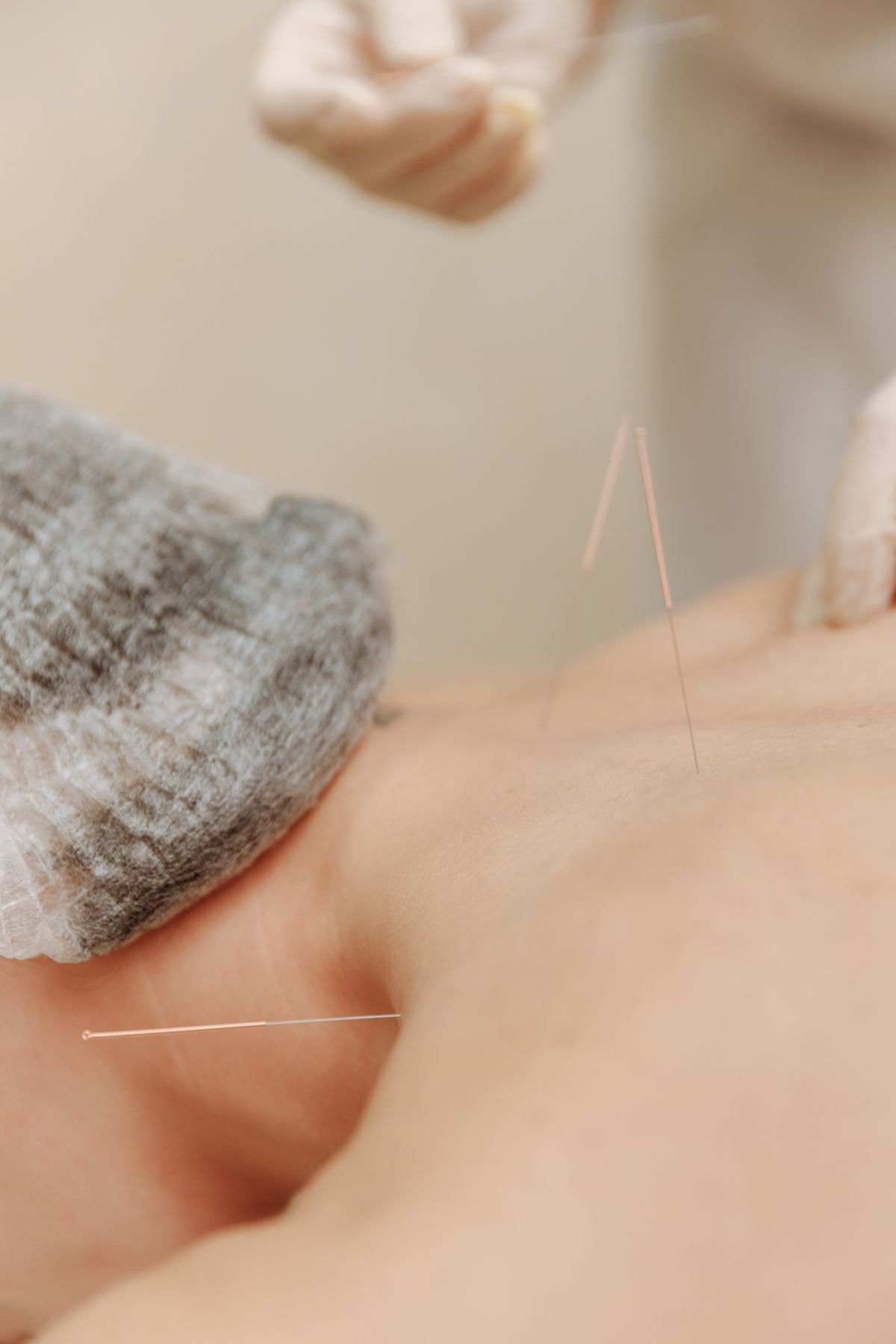 Person receiving gentle therapeutic bodywork on the back and spine area
What to Expect in a Session
A craniosacral therapy session typically lasts 45 to 60 minutes. You remain fully clothed, lying face up on a treatment table. The practitioner places their hands at various listening stations — the cranial base, the sacrum, the thoracic inlet, the pelvic diaphragm — using that feather-light touch to assess the craniosacral rhythm and locate areas of restriction.
Common experiences during a session include:
- A deepening sense of calm and spaciousness
- Warmth spreading through the body as circulation opens
- Subtle unwinding movements as fascia releases
- A shift in breathing — from shallow and thoracic to slow and diaphragmatic
- Occasional gurgling as the digestive system reactivates (a sign of parasympathetic engagement)
Many people describe the experience as drifting between waking and sleep — a liminal state that reflects the nervous system transitioning from sympathetic alertness into parasympathetic restoration.
Who Benefits Most?
Craniosacral therapy is particularly suited to individuals whose symptoms trace back to nervous system dysregulation:
- Chronic stress and burnout — when the body has forgotten how to rest
- Anxiety and panic disorders — where the sympathetic system fires without external threat
- Insomnia and sleep disturbances — often rooted in an inability to downregulate at night
- Chronic pain conditions — fibromyalgia, migraines, TMJ dysfunction
- Post-traumatic stress — where the body holds unresolved survival responses
- Post-concussion symptoms — headaches, brain fog, and nervous system sensitivity
- Digestive disorders — IBS and functional gut issues linked to vagal tone
CST works especially well as a complement to other approaches — Ayurvedic protocols, meditation, breathwork, and lifestyle adjustments. By restoring the nervous system's capacity for self-regulation, it creates a foundation upon which other therapies can be more effective.
A Gentle Path to Deep Regulation
In a world that prizes intensity — intense exercise, intense productivity, intense stimulation — craniosacral therapy offers a radical counterpoint. It demonstrates that the deepest healing often requires the lightest touch. By meeting the nervous system exactly where it is, with patience and subtlety, CST reminds us that regulation is not something we force. It is something we allow.
Sources & Further Reading
Research
- Haller, H. et al. (2019). Craniosacral therapy for chronic pain: a systematic review and meta-analysis of randomized controlled trials. BMC Musculoskeletal Disorders. View on PMC
- Matarán-Peñarrocha, G. et al. (2011). Influence of Craniosacral Therapy on Anxiety, Depression and Quality of Life in Patients with Fibromyalgia. Evidence-Based Complementary and Alternative Medicine. View on PMC
- Martins, W. et al. (2024). The Neurophysiological Effects of Craniosacral Treatment on Heart Rate Variability: A Systematic Review and Meta-Analysis. Journal of Clinical Medicine. View on PMC
- Khanmohammadi, R. et al. (2023). The effect of cranial techniques on the heart rate variability response to psychological stress test in firefighter cadets. Scientific Reports. View on Nature
- Halma, K. et al. (2026). Craniosacral therapy and the pathophysiology of the craniosacral system: Mechanisms, controversies, and proposed future research directions. View on PubMed
Further Reading
- Craniosacral Therapy — ScienceDirect Topics
- How CranioSacral Therapy Resets the Nervous System — Apex Physical Therapy
Image Credits
- Cover: Man giving a therapeutic massage in a calm setting — Pexels
- Peaceful woman meditating with closed eyes — Pexels
- Person's back with therapeutic treatment — Pexels
All images free to use under the Pexels License.