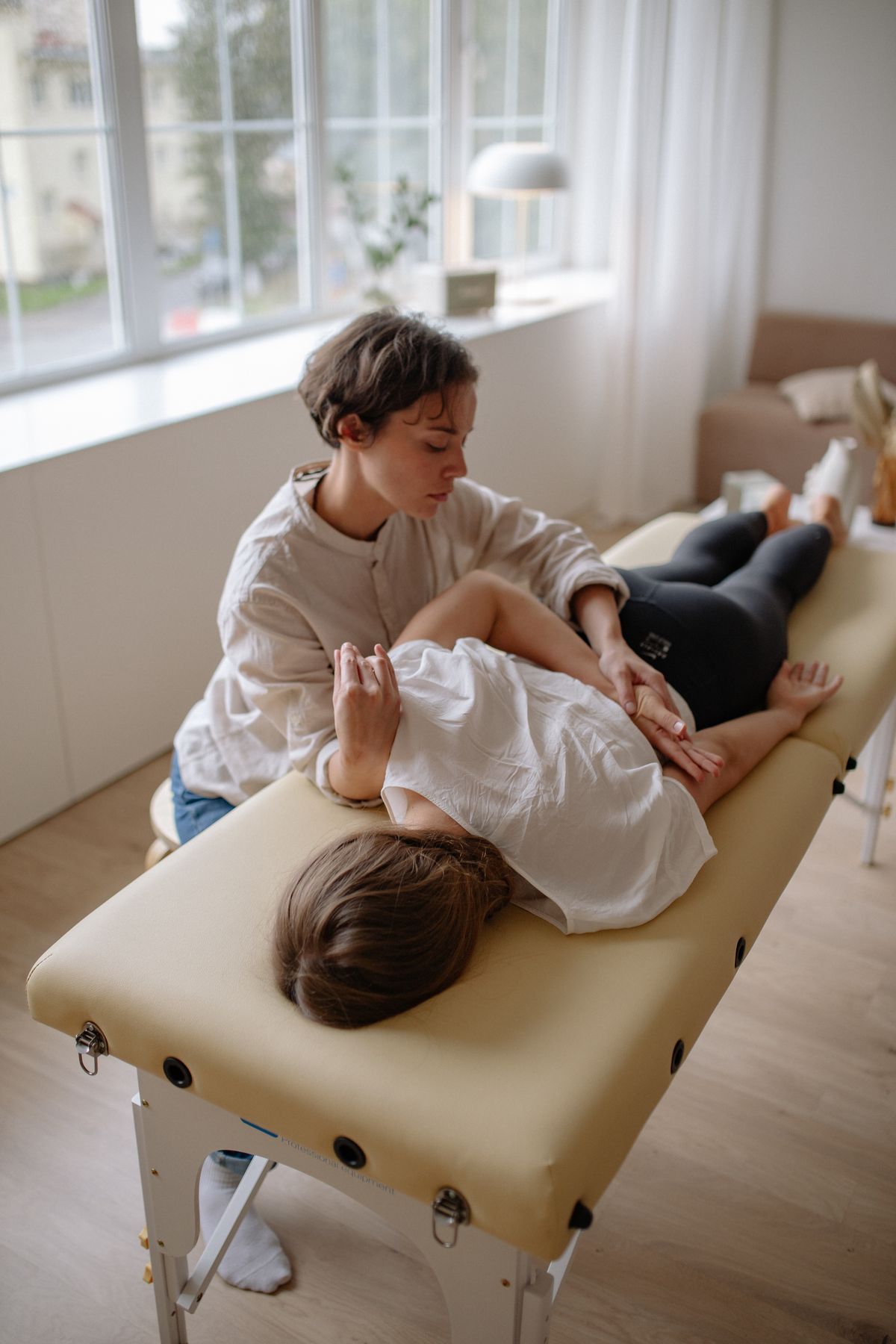
Anxiety is not just a state of mind — it is a state of body. The racing heart, the tight chest, the shallow breathing, the restless thoughts that circle without landing: these are the signals of a nervous system locked in survival mode. When stress becomes chronic, the body forgets how to return to calm. Craniosacral therapy (CST) offers a way back — a gentle, hands-on approach that works with the body's own rhythms to release the deep tension that fuels anxiety and restore the capacity for genuine rest.
Why Anxiety Gets Trapped in the Body
Modern neuroscience confirms what bodyworkers have long observed: anxiety lives in the tissues, not just the thoughts. When the brain perceives a threat — real or imagined — it triggers the hypothalamic-pituitary-adrenal (HPA) axis, flooding the body with cortisol and corticotropin-releasing hormone (CRH). In acute stress, this response mobilises you, then subsides. In chronic stress, the system never fully stands down.
The result is a body caught in sympathetic dominance: elevated baseline cortisol, heightened muscle tone, restricted breathing, and a nervous system that interprets even neutral stimuli as threats. Over time, this dysregulation manifests as generalised anxiety, panic episodes, insomnia, digestive disturbance, and chronic pain. The mind cannot think its way out of a pattern held in the body's fascia, membranes, and fluid dynamics — which is precisely where craniosacral therapy works.
How Craniosacral Therapy Addresses Anxiety
CST targets the craniosacral system — the membranes and cerebrospinal fluid (CSF) that envelop the brain and spinal cord. Using touch as light as five grams, a practitioner identifies restrictions in these structures and facilitates their release. This process engages several mechanisms directly relevant to anxiety:
Parasympathetic Activation
The cranial base and sacrum — key contact points in CST — are intimately connected to the vagus nerve, the primary conduit of parasympathetic activity. Gentle holds at these sites facilitate a measurable shift from sympathetic arousal toward parasympathetic calm. The body responds with slower breathing, reduced heart rate, and a palpable sense of safety.
Stress Hormone Reduction
Clinical research demonstrates that CST directly lowers the chemical drivers of anxiety. A randomised clinical trial with 57 firefighter cadets found that five weekly sessions of craniosacral therapy produced significant reductions in both cortisol (p ≤ 0.0001) and corticotropin-releasing hormone (p = 0.00067) — the two hormones most closely linked to the stress response.
Oxytocin Release
A follow-up study on the same population found that CST significantly increased oxytocin levels (p = 0.026) — a hormone associated with bonding, trust, and emotional safety. Elevated oxytocin directly counteracts the anxiety-promoting effects of cortisol, creating a neurochemical environment in which the nervous system can genuinely let go.
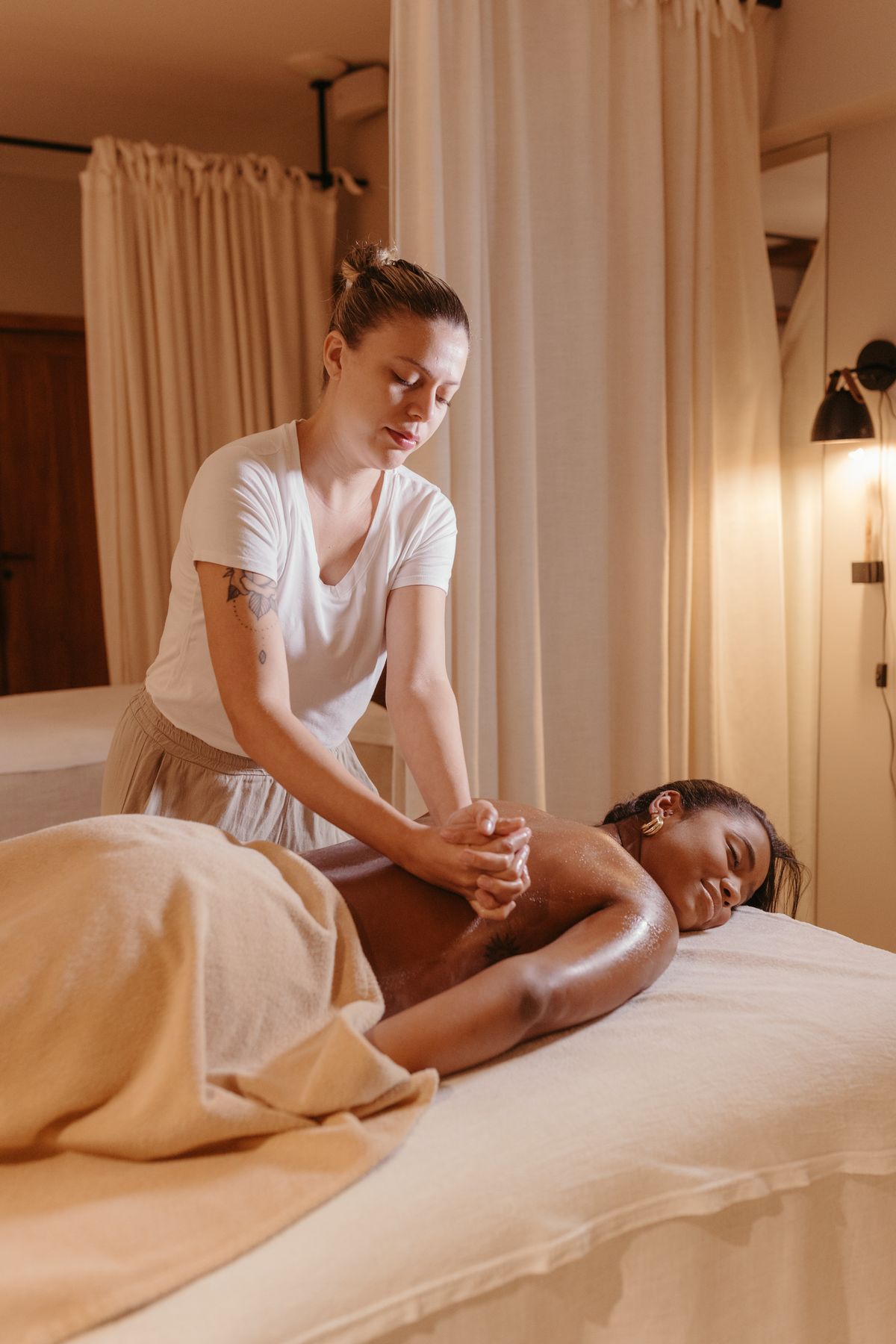 Woman lying on a massage table receiving a gentle therapeutic treatment in a warm, calming spa setting
What the Research Shows
The evidence for craniosacral therapy's effect on anxiety has strengthened considerably in recent years:
| Study | Participants | Duration | Key Anxiety Finding |
|---|---|---|---|
| Matarán-Peñarrocha et al. (2011) | 84 fibromyalgia patients | 50 sessions / 25 weeks | Significant improvement in state anxiety (p < .029) and trait anxiety (p < .042) vs placebo |
| Khanmohammadi et al. (2023) | 57 firefighter cadets | 5 weekly sessions | Cortisol reduced (p ≤ 0.0001), CRH reduced (p = 0.00067) |
| Khanmohammadi et al. (2025) | 57 firefighter cadets | 5 weekly sessions | Oxytocin increased (p = 0.026), favouring stress resilience |
| Martins et al. (2024) | Systematic review (HRV) | Multiple trials | Moderate short-term increase in parasympathetic activity |
The fibromyalgia trial is particularly noteworthy. It used a double-blind design with a sham-treatment control group — a rigorous standard rarely achieved in manual therapy research. Participants who received CST showed improvements not only in anxiety but also in sleep quality, with benefits persisting at the six-month and one-year follow-ups. Sleep and anxiety are deeply interconnected: when the nervous system can regulate itself at night, daytime anxiety diminishes.
CST Compared with Other Approaches
Craniosacral therapy occupies a unique position among stress-relief modalities. Understanding how it differs helps clarify when it is the right choice:
| Approach | Primary Target | Mechanism | Best For |
|---|---|---|---|
| Craniosacral Therapy | Central nervous system, dural membranes | Ultra-light touch, parasympathetic activation | Deep nervous system dysregulation, trauma-held anxiety |
| Massage Therapy | Muscles and soft tissue | Pressure-based relaxation, circulation | Muscular tension, general relaxation |
| Breathwork | Respiratory system, vagal tone | Conscious breathing patterns | Acute anxiety, panic, self-regulation skills |
| Meditation | Mind, attentional networks | Awareness training, cognitive reframing | Rumination, generalised worry, long-term resilience |
CST is not a replacement for any of these — it is a complement. Many practitioners find that clients who struggle to meditate because their nervous system is too activated benefit enormously from CST first: once the body has been reminded what calm feels like, the mind finds it easier to follow.
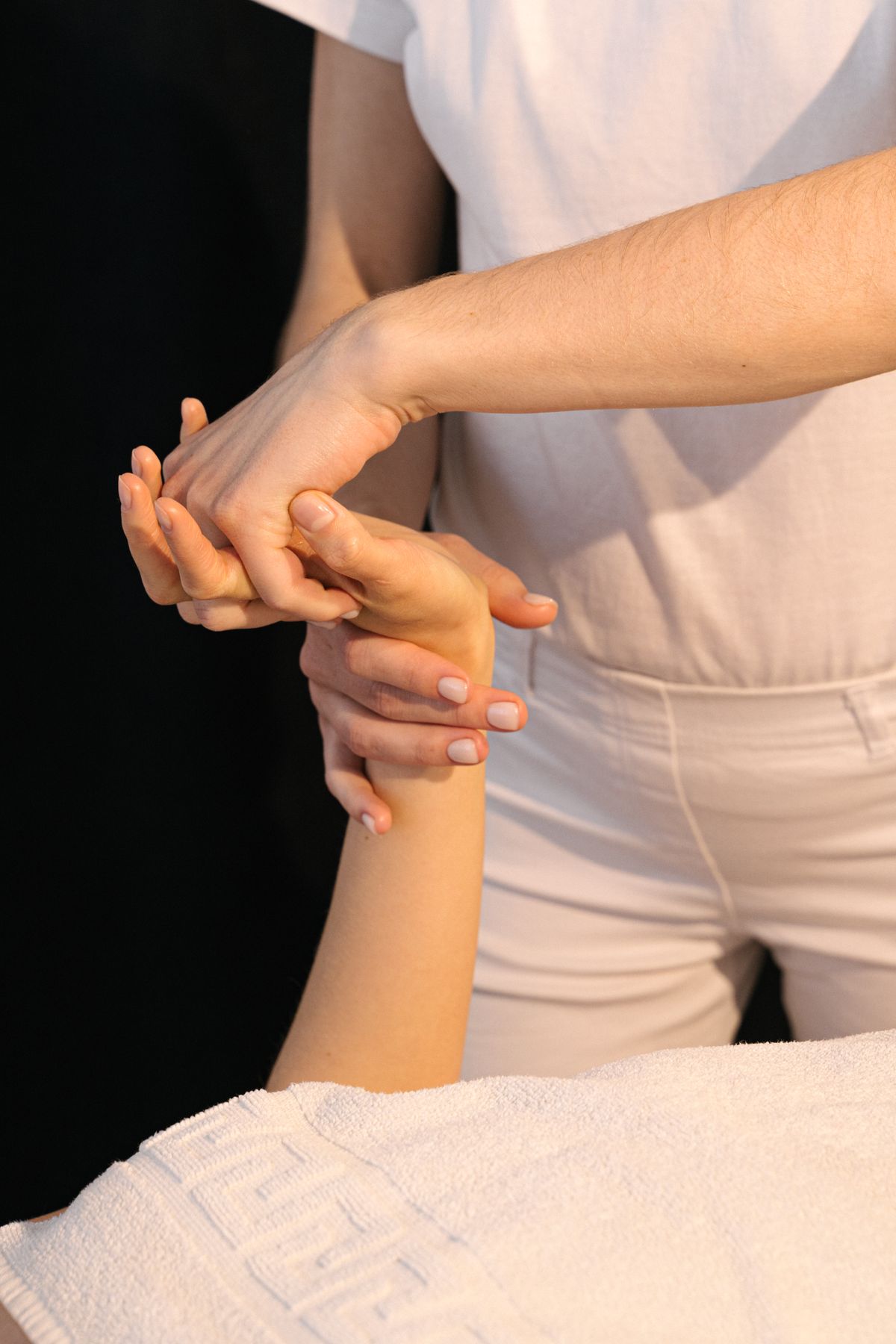 Therapist performing a gentle hand therapy technique in a wellness treatment room
What to Expect When You Arrive Anxious
For someone living with anxiety, the thought of a new therapy can itself be a source of stress. Here is what typically happens:
You remain fully clothed throughout the session, lying face up on a padded treatment table. There is no oil, no undressing, no deep pressure — factors that make CST particularly accessible for people whose anxiety includes touch sensitivity or hypervigilance. The practitioner places their hands at key listening stations — the cranial base, the sacrum, the thoracic inlet — and simply waits, following the body's own rhythm.
Within minutes, most people notice their breathing shift. It deepens without effort. The jaw softens. The shoulders release. There may be gentle warmth, subtle pulsations, or a floating quality — signs that the parasympathetic system is engaging. Many describe drifting into a state between waking and sleep, where the relentless mental chatter of anxiety finally quietens.
A course of five to six weekly sessions is a reasonable starting point, based on the clinical evidence. Chronic anxiety patterns that have built up over years may benefit from ongoing monthly sessions — not as a crutch, but as regular nervous system maintenance, much like a meditation or yoga practice.
Meeting the Body Where It Is
Anxiety asks us to do something — to fight, to flee, to fix. Craniosacral therapy asks something different: to be still, to be held, and to allow the body's own intelligence to find its way back to equilibrium. In a culture that treats stress as a problem to be solved through more effort, CST offers a quiet but powerful alternative — the recognition that sometimes the deepest healing begins with the lightest touch.
Sources & Further Reading
Research
- Khanmohammadi, R. et al. (2023). The Effect of Craniosacral Therapy on Blood Levels of Stress Hormones in Male Firefighter Cadets: A Randomized Clinical Trial. Behavioral Sciences. View on PMC
- Khanmohammadi, R. et al. (2025). Application of Craniosacral Therapy Versus Blood Levels of Corticoliberin and Oxytocin in Male Firefighters Exposed to Occupational Stress — A Randomised Control Trial. Journal of Men's Health. View on PMC
- Matarán-Peñarrocha, G. et al. (2011). Influence of Craniosacral Therapy on Anxiety, Depression and Quality of Life in Patients with Fibromyalgia. Evidence-Based Complementary and Alternative Medicine. View on PMC
- Martins, W. et al. (2024). The Neurophysiological Effects of Craniosacral Treatment on Heart Rate Variability: A Systematic Review and Meta-Analysis. Journal of Clinical Medicine. View on PMC
- Haller, H. et al. (2019). Craniosacral therapy for chronic pain: a systematic review and meta-analysis of randomized controlled trials. BMC Musculoskeletal Disorders. View on PMC
Further Reading
- Craniosacral Therapy: Uses and Effectiveness — Medical News Today
- Craniosacral Therapy Technique: What Is It, Benefits & Risks — Cleveland Clinic
Image Credits
- Cover: Therapist holding a client's hand during a treatment session — Pexels
- Woman receiving a gentle massage treatment — Pexels
- Therapist performing gentle hand therapy — Pexels
All images free to use under the Pexels License.