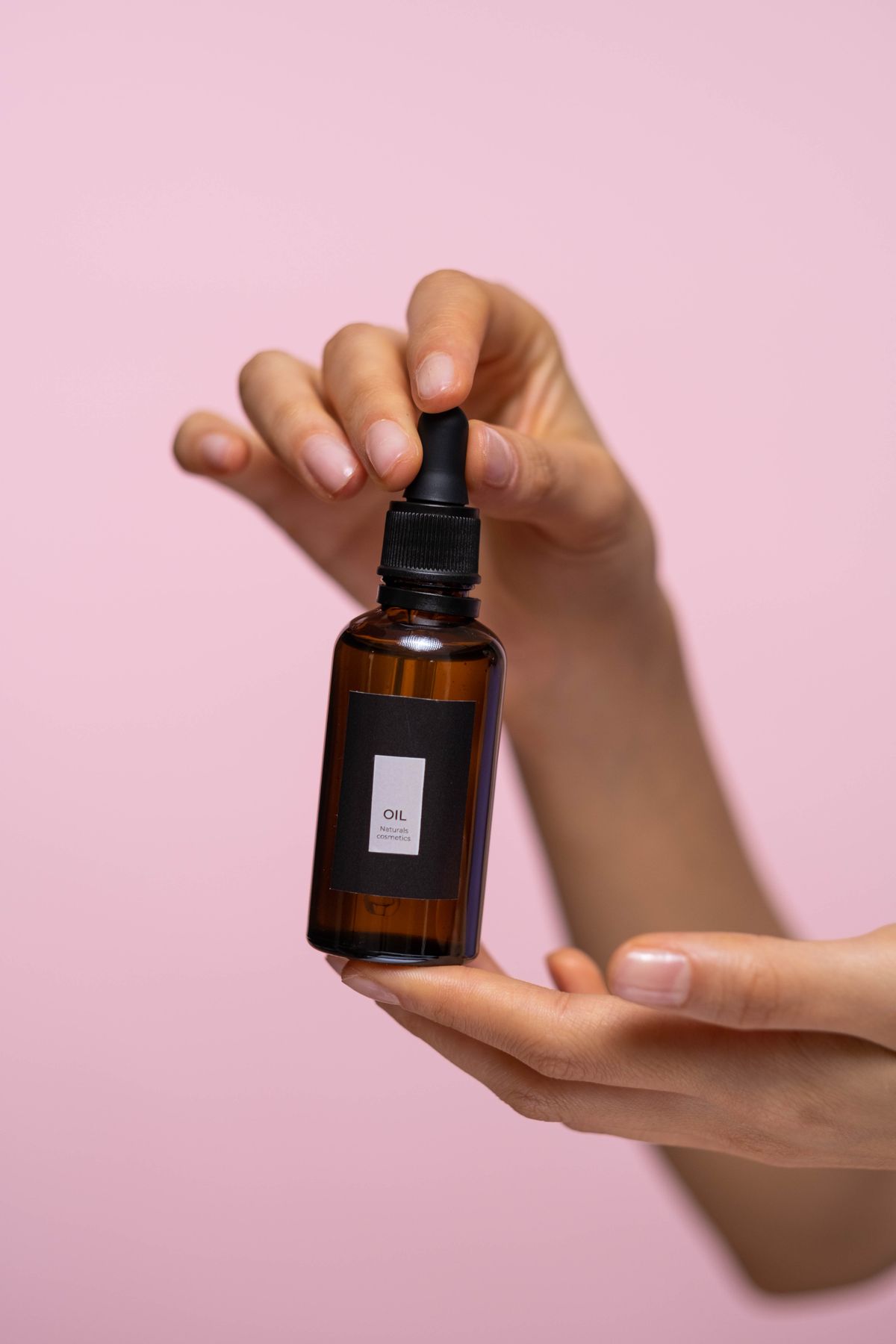
In Ayurveda, there is a Sanskrit axiom that has guided practitioners for millennia: "Nasa hi Shiraso Dwaram" — the nose is the gateway to the head. This simple yet profound principle underpins Nasya, one of the five core Panchakarma therapies, in which medicated oils are administered through the nostrils to cleanse, nourish, and balance the entire region above the clavicle — from the sinuses and eyes to the brain itself.
While Western medicine has only recently begun exploring intranasal drug delivery as a way to bypass the blood-brain barrier, Ayurvedic physicians documented this pathway in the Charaka Samhita and Sushruta Samhita over two thousand years ago. Today, a growing body of peer-reviewed research is validating what traditional healers have long understood: the nasal passages offer a direct, efficient route to the central nervous system, making Nasya one of the most elegant therapies in the Ayurvedic toolkit.
How Nasya Works: The Nose-to-Brain Pathway
The nasal cavity is lined with a richly vascularised mucous membrane that sits just millimetres from the olfactory bulb and the cribriform plate — the thin bone separating the nasal cavity from the brain. When medicated oil is placed in the nostrils, its active compounds are absorbed across this membrane and travel along olfactory and trigeminal nerve pathways directly into the limbic system, the brain region responsible for memory, emotion, and hormonal regulation.
Modern pharmacokinetics confirms this mechanism. A 2024 systematic review published on ScienceDirect examining 45 studies on intranasal herbal delivery found that this route achieves rapid central nervous system delivery while bypassing first-pass liver metabolism — resulting in bioavailability profiles that can approach those of intravenous injection. The nasal mucosa's large surface area, abundant capillaries, and rich lymphatic drainage make it an exceptionally efficient absorption site.
This is why classical texts describe Nasya as "shirah kapala shuddhi" — purification of the head and skull. The therapy stimulates chemoreceptors along the olfactory nerves, triggering the release of neuropeptides in the hypothalamus and limbic centres that regulate pain, mood, and cognitive function.
Classical Types of Nasya
The Charaka Samhita classifies Nasya into several distinct types, each serving a different therapeutic purpose. These can be grouped into three broad categories of action:
| Type | Action | Substances Used | Primary Indication |
|---|---|---|---|
| Virechana (Cleansing) | Eliminates excess Kapha and toxins | Herbal powders, strong decoctions | Congestion, sinusitis, heaviness |
| Brumhana (Nourishing) | Strengthens and rebuilds tissues | Ghee, milk-based preparations | Vata imbalance, dryness, depletion |
| Shamana (Palliative) | Calms and balances doshas | Medicated oils, herbal juices | Headaches, stress, mild imbalance |
| Navana (Fresh juice) | Direct herbal action | Fresh plant juices | Acute conditions, seasonal support |
| Pratimarsha (Daily maintenance) | Gentle lubrication and protection | 2 drops of oil per nostril | Daily self-care, prevention |
| Marshya (Therapeutic dose) | Deep nourishment of nasal tissues | Higher-dose oils and ghee | Chronic dryness, tissue repair |
Of these, Pratimarsha Nasya is the only form explicitly recommended by classical texts for daily self-administration. The Sushruta Samhita (Chikitsa Sthana 40/51) lists over a dozen ideal moments for Pratimarsha practice: upon waking, after brushing the teeth, before leaving home, after exercise, after meals, and before sleep. The remaining types are clinical procedures best performed under a trained vaidya's supervision.
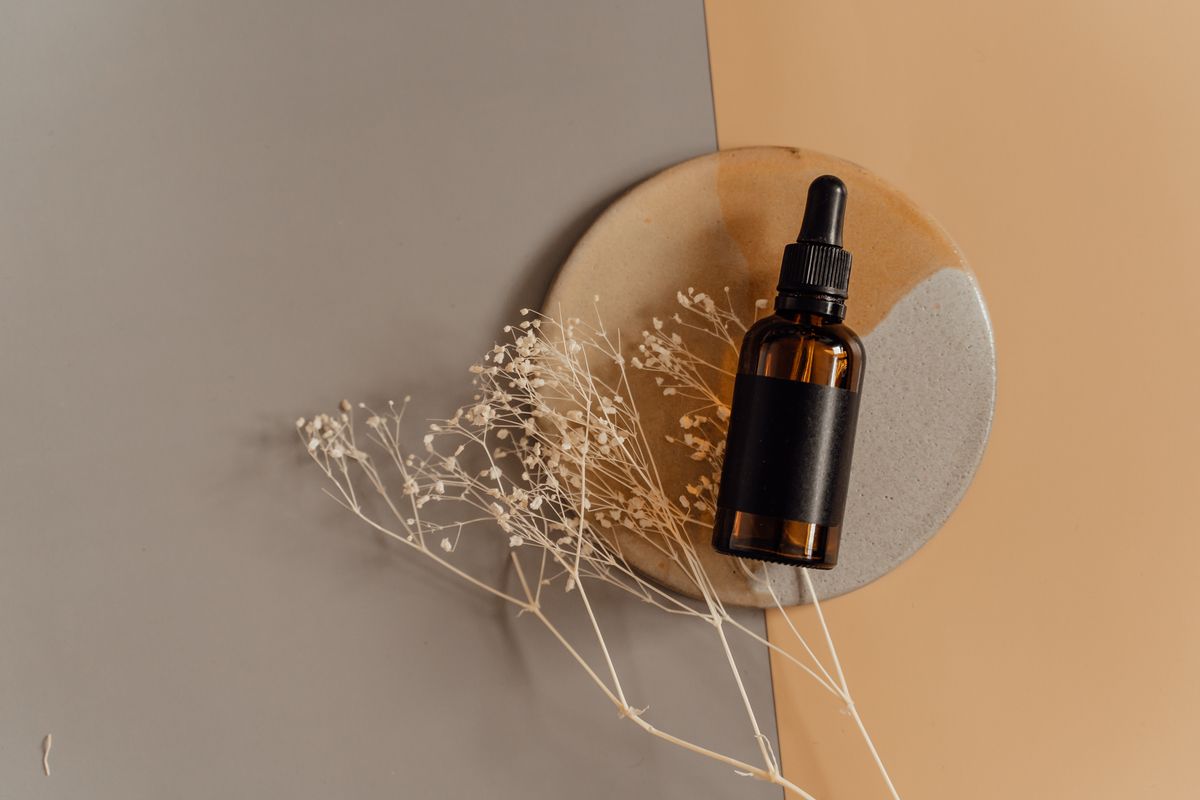 Brown glass bottle of essential oil with dropper on natural surface
Anu Taila: The Classical Nasya Formulation
The most revered Nasya oil in Ayurvedic tradition is Anu taila — a sophisticated formulation referenced in the Ashtanga Hridaya, Charaka Samhita, and Sahasrayoga. The name itself carries meaning: in Sanskrit, "Anu" means subtle or minute, reflecting the oil's ability to penetrate the finest channels of the nasal passages.
Anu taila is prepared by processing over 25 medicinal herbs in sesame oil with goat milk. Key ingredients include:
- Jivanti (Leptadenia reticulata) — an adaptogenic herb that supports stress resilience and vitality
- Yashtimadhu (Glycyrrhiza glabra) — licorice root with potent anti-inflammatory and soothing properties
- Devadaru (Cedrus deodara) — an expectorant that clears respiratory mucus
- Shatavari (Asparagus racemosus) — a cooling, nourishing herb that calms inflammation
- Daruharidra (Berberis aristata) — Indian barberry with antimicrobial and wound-healing action
- Twak (Cinnamon) — supports metabolism and protects cognitive function
The preparation follows an exacting traditional method: a decoction of herbs is reduced to one-tenth its original volume, then combined with sesame oil and cooked repeatedly — up to ten times — with goat milk added during the final processing. This iterative refinement concentrates the herbs' active compounds while ensuring optimal absorption through the nasal mucosa.
What the Research Says
A landmark 2023 study published in the Journal of Ayurveda and Integrative Medicine (PMC10692365) described Anu taila as a potential "biological mask" for respiratory health. The researchers gathered evidence from in-silico, preclinical, and pharmacological studies demonstrating that sesame oil's fatty acid profile may restrict viral binding at the nasal epithelium — the body's first line of respiratory defence.
A follow-up 2025 pilot randomised controlled trial (published in Complementary Therapies in Medicine) enrolled 102 healthy volunteers in a 12-week study comparing intranasal sesame oil, Anu taila, and a control group. The trial assessed mucin gene expression (MUC5B, MUC5AC), tight junction proteins, cytokine levels, mucosal immunity markers (secretory IgA), and respiratory infection incidence. Of the 99 participants who completed the study, no serious adverse events were reported, confirming the safety profile of daily nasal oil instillation.
Benefits of Regular Nasya Practice
When practised consistently, Nasya therapy addresses a remarkably wide range of conditions — all stemming from its direct access to the structures above the clavicle:
- Sinus and respiratory health — lubricates dry nasal passages, clears congestion, and strengthens mucosal barrier function
- Mental clarity and cognitive function — the limbic system stimulation sharpens memory, focus, and sensory perception
- Headache and migraine relief — a PubMed-indexed double-blind RCT (PMID: 36384709) demonstrated that Nasya with Vrihatajivakadya oil was effective and safe for migraine, with medium-viscosity oil showing the best outcomes
- Emotional balance — the therapy's action on the hypothalamus and limbic system helps regulate mood, reduce anxiety, and alleviate stress
- Eye and ear health — classical texts describe the Shringataka marma, a vital energy point at the junction of the eyebrows connected to all sense organs, which Nasya nourishes directly
- Sleep quality — a case study documented a reduction in Pittsburgh Sleep Quality Index scores from 13 to 6 within 14 days of Nasya with Ksheerbala taila
- Voice strength — nourishes the vocal cords and throat, beneficial for speakers, singers, and teachers
 Hindu sadhu meditating with eyes closed in deep pranayama practice
How to Practise Pratimarsha Nasya at Home
Pratimarsha Nasya is gentle enough for daily use and requires no special equipment. Here is a step-by-step guide:
Preparation
- Warm the oil — place the bottle of Anu taila or sesame oil in a cup of warm water for a few minutes until it reaches body temperature. Never use cold oil.
- Prepare your face — gently massage the cheeks, forehead, and nose with warm oil to open the channels. A warm towel placed over the face for a minute can further loosen congestion.
Administration
- Position yourself — lie down with your head tilted slightly back (a pillow under the shoulders works well), or sit comfortably and tilt your head back.
- Apply the oil — place two drops of warm oil in each nostril using a clean dropper. Breathe gently through the nose to draw the oil inward.
- Rest — remain in position for one to two minutes, allowing the oil to spread through the nasal passages. You may feel it reaching the back of the throat — this is normal.
- Clear gently — after resting, sit up slowly and spit out any oil that has drained into the throat. Avoid blowing the nose forcefully.
Best Times for Practice
The Sushruta Samhita recommends Pratimarsha Nasya at multiple points throughout the day, but the two most important timings are:
- Morning — upon waking, after brushing teeth, before leaving home (protects against airborne pollutants and allergens)
- Evening — before sleep, to calm the mind and support restful sleep
Dosha-Specific Recommendations
| Dosha | Recommended Oil | Key Benefits |
|---|---|---|
| Vata | Warm sesame oil or Anu taila | Counters dryness, calms nervous system, grounds scattered energy |
| Pitta | Brahmi ghee or coconut oil | Cools inflammation, soothes irritation, supports clarity |
| Kapha | Light sesame oil with eucalyptus or calamus | Clears congestion, reduces heaviness, stimulates mental sharpness |
Precautions and Contraindications
Nasya is considered safe when properly administered, but certain situations call for caution:
- Avoid during acute respiratory infections, high fever, or immediately after eating
- Not recommended for children under seven or adults over eighty
- Pregnancy — use only under the guidance of a qualified Ayurvedic practitioner
- Kapha aggravation — oil instillation after food or at night, particularly in winter, may increase Kapha in the respiratory tract, causing excess mucus or sneezing
- After Nasya, classical texts recommend mild herbal smoke inhalation (Dhumapana) to dry any excess Kapha — a simple inhalation of guggulu and cinnamon for one minute serves this purpose
As with all Panchakarma therapies, the most beneficial approach is to work with a qualified Ayurvedic practitioner who can tailor the type of Nasya, the oil formulation, and the dosage to your individual constitution and current state of health.
An Ancient Practice for Modern Times
In an era of chronic sinus issues, screen-induced mental fog, and rising stress levels, Nasya offers something rare: a practice that is simultaneously ancient and remarkably relevant. The simplicity of placing two drops of warm oil in the nostrils belies the sophistication of the physiological pathways it activates — pathways that modern neuroscience is only now beginning to map in detail.
Whether you are drawn to Nasya for its respiratory benefits, its cognitive clarity, or its grounding effect on the nervous system, the practice invites a daily act of self-care that reconnects you with one of Ayurveda's most fundamental insights: the breath, and the passages through which it flows, are the beginning of all healing.
Sources & Further Reading
Research
- Nesari, T. et al. (2023). Nasal application of sesame oil-based Anu taila as 'biological mask' for respiratory health during COVID-19. Journal of Ayurveda and Integrative Medicine, 14(5), 100773. View on PMC
- Nesari, T. et al. (2025). Daily intranasal sesame oil instillation to improve nasal barrier function and mucosal immunity for respiratory health: A pilot randomized trial in healthy adults. Complementary Therapies in Medicine. View on PubMed
- Patel, M. et al. (2022). A double-blind controlled clinical trial to evaluate the effects of nasal therapy with Vrihatajivakadya oil on different viscosities in patients with migraine. View on PubMed
- Li, Y. et al. (2024). Intranasal delivery of herbal medicine for disease treatment: A systematic review. ScienceDirect. View on ScienceDirect
- Wang, X. et al. (2025). Progress, critical challenges, and translational prospects of intranasal administration of botanical essential oils for the treatment of depression. PMC. View on PMC
Further Reading
- Nasya in Ayurveda: Charaka's Complete Guide to Nasal Therapy — Ayurveda Hub
- How to Do Nasya Oil for Nasal Health and Wellness — Banyan Botanicals
- Nasya: Health Benefits, Side Effects, Ayurvedic Uses — LifeSpa
- Nasya — Charaka Samhita Online
Image Credits
- Cover: Person holding brown glass bottle of serum — Pexels
- Brown bottle with dropper on natural surface — Pexels
- Meditating Hindu sadhu in deep practice — Pexels
All images free to use under the Pexels License.