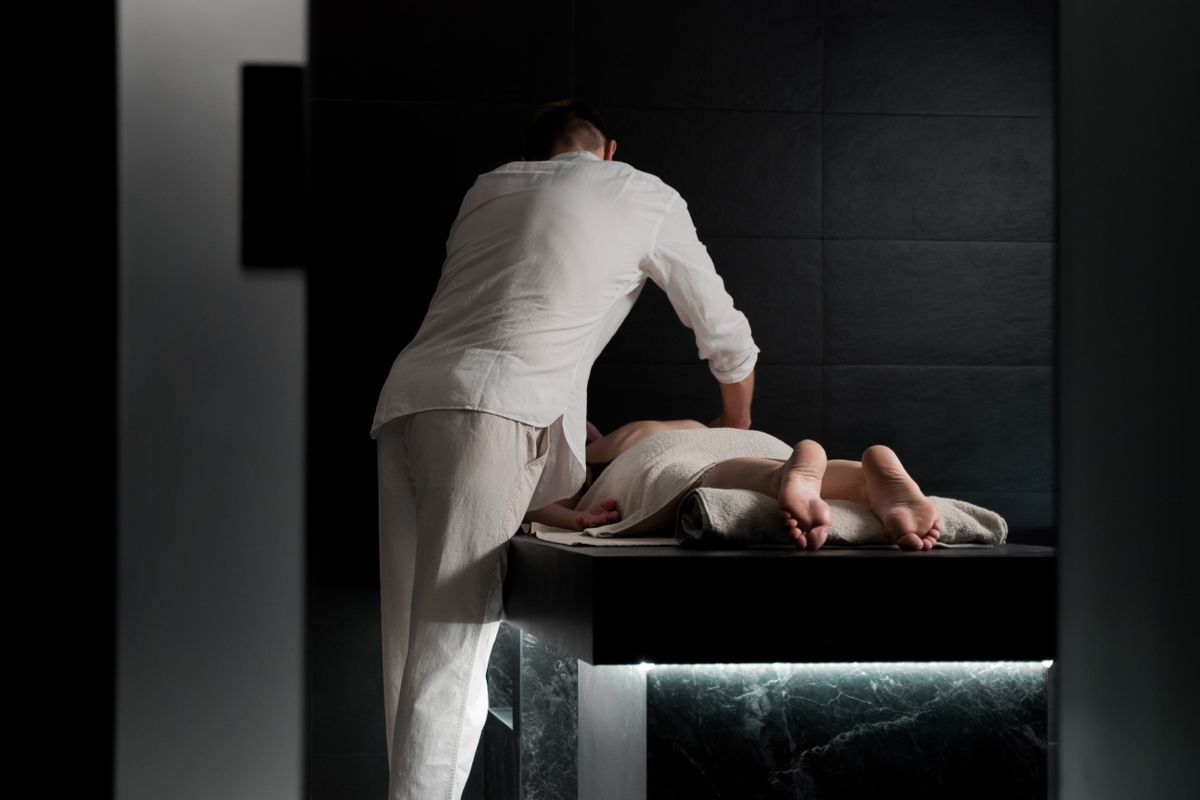
In Ayurvedic medicine, the body is not merely a machine to be maintained — it is a living ecosystem that accumulates waste, absorbs environmental stress, and gradually drifts from its natural equilibrium. Panchakarma, the oldest and most systematic detoxification protocol in the Ayurvedic tradition, was designed to address this reality. The word itself — from pancha (five) and karma (actions) — refers to five specific therapeutic procedures that cleanse the body at its deepest tissue level, eliminate accumulated toxins (ama), and restore the balance of the three doshas. Described in detail in the Charaka Samhita and Sushruta Samhita over two millennia ago, Panchakarma remains the centrepiece of clinical Ayurvedic practice worldwide.
The Three Phases: How Panchakarma Works
Unlike a simple juice cleanse or weekend fast, Panchakarma unfolds in three carefully sequenced phases, each essential to the safety and efficacy of the next. Skipping or rushing any phase compromises the entire process — a principle the classical texts emphasise repeatedly.
Purvakarma: Preparation
Before the main cleansing procedures can begin, the body must be prepared. This preparatory phase, called Purvakarma, typically lasts 3 to 7 days and involves two key processes:
- Snehana (Oleation): Internal and external application of medicated oils or ghee. Internally, increasing doses of medicated ghee are taken on an empty stomach over several days to soften fat-soluble deposits and loosen toxins from the deep tissues. Externally, full-body oil massage (Abhyanga) lubricates the channels and moves ama toward the gastrointestinal tract.
- Swedana (Sudation): Herbal steam therapy applied after oleation to dilate the body's channels (srotas), liquefy the loosened toxins, and direct them toward the digestive tract for elimination.
The classical texts are explicit: without proper Purvakarma, the main procedures cannot work effectively — and may even cause harm. Snehana softens; Swedana mobilises. Together, they ensure ama is ready to be expelled.
Pradhana Karma: The Five Procedures
The heart of Panchakarma consists of five eliminative procedures, each targeting a specific dosha and route of elimination. Not every patient receives all five — the practitioner selects the procedures best suited to the individual's constitution and imbalance.
| Procedure | Sanskrit | Target Dosha | Route | Primary Indications |
|---|---|---|---|---|
| Therapeutic Emesis | Vamana | Kapha | Oral | Respiratory congestion, asthma, chronic sinusitis, skin conditions |
| Therapeutic Purgation | Virechana | Pitta | Rectal | Liver disorders, skin inflammation, acid reflux, blood toxicity |
| Medicated Enema | Basti | Vata | Rectal | Joint pain, neurological conditions, constipation, reproductive issues |
| Nasal Administration | Nasya | All doshas | Nasal | Headaches, sinusitis, neurological conditions, mental clarity |
| Blood Purification | Raktamokshana | Pitta/Blood | Vascular | Chronic skin diseases, gout, localised inflammation |
Basti is traditionally regarded as the most important single procedure — the Charaka Samhita calls it ardha chikitsa (half of all treatment) — because it directly addresses Vata, which Ayurveda considers the primary driver of disease. Basti uses medicated decoctions and oils introduced through the rectum to nourish the colon, the principal seat of Vata, and by extension the entire nervous system.
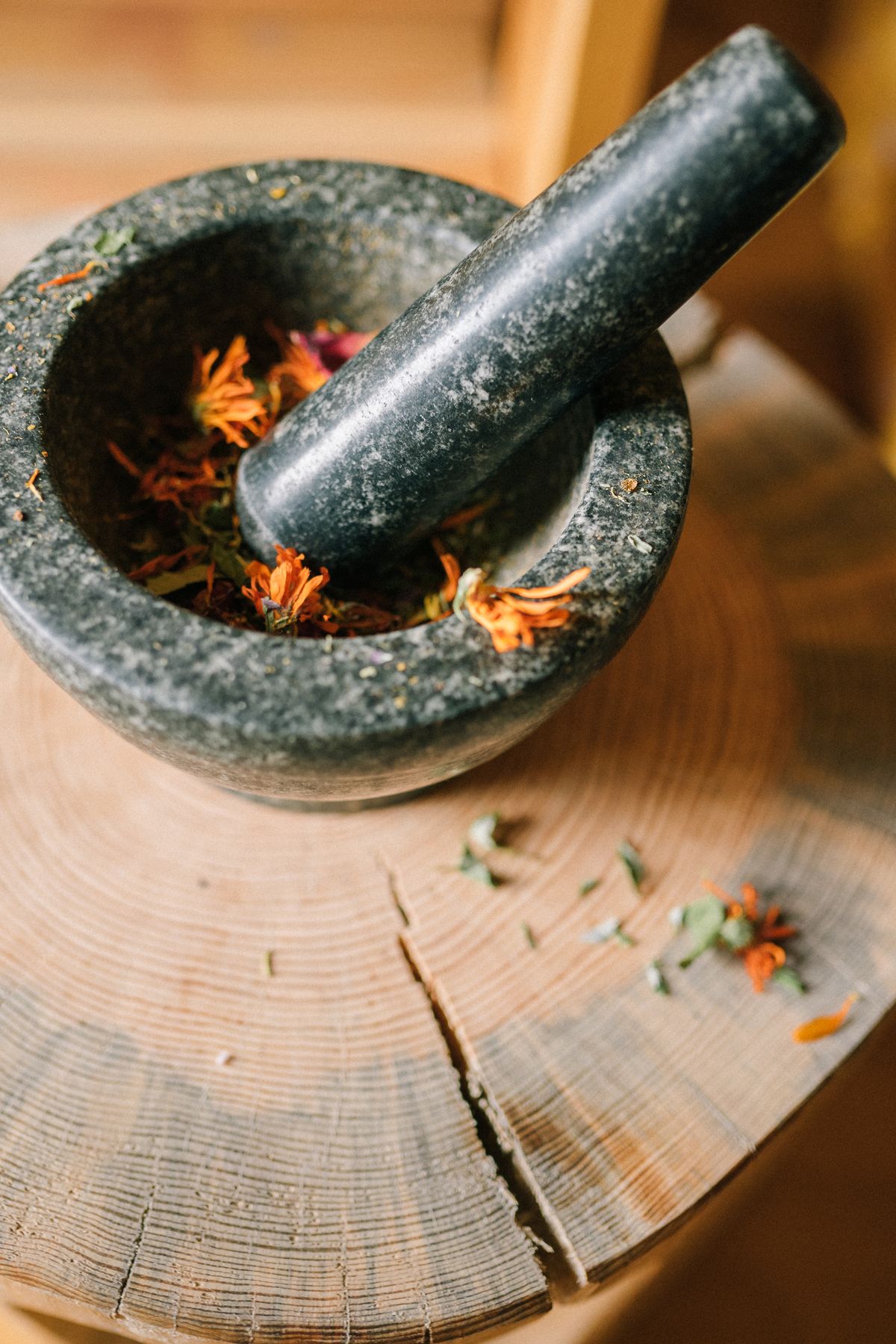 Herbs and botanicals in a mortar and pestle on a wooden board, representing the traditional preparation of Ayurvedic medicines used in Panchakarma
Paschatkarma: Rejuvenation
After the main procedures, the body is in a state of heightened receptivity — cleansed but also depleted. The post-treatment phase, Paschatkarma, is where healing truly consolidates. This phase includes:
- Samsarjana Krama: A graduated dietary protocol that begins with light rice water and progresses slowly through thin porridge, thicker gruel, and eventually normal food — rebuilding digestive fire (agni) step by step
- Rasayana therapy: Administration of rejuvenative herbs and tonics — such as Ashwagandha, Shatavari, Brahmi, and Chyawanprash — to rebuild tissue quality, strengthen immunity (ojas), and extend the benefits of the cleanse
- Lifestyle guidance: Recommendations for sleep, gentle movement, meditation, and seasonal routine to prevent re-accumulation of ama
The classical texts warn that ignoring Paschatkarma is like ploughing a field and never planting seeds — the hard work of detoxification is wasted without the nourishment that follows.
What the Science Says
The scientific literature on Panchakarma is growing, though still limited by small sample sizes and methodological challenges. Several key studies stand out:
A 2002 study published in Alternative Therapies in Health and Medicine by Robert Herron examined whether Panchakarma could reduce fat-soluble environmental toxicants that accumulate in human tissue. In a longitudinal evaluation, 15 subjects underwent a five-day Panchakarma protocol, and their blood was tested before and after treatment. Mean levels of PCBs declined by 46% and beta-HCH (a pesticide) by 58% — reductions that would normally take years, if they occurred at all, without intervention. A parallel cross-sectional study of 48 Panchakarma participants versus 40 controls confirmed significantly lower toxicant levels in the detoxification group.
A 2016 controlled clinical trial published in Scientific Reports (the Self-Directed Biological Transformation Initiative) compared 65 healthy subjects who underwent a six-day Panchakarma-based Ayurvedic programme with 54 controls on a resort holiday. The Panchakarma group showed significant changes in 12 plasma phosphatidylcholines and alterations across metabolic pathways including phospholipid biosynthesis, choline metabolism, and lipoprotein metabolism — measurable shifts in blood chemistry after just six days.
A 2023 systematic review of Panchakarma-based treatment for knee osteoarthritis, published in the International Journal of Ayurvedic Medicine, analysed 10 randomised comparative trials and found consistent positive outcomes for pain reduction, joint mobility, and functional improvement.
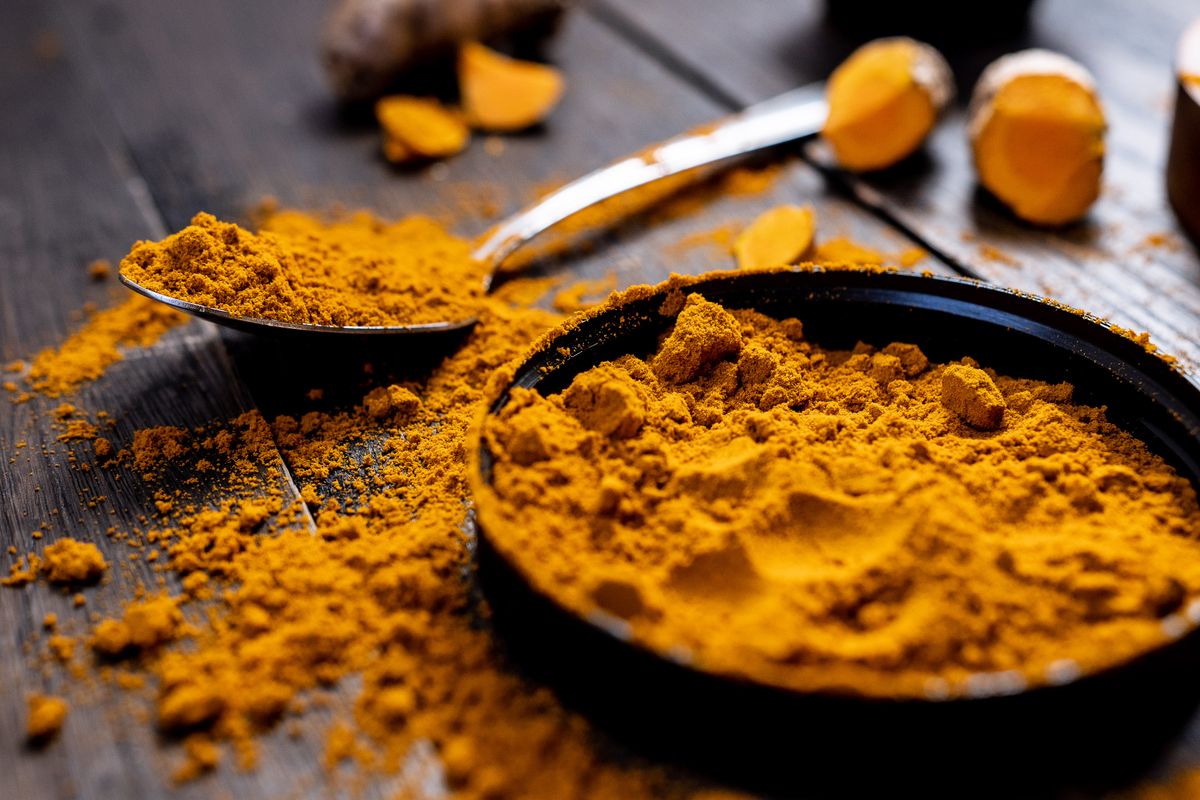 Vibrant turmeric root and powder on a rustic wooden surface, symbolising the healing herbs central to Ayurvedic detoxification and rejuvenation
Who Is Panchakarma For?
Panchakarma is not only for those who are unwell. In the classical framework, it serves three distinct purposes:
- Preventive (Swasthya Rakshana): Seasonal Panchakarma for healthy individuals to prevent disease and maintain optimal balance — the texts recommend treatments at the junctions between seasons (ritu sandhi)
- Curative (Roga Nashana): Targeted Panchakarma protocols for specific conditions, from chronic digestive disorders and skin diseases to joint pain, respiratory illness, and reproductive health concerns
- Rejuvenative (Rasayana): Deep cleansing followed by rejuvenation therapy to slow ageing, enhance immunity, and promote longevity — the classical Ayurvedic equivalent of regenerative medicine
The specific procedures, duration, herbs, and dietary protocols are always tailored to the individual. A Vata-dominant person with joint pain will receive a very different programme from a Pitta-dominant person with chronic skin inflammation. This personalisation is not optional — it is the foundation of the entire system.
Contraindications and Safety
Panchakarma is a powerful intervention and is not appropriate for everyone. The classical texts and modern Ayurvedic guidelines identify clear contraindications:
- Pregnancy and lactation
- Children under 12 and elderly patients with significant debility
- Active fever, acute infections, or severe inflammatory conditions
- Severe cardiac, renal, or hepatic disease
- Extreme weakness or emaciation
- Immediately following surgery
Even for suitable candidates, each procedure carries specific contraindications. Vamana (emesis), for example, is contraindicated in those with high blood pressure or cardiac conditions. Panchakarma must always be conducted under the supervision of a qualified Ayurvedic practitioner — it is clinical medicine, not a wellness retreat add-on.
A Return to the Body's Intelligence
Panchakarma is often described as Ayurveda's most profound therapeutic offering — and for good reason. It does not suppress symptoms or mask imbalance. Instead, it works with the body's own channels and eliminative pathways to remove what should not be there and rebuild what has been depleted. The three-phase structure — prepare, cleanse, rejuvenate — reflects an understanding of the body that is both ancient and remarkably sophisticated: you cannot cleanse without first loosening, and you cannot heal without first cleansing. In a world saturated with environmental toxins, chronic stress, and processed food, this systematic return to balance is not a relic of the past — it is an increasingly relevant path forward.
Sources & Further Reading
Research
- Herron, R. & Fagan, J. (2002). Lipophil-Mediated Reduction of Toxicants in Humans: An Evaluation of an Ayurvedic Detoxification Procedure. Alternative Therapies in Health and Medicine. View on PubMed
- Peterson, C. et al. (2016). Identification of Altered Metabolomic Profiles Following a Panchakarma-based Ayurvedic Intervention in Healthy Subjects: The Self-Directed Biological Transformation Initiative (SBTI). Scientific Reports. View on Nature
- Dhiman, K. et al. (2012). Panchakarma: Ayurvedic Detoxification and Allied Therapies — Is There Any Evidence? Evidence-Based Practice in Complementary and Alternative Medicine, Springer. View on Springer
- Kessler, C. et al. (2023). A Systematic Review on Panchakarma-Based Ayurveda Treatment in Janu Sandhigata Vata (Knee Osteoarthritis). International Journal of Ayurvedic Medicine. View Article
- Rastogi, S. (2023). Management of Amavata with Panchakarma Treatment — A Case Report. Journal of Ayurveda Case Reports. View on LWW
Further Reading
- Introduction to Panchakarma Treatment — The Ayurvedic Institute
- Panchakarma Therapy Explained — Soukya International Holistic Health Centre
- Rasayana: The Ayurvedic Path to Rejuvenation — Purusha Ayurveda
- Mainstreaming Ayurveda Rasayana Therapy — Journal of Indian System of Medicine
Image Credits
- Cover: A person receiving a therapeutic massage — Pexels
- Herbs in a mortar and pestle on a wooden board — Pexels
- Turmeric root and powder on a rustic surface — Pexels
All images free to use under the Pexels License.