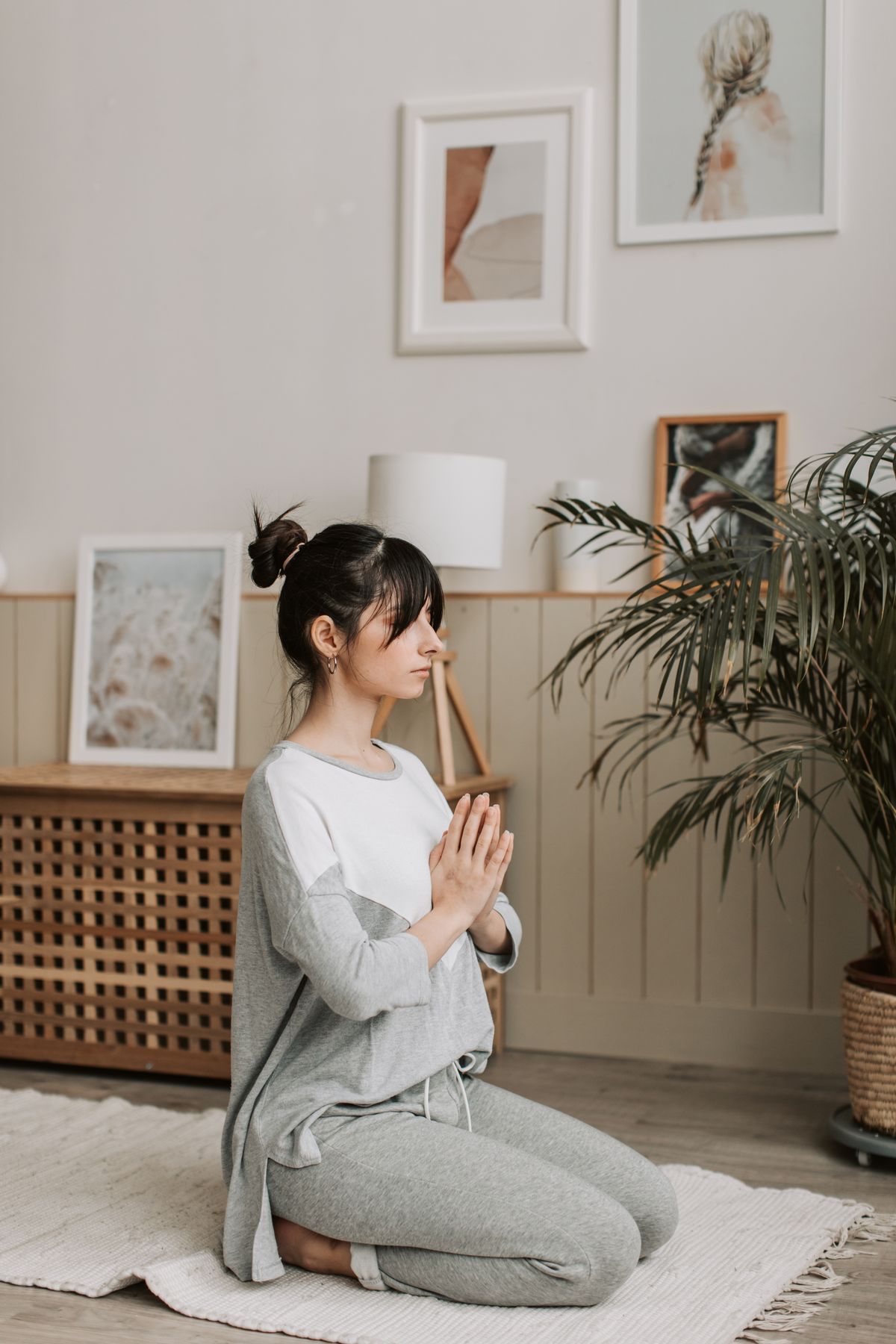
The World Health Organisation formally classified burnout as an occupational phenomenon in 2019, but Ayurveda recognised its underlying dynamics thousands of years earlier. In the Charaka Samhita, the concept of Prajnaparadha — an error of the intellect in which a person knowingly acts against their own nature — describes precisely the pattern that drives modern burnout: ignoring the body's signals, overriding fatigue with stimulants, and sacrificing rest for productivity. Today, with 82% of employees at risk of burnout and global productivity losses exceeding $438 billion annually, the ancient science of Ayurveda offers strategies that address not just the symptoms of chronic stress, but its root cause.
Understanding Stress Through the Ayurvedic Lens
Ayurveda does not treat stress as a single condition. Instead, it recognises that stress manifests differently depending on an individual's constitutional makeup — their Prakriti — and the specific doshas that have become aggravated.
The mind, according to classical texts, is governed by three fundamental qualities called gunas: Sattva (clarity and balance), Rajas (activity and agitation), and Tamas (inertia and heaviness). Mental health, in Ayurvedic terms, is the predominance of Sattva — a state the Charaka Samhita defines as "prasanna atma indriya manah": a joyful, stress-free alignment of soul, senses, and mind. When chronic stress takes hold, Rajas and Tamas overwhelm Sattva, and the doshas begin to destabilise.
How Each Dosha Responds to Stress
| Dosha | Stress Response | Physical Symptoms | Emotional Symptoms | Recovery Priority |
|---|---|---|---|---|
| Vata | Anxiety and overwhelm | Insomnia, tremors, irregular digestion, cold extremities | Racing thoughts, fear, inability to focus | Grounding, warmth, routine |
| Pitta | Irritability and control | Acid reflux, skin inflammation, headaches, overheating | Anger, perfectionism, frustration, cynicism | Cooling, surrender, nature |
| Kapha | Withdrawal and stagnation | Lethargy, weight gain, congestion, oversleeping | Emotional eating, apathy, resistance to change | Stimulation, movement, novelty |
Most cases of severe burnout present as a Vata-Pitta imbalance — an overdriven, fiery mind fuelled by ambition and deadlines, coupled with a nervous system that has lost its ability to rest. The Charaka Samhita warns that when stress provokes both Rajas and Tamas, the resulting mental disorders include chinta (anxiety), krodha (anger), bhaya (fear), and shoka (grief) — a constellation that maps remarkably well onto modern burnout diagnostics.
 Exhausted man working at laptop showing signs of workplace burnout
Adaptogenic Herbs: Ayurveda's Pharmacological Response to Stress
Ayurveda's herbal tradition offers a class of plants known as Rasayanas — rejuvenative tonics that rebuild depleted tissues and restore resilience. Several of these herbs have now been validated by rigorous clinical research.
Ashwagandha (Withania somnifera)
Ashwagandha is the most extensively studied Ayurvedic adaptogen for stress. Its bioactive compounds — primarily withanolides — modulate the hypothalamic-pituitary-adrenal (HPA) axis, the body's central stress response system. A landmark 2019 randomised, double-blind, placebo-controlled trial by Lopresti et al. found a 23% reduction in morning serum cortisol in the ashwagandha group over eight weeks, with comparable reductions in both men (22%) and women (25%). A 2025 systematic review and meta-analysis published in SAGE Journals confirmed significant cortisol reduction across multiple trials, with dosages of 300–600 mg daily yielding the most pronounced effects.
Brahmi (Bacopa monnieri)
Classified as a Medhyarasayana — a nervine tonic for mental health — Brahmi has demonstrated both cognitive-enhancing and anxiolytic properties in human trials. A randomised, double-blind, placebo-controlled trial in elderly participants found that Brahmi significantly reduced depression and anxiety scores while the placebo group's scores worsened. An acute dosing study published in PubMed showed positive mood effects and reduced cortisol levels, pointing to a physiological mechanism for stress reduction.
Jatamansi (Nardostachys jatamansi)
Jatamansi is Ayurveda's traditional remedy for an overactive nervous system. Preclinical research demonstrates that it produces anxiolytic effects mediated by the GABA-benzodiazepine receptor complex, with significant increases in brain monoamine and GABA neurotransmitter levels. A compound within the plant — jatamansone — was identified as having tranquillising activity as early as 1962, and modern studies continue to confirm its neuroprotective and antidepressant potential.
| Herb | Evidence Level | Cortisol Reduction | Primary Action |
|---|---|---|---|
| Ashwagandha | Multiple RCTs | 11–23% (serum) | HPA axis modulation, GABAergic signalling |
| Brahmi | Several RCTs | Measurable (acute) | Bacoside activity, cortisol reduction |
| Jatamansi | Preclinical + limited human | Under investigation | GABA-benzodiazepine complex, monoamine modulation |
| Tulsi | Preliminary | Up to 36% | Adaptogenic, anti-inflammatory |
Breathwork and Contemplative Practices
Ayurveda's approach to stress extends well beyond herbal supplementation. The tradition prescribes specific Pranayama (breathing techniques) and contemplative practices that modern neuroscience is beginning to validate at the level of brain circuitry.
Nadi Shodhana (Alternate Nostril Breathing)
This Pranayama technique balances the flow of prana through the ida (left, lunar) and pingala (right, solar) energy channels. It is recommended for all dosha types and is particularly effective for Vata-type anxiety. The practice calms the sympathetic nervous system and promotes parasympathetic dominance within minutes.
Yoga Nidra (Yogic Sleep)
A 2025 randomised controlled trial published in Stress and Health (Wiley) enrolled 362 participants and found that even 11-minute daily Yoga Nidra sessions produced significant improvements in wellbeing, with reductions in total cortisol output and steeper diurnal cortisol slopes — indicating a healthier stress hormone rhythm. The researchers noted that regular practice facilitated a state of parasympathetic nervous system dominance, reducing blood pressure alongside cortisol.
Bhramari Pranayama (Humming Bee Breath)
A 2024 clinical study published in the Journal of Ayurveda examined Bhramari Pranayama's effects on patients with insomnia and found it significantly reduced serum cortisol, restoring hormonal balance and improving sleep quality. This aligns with the classical Ayurvedic indication for Bhramari as a practice that calms the mind and balances both Vata and Pitta.
 Sunlight filtering through a calm forest canopy on a peaceful morning
Dinacharya: The Daily Routine as Medicine
Perhaps Ayurveda's most powerful anti-stress strategy is also its simplest: Dinacharya, the daily routine. The Charaka Samhita prescribes a structured rhythm of waking, cleansing, nourishing, and resting that anchors the nervous system in predictability — the antithesis of the chaotic modern schedule that fuels burnout.
A stress-resilient Dinacharya includes:
- Wake before sunrise — aligning with the body's natural cortisol rhythm, which peaks between 06:00 and 08:00
- Oil pulling and tongue scraping — removing accumulated ama (toxins) and stimulating the vagus nerve
- Abhyanga (warm oil self-massage) — a 10–15 minute practice that reduces Vata, calms the nervous system, and nourishes the skin. Sesame oil for Vata, coconut for Pitta, and mustard for Kapha
- Pranayama or meditation — even 11 minutes of practice has measurable cortisol-lowering effects
- Warm, dosha-appropriate breakfast — eaten mindfully, without screens
- Midday as the main meal — when Agni (digestive fire) is strongest, supporting both digestion and sustained afternoon energy
- Evening wind-down — gentle yoga, warm milk with nutmeg or ashwagandha, and digital disconnection at least one hour before sleep
- Sleep by 22:00 — the Kapha period (18:00–22:00) naturally promotes heaviness and drowsiness; staying up past this window activates Pitta and disrupts sleep
The critical insight is that consistency matters more than perfection. Adopting even three or four of these practices creates an anchor of stability that buffers the nervous system against the unpredictable demands of modern life.
Sattvavajaya: Ayurveda's Original Psychotherapy
The Charaka Samhita describes a non-pharmacological treatment modality called Sattvavajaya Chikitsa — literally, "the conquest of Sattva." This is Ayurveda's form of psychotherapy, centred on withdrawing the mind from harmful objects and cultivating five key mental faculties:
- Jnana — knowledge of the self
- Vijnana — scientific or discriminative knowledge
- Dhairya — courage and restraint
- Smriti — memory and self-awareness
- Samadhi — deep concentration and meditative absorption
In modern terms, these map onto cognitive reframing, psychoeducation, emotional regulation, mindfulness, and contemplative practice — the very components of evidence-based stress interventions like Cognitive Behavioural Therapy and Mindfulness-Based Stress Reduction. The ancient framework, however, embeds these within a broader understanding of constitutional individuality and seasonal rhythm that personalises the approach in ways modern protocols are only beginning to explore.
 A calming herbal tea with lavender and aromatic herbs in a teacup
From Depletion to Restoration
Burnout, in Ayurvedic terms, is ultimately a crisis of Ojas — the subtle essence of vitality, immunity, and contentment that is built through proper nutrition, rest, and alignment with one's nature. When Ojas is depleted, no amount of willpower, caffeine, or productivity hacking can compensate. The body requires genuine rebuilding — through nourishing foods, restorative sleep, adaptogenic herbs, and the deliberate removal of what Ayurveda calls the three causes of disease: overuse, misuse, and disuse of the body, senses, and mind.
In a world that celebrates relentless output, Ayurveda offers a fundamentally different paradigm: health is not the absence of disease, but the presence of balance. The strategies outlined in the Charaka Samhita — daily routine, constitutional awareness, herbal support, breathwork, and self-knowledge — were not designed for a simpler era. They were designed for the human nervous system, which has not changed in the millennia since they were written. That is precisely why they remain so effective today.
Sources & Further Reading
Research
- Lopresti, A.L. et al. (2019). An investigation into the stress-relieving and pharmacological actions of an ashwagandha extract: A randomized, double-blind, placebo-controlled study. Medicine, 98(37). View on PubMed
- Albalawi, A. (2025). Dual impact of Ashwagandha: Significant cortisol reduction but no effects on perceived stress — A systematic review and meta-analysis. SAGE Journals. View on SAGE
- Moszeik, E.N. et al. (2025). The effects of an online Yoga Nidra meditation on subjective well-being and diurnal salivary cortisol: A randomised controlled trial. Stress and Health, Wiley. View on PMC
- Calabrese, N.D. et al. (2020). Effects of yoga respiratory practice (Bhastrika pranayama) on anxiety, affect, and brain functional connectivity and activity: A randomized controlled trial. View on PMC
- Roodenrys, S. et al. (2002). Chronic effects of Brahmi (Bacopa monnieri) on human memory. Neuropsychopharmacology. View on PubMed
- Benson, S. et al. (2014). An acute, double-blind, placebo-controlled cross-over study of 320 mg and 640 mg doses of Bacopa monnieri on multitasking stress reactivity and mood. View on PubMed
- Prabhu, R. et al. (2018). Anxiolytic actions of Nardostachys jatamansi via GABA benzodiazepine channel complex mechanism. Metabolic Brain Disease. View on PubMed
Further Reading
- Ayurveda for Stress, Anxiety, and Burnout Relief — Vande Wellness
- Reviving from Burnout: Ayurvedic Rituals — The Room Psy
- Manas (Mind and Mental Health) — Charaka Samhita Online
- Prajnaparadha — Charaka Samhita Online
Image Credits
- Cover: Woman meditating at home — Pexels
- Exhausted man working at laptop — Pexels
- Summer morning in calm forest — Pexels
- Herbal tea with lavender — Pexels
All images free to use under the Pexels License.