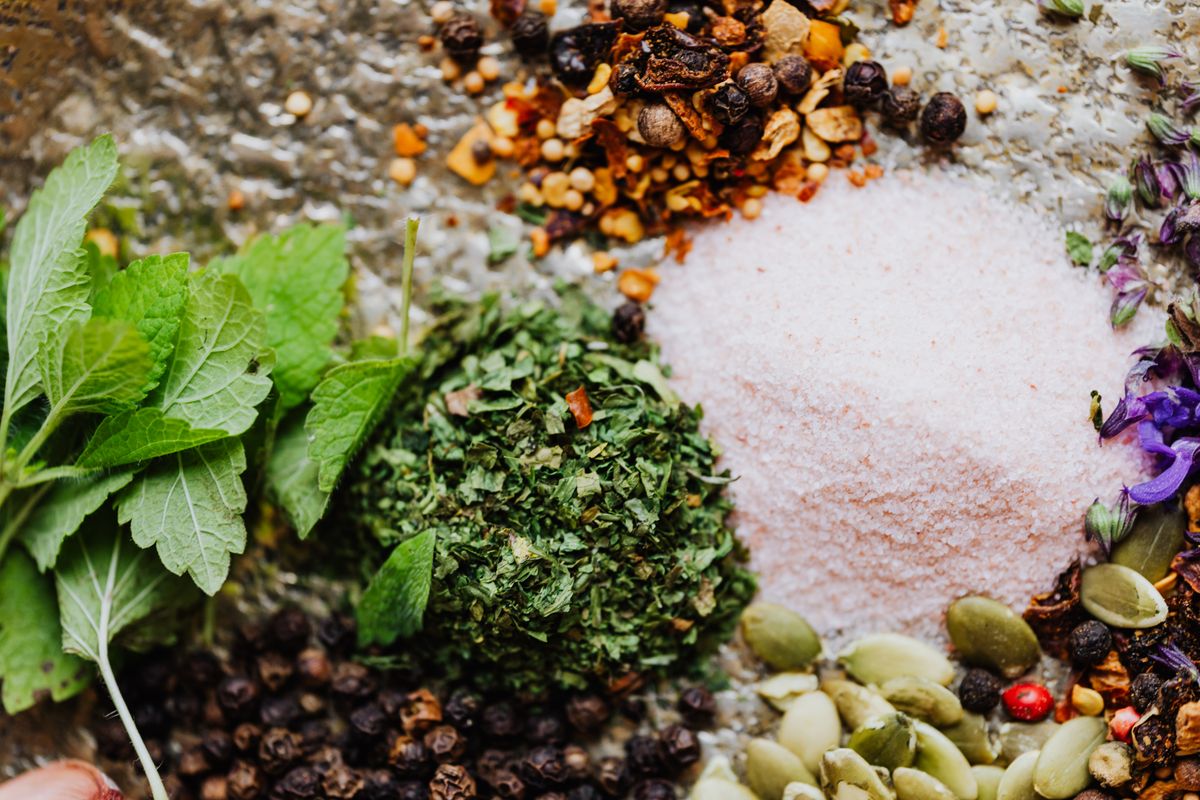
The three doshas — Vata, Pitta, and Kapha — are the cornerstone of Ayurvedic medicine. More than abstract categories, they are living forces that shape how you think, digest, move, and feel. Understanding them is the first step toward a personalised approach to health that Ayurveda has refined over five millennia.
What Are the Doshas?
In Ayurvedic philosophy, everything in the manifest world arises from five elements: earth (prithvi), water (jala), fire (agni), air (vayu), and ether (akasha). The doshas are functional principles formed by specific pairings of these elements:
- Vata = Air + Ether
- Pitta = Fire + Water
- Kapha = Earth + Water
These three forces govern every biological process — from cellular division to emotional response. When they exist in the ratio unique to your birth constitution (prakriti), you experience health. When one or more accumulates beyond that ratio, you develop vikriti — imbalance — and eventually, disease.
The principle is deceptively simple: like increases like, and opposites restore balance. A cold, windy autumn aggravates Vata (which is already cold and mobile). Warm, grounding foods and routines bring it back to equilibrium. This logic runs through every Ayurvedic recommendation, from diet to daily routine to herbal medicine.
Vata: The Force of Movement
Vata embodies movement and change. Composed of air and ether, it is the most subtle and mobile of the three doshas. It governs everything that moves in the body — nerve impulses, blood circulation, respiration, elimination, and the flow of thoughts.
Qualities: dry, light, cold, rough, subtle, mobile
Physical characteristics: Vata-dominant individuals tend to have a light, slender frame, dry skin and hair, cold hands and feet, and variable digestion. They often eat and sleep irregularly.
Mental and emotional profile: Creative, enthusiastic, quick-thinking, and adaptable. Vata minds generate ideas rapidly but may struggle with follow-through.
When imbalanced: Anxiety, insomnia, constipation, dry skin, joint pain, restlessness, and difficulty concentrating. Vata is the first dosha to go out of balance and is involved in the majority of clinical conditions described in classical Ayurvedic texts.
Season: Late autumn and early winter — the cold, dry, windy months.
 Woman practising yoga in a balanced pose, embodying the harmony Ayurveda seeks to restore
Pitta: The Force of Transformation
Pitta governs transformation and metabolism. Formed from fire and water, it is the force that converts food into energy, sensory data into understanding, and experience into intelligence.
Qualities: hot, sharp, oily, liquid, spreading, intense
Physical characteristics: Medium build, warm skin, strong appetite, efficient digestion, and a tendency toward premature greying or thinning hair. Pitta types often have a warm body temperature and may perspire easily.
Mental and emotional profile: Intelligent, focused, ambitious, and articulate. Pitta minds are sharp and decisive, with a natural capacity for leadership and organisation.
When imbalanced: Inflammation, acid reflux, skin rashes, burning sensations, excessive sweating, irritability, anger, and a critical or competitive temperament. Excess Pitta tends to manifest as heat — in the body, in the digestion, and in the emotions.
Season: Summer and early autumn, when environmental heat peaks.
Kapha: The Force of Structure
Kapha provides stability, lubrication, and cohesion. Composed of earth and water, it is the densest and most grounding of the three doshas. It builds tissue, maintains immunity, and governs the body's structural integrity.
Qualities: heavy, slow, cool, oily, smooth, stable, dense
Physical characteristics: Sturdy, well-built frame with strong stamina. Kapha types tend to have thick hair, smooth skin, and large, calm eyes. Digestion is steady but slow.
Mental and emotional profile: Patient, loyal, grounded, compassionate, and methodical. Kapha minds are steady and retentive — they learn slowly but never forget.
When imbalanced: Weight gain, water retention, sinus congestion, excessive sleep, lethargy, depression, and resistance to change. Excess Kapha manifests as heaviness — physical, mental, and emotional.
Season: Late winter and spring, when cold, damp conditions dominate.
The Doshas at a Glance
| Attribute | Vata (Air + Ether) | Pitta (Fire + Water) | Kapha (Earth + Water) |
|---|---|---|---|
| Primary function | Movement | Transformation | Structure |
| Key qualities | Dry, light, cold, mobile | Hot, sharp, oily, intense | Heavy, slow, cool, stable |
| Body frame | Slender, light | Medium, muscular | Sturdy, broad |
| Digestion | Variable, irregular | Strong, fast | Slow, steady |
| Mind | Creative, restless | Sharp, focused | Calm, methodical |
| Imbalance signs | Anxiety, constipation, insomnia | Inflammation, acidity, irritability | Congestion, weight gain, lethargy |
| Season | Autumn–early winter | Summer–early autumn | Late winter–spring |
| Balancing tastes | Sweet, sour, salty | Sweet, bitter, astringent | Pungent, bitter, astringent |
The Science Behind the Doshas
While dosha theory originated thousands of years before modern molecular biology, recent research has begun to reveal measurable biological correlates for these constitutional types.
A landmark genome-wide study conducted at the CSIR Centre for Cellular and Molecular Biology in India screened 3,416 healthy males and selected 262 individuals with extreme single-dosha dominance. Using approximately one million genetic markers (SNPs), researchers identified 52 SNPs that distinctly differentiate Vata, Pitta, and Kapha prakriti types — published in Scientific Reports (Nature, 2015).
Pharmacogenomics studies have linked dosha types to polymorphisms in cytochrome P450 genes (CYP2C19, CYP2D6, CYP3A4), which govern drug metabolism. Pitta individuals tend to show rapid-metaboliser genotypes, while Kapha types trend toward slow-metaboliser variants — a finding with direct implications for personalised dosing.
Additional research has connected Kapha prakriti to variants in the FTO and LEPR genes associated with metabolic syndrome and obesity, while Pitta types show overexpression of immune-response pathway genes and elevated haemoglobin levels. A machine learning study validated that prakriti types form distinct, verifiable clusters within a multidimensional space of phenotypic traits — confirming that the classification is not arbitrary but rooted in observable biology.
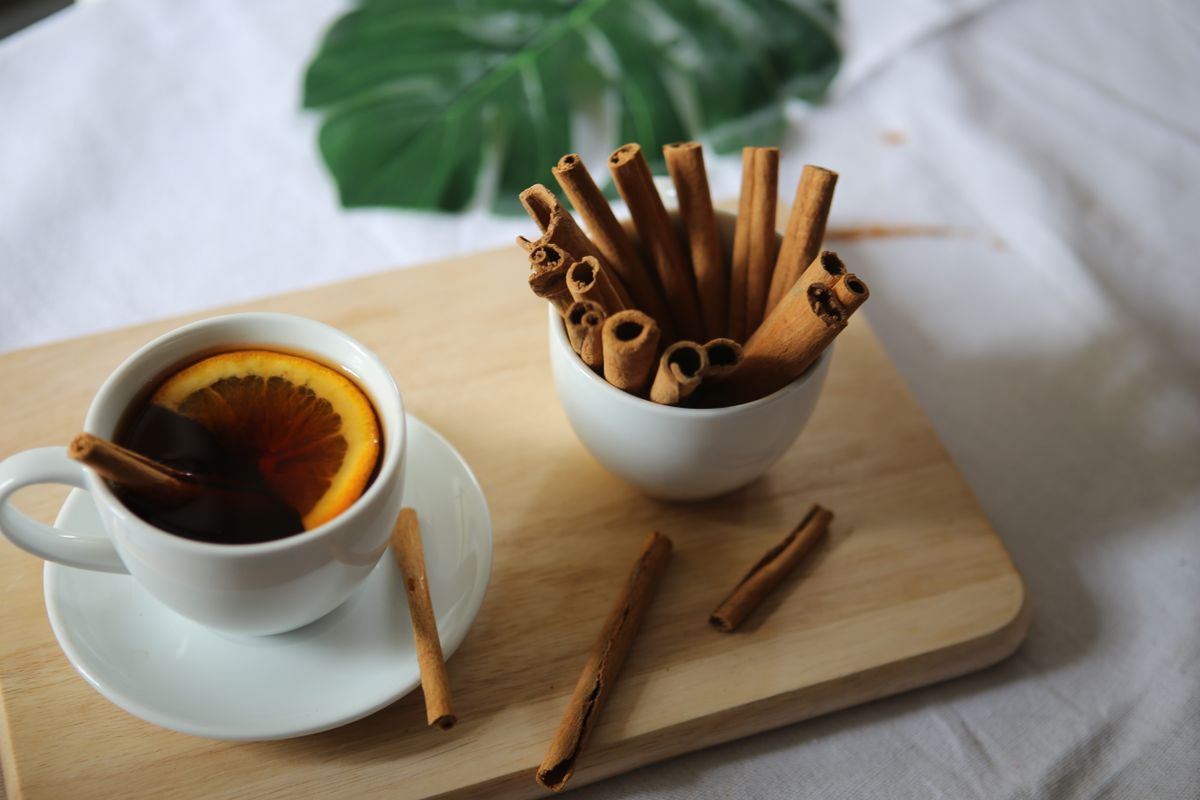 Warm herbal tea with spices, a traditional Ayurvedic approach to supporting digestion and balance
How to Begin Working with Your Dosha
Understanding your dosha is not an intellectual exercise — it is a practical framework for daily living. Here is where to start:
-
Get a professional assessment — While online quizzes offer orientation, pulse diagnosis (nadi pariksha) by a qualified Ayurvedic practitioner provides the most accurate reading of both your prakriti and vikriti.
-
Observe your imbalances — The dosha that aggravates most easily in your life is usually your dominant one. Track patterns: Do you tend toward anxiety or lethargy? Dry skin or oily? Constipation or loose stools?
-
Apply opposites through food — Favour foods with qualities opposite to your dominant dosha. Warm, oily meals for Vata; cool, bitter foods for Pitta; light, spicy dishes for Kapha.
-
Align with the seasons — Adjust your diet and routine as the seasons shift. Everyone benefits from Vata-pacifying practices in autumn, Kapha-reducing habits in spring, and Pitta-cooling measures in summer.
-
Establish routine — A consistent daily rhythm (dinacharya) is one of the most powerful tools for keeping all three doshas in equilibrium.
The doshas are not labels to box yourself into — they are a language for understanding the patterns of your own body and mind. When you learn to read them, you gain something rare: the ability to act before imbalance becomes illness.
Sources & Further Reading
Research
- Prasher, B. et al. (2015). Genome-wide analysis correlates Ayurveda Prakriti. Scientific Reports (Nature). View on Nature
- Ghodke, Y. et al. (2011). Traditional Medicine to Modern Pharmacogenomics: Ayurveda Prakriti Type and CYP2C19 Gene Polymorphism. Evidence-Based Complementary and Alternative Medicine. View on PubMed
- Rotti, H. et al. (2014). Immunophenotyping of normal individuals classified on the basis of human dosha prakriti. Journal of Ayurveda and Integrative Medicine. View on PMC
- Aggarwal, S. et al. (2010). EGLN1 involvement in high-altitude adaptation revealed through genetic analysis of extreme constitution types defined in Ayurveda. PNAS. View on PNAS
- Tiwari, S. et al. (2017). Recapitulation of Ayurveda constitution types by machine learning of phenotypic traits. PLOS ONE. View on PMC
Further Reading
- What Are the Ayurveda Doshas? — Healthline
- Ayurvedic Body Types — Banyan Botanicals
- Prakriti Assessment in Ayurveda — Frontiers in Medicine
Image Credits
- Cover: Various spices and herbs — Pexels
- Woman doing yoga — Pexels
- Herbal tea with spices — Pexels
All images free to use under the Pexels License.