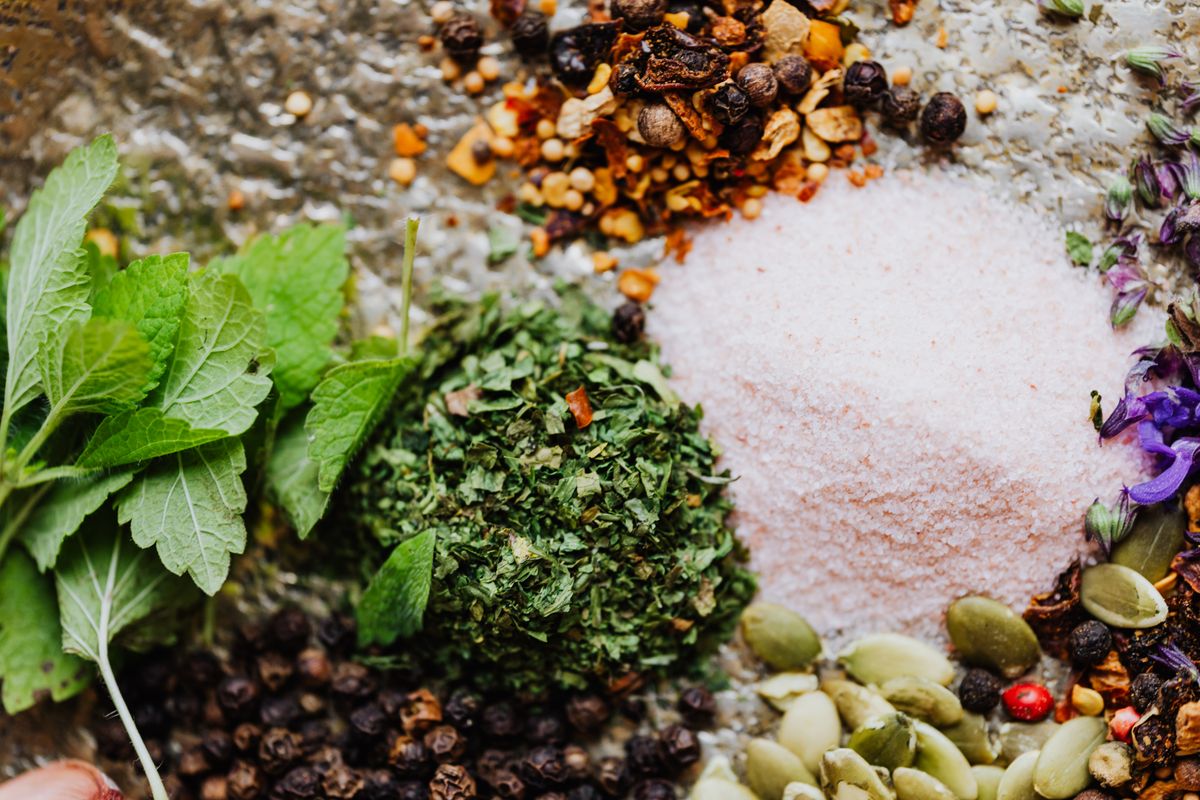
Of all the formulations in the Ayurvedic pharmacopoeia, few hold a more central place than Triphala — the "three fruits." Composed of Amalaki, Bibhitaki, and Haritaki in equal measure, this polyherbal remedy has been prescribed continuously for over two millennia as the foundation of digestive health, gentle detoxification, and systemic rejuvenation. The Charaka Samhita — one of Ayurveda's oldest surviving texts — goes so far as to claim that taking Triphala with honey and ghee daily "has the potential to make a person live for one hundred years devoid of old age and diseases." Today, a growing body of peer-reviewed research is beginning to validate what practitioners have long observed: Triphala is far more than a simple laxative.
The Three Fruits: A Synergistic Formula
What distinguishes Triphala from a single-herb remedy is the deliberate synergy of its three components. Each fruit addresses a specific dosha and region of the gastrointestinal tract, while together they produce effects greater than any one fruit alone.
| Fruit | Sanskrit Name | Latin Name | Primary Dosha | Key Bioactive Compounds | Traditional Role |
|---|---|---|---|---|---|
| Indian Gooseberry | Amalaki | Emblica officinalis | Pitta | Vitamin C, gallic acid, ellagic acid | Cooling, anti-inflammatory, antioxidant |
| Belleric Myrobalan | Bibhitaki | Terminalia bellerica | Kapha | Tannins, gallic acid, lignans | Removes excess mucus, supports metabolism |
| Chebulic Myrobalan | Haritaki | Terminalia chebula | Vata | Chebulinic acid, chebulagic acid, tannins | Tones intestinal wall, promotes motility |
Amalaki is one of the richest natural sources of vitamin C and functions as a powerful antioxidant and Pitta-pacifier, cooling inflammation throughout the digestive tract and supporting the health of the intestinal villi. Bibhitaki targets Kapha imbalances, clearing excess mucus and stagnation from the gut wall and supporting healthy metabolic function. Haritaki — called the "King of Medicines" (Haritaki raja) in classical texts — soothes Vata, toning the muscular wall of the intestines and promoting healthy peristalsis.
Together, the three fruits deliver a formulation containing approximately 35% tannins and 40% polyphenols, including gallic acid, ellagic acid, chebulinic acid, and flavonoids — compounds that underpin Triphala's antioxidant, anti-inflammatory, and antimicrobial activity.
Digestive Health: From Traditional Use to Clinical Evidence
The strongest traditional and scientific case for Triphala centres on gastrointestinal health. In Ayurvedic practice, Triphala is classified as an anulomana — a substance that restores the natural downward movement of Vata in the gut, promoting regular elimination without dependence or irritation.
Clinical trials have begun to validate these observations. A study in patients with functional gastrointestinal disorders found that Triphala reduced constipation, mucus, abdominal pain, hyperacidity, and flatulence — with statistically significant improvements in bowel frequency (p < 0.001) and stool consistency. Unlike stimulant laxatives such as senna, Triphala does not appear to cause dependency or electrolyte depletion at standard doses, making it suitable for longer-term use.
A 2021 randomised controlled trial published in Phytomedicine evaluated Triphala in patients with irritable bowel syndrome (IBS) and found that 1,000 mg twice daily improved IBS symptoms by approximately 40% over placebo after just four weeks of treatment.
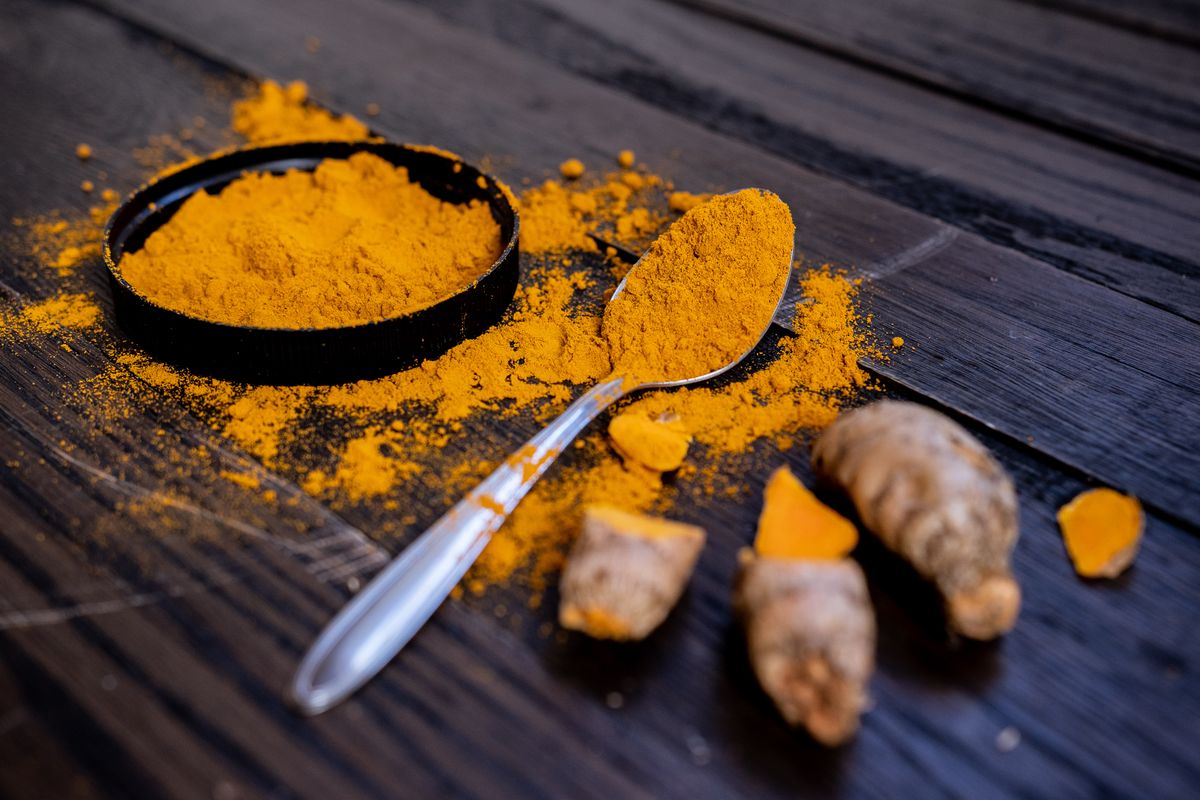 Close-up of vibrant turmeric root and powder on a dark wooden surface, evoking the rich botanical tradition behind Ayurvedic herbal formulations like Triphala
The Gut Microbiome Connection
Perhaps the most compelling modern finding about Triphala concerns its role as a prebiotic — a substance that selectively feeds beneficial gut bacteria. A landmark 2017 review in the Journal of Alternative and Complementary Medicine noted that the polyphenols in Triphala "promote the growth of beneficial Bifidobacteria and Lactobacillus while inhibiting undesirable gut microbes" — a selective modulation that distinguishes prebiotics from broad-spectrum antimicrobials.
This prebiotic activity has been confirmed experimentally. A 2018 study by Westfall, Lomis, and Prakash designed a novel synbiotic formulation combining Triphala with three probiotic strains (Lactobacillus plantarum, L. fermentum, and Bifidobacteria infantis). Using in vitro batch cultures, a Drosophila melanogaster model, and a simulated human gastrointestinal tract (SHIME), the researchers demonstrated that Triphala supported the growth of beneficial bacteria while inhibiting pathogenic species across every model tested. The synbiotic combination produced effects superior to either component alone.
The downstream effects of this microbial modulation are significant. Beneficial bacteria stimulated by Triphala's polyphenols produce short-chain fatty acids (SCFAs) — particularly butyrate, propionate, and acetate — which strengthen the gut epithelial barrier, reduce intestinal inflammation, and modulate immune function. This mechanism may partly explain why Triphala has traditionally been considered effective for a range of conditions well beyond simple constipation.
Beyond the Gut: Metabolic and Systemic Benefits
The clinical evidence for Triphala extends beyond digestive function into metabolic health, immune modulation, and antioxidant defence:
Weight and Metabolic Parameters
A 2021 systematic review pooling data from 12 randomised controlled trials with 749 patients found that Triphala-treated groups showed significant reductions in LDL cholesterol, total cholesterol, triglycerides, and fasting blood glucose (in diabetic patients). Five of these trials reported significant decreases in body weight, BMI, and waist circumference in overweight and obese populations. A 12-week double-blind, randomised placebo-controlled trial reported that subjects treated with Triphala lost approximately 5 kg compared to the placebo group, with concurrent reductions in fasting blood sugar and insulin.
A 2025 meta-analysis following PRISMA guidelines, analysing five studies on oral Triphala, confirmed a statistically significant decline in body weight (mean difference = −2.4 kg, 95% CI: −4.2 to −0.6, p = 0.01), though with high heterogeneity between studies.
Antioxidant and Anti-Inflammatory Activity
Laboratory studies have shown that Triphala increases the activities of key antioxidant enzymes — superoxide dismutase (SOD), catalase, glutathione-S-transferase, and glutathione peroxidase — by 55–82% in arthritic animal models. Multiple studies have demonstrated its ability to downregulate pro-inflammatory cytokines (TNF-α, IL-1β, IL-6) and inhibit the NF-κB inflammatory signalling pathway and COX-2 expression. A 2025 comprehensive review confirmed that these effects are mediated primarily by gallic acid, chebulagic acid, and chebulinic acid.
Immune Function
A Phase I clinical trial evaluated Triphala's immunostimulatory effects in healthy volunteers who took three capsules daily for two weeks. The study found significant increases in cytotoxic T lymphocytes and natural killer (NK) cells — key components of the body's innate immune defence — with no adverse effects reported.
 Healthy herbs, ginger, turmeric, and a warm drink arranged on a wooden tray, representing the natural wellness traditions central to Ayurvedic digestive formulations
Dosage, Safety, and Contraindications
Dosage Guidelines
The most commonly studied dosage in clinical trials is 500 mg to 1,000 mg once or twice daily. Traditional Ayurvedic practice recommends Triphala Churna (powder) mixed with warm water, honey, or ghee — taken before bedtime for digestive regulation or in the morning for general rejuvenation. Standardised tablets have shown equivalent bioavailability of key compounds such as gallic acid. Benefits typically appear after four weeks, with most trials running for 8 to 12 weeks.
Safety Profile
Triphala is generally well tolerated at recommended dosages. A comprehensive 270-day chronic toxicity study in Sprague-Dawley rats using doses up to 2,400 mg/kg found no significant adverse effects on organ function, haematology, or histopathology. Common mild side effects in humans include:
- Loose stools or diarrhoea — particularly at higher doses or when taken on an empty stomach
- Gas and bloating — typically diminishes as the body adjusts
- Mild nausea — minimised by taking with food
Contraindications
- Pregnancy and lactation — Triphala may act as a uterine stimulant
- Acute diarrhoea, dysentery, or active peptic ulcers
- Children under 6 — insufficient safety data
- Concurrent anticoagulant therapy — Triphala may potentiate blood-thinning medications; INR should be monitored
- Blood sugar-lowering medications — potential additive hypoglycaemic effect
Long-term use beyond three months should be supervised by a qualified practitioner, and periodic breaks are traditionally recommended to prevent habituation.
Three Fruits, One Intelligence
The genius of Triphala lies not in any single compound but in the balance of its composition — three fruits, each addressing a different dosha and a different layer of the gastrointestinal tract, working together to produce effects that none could achieve alone. Modern science is now providing molecular explanations for what the Ayurvedic tradition encoded millennia ago: that gut health is the foundation of systemic health, that microbial balance matters as much as nutrient intake, and that gentle, sustained support outperforms aggressive intervention. Triphala does not force the body into compliance — it supports the body's own capacity for digestion, elimination, and renewal. In a world increasingly burdened by processed diets, gut dysbiosis, and chronic metabolic disease, this ancient three-fruit formula offers a remarkably relevant path back to balance.
Sources & Further Reading
Research
- Peterson, C., Denniston, K. & Chopra, D. (2017). Therapeutic Uses of Triphala in Ayurvedic Medicine. Journal of Alternative and Complementary Medicine, 23(8), 607–614. View on PMC
- Bairwa, V. et al. (2025). Triphala's Characteristics and Potential Therapeutic Uses in Modern Health. International Journal of Physiology, Pathophysiology and Pharmacology, 17(2), 19–36. View on PMC
- Westfall, S., Lomis, N. & Prakash, S. (2018). A Novel Polyphenolic Prebiotic and Probiotic Formulation Have Synergistic Effects on the Gut Microbiota Influencing Drosophila melanogaster Physiology. Artificial Cells, Nanomedicine, and Biotechnology, 46(sup2), 441–455. View on PubMed
- Tarasiuk, A. et al. (2018). Triphala: Current Applications and New Perspectives on the Treatment of Functional Gastrointestinal Disorders. Chinese Medicine, 13, 39. View on PMC
- Kamali, S.H. et al. (2015). Efficacy of a Traditional Herbal Formulation (Triphala) on Constipation: A Randomised Clinical Trial. Journal of Research in Medical Sciences. View on PubMed
- Phetkate, P. et al. (2022). Safety of the Oral Triphala Recipe from Acute and Chronic Toxicity Tests in Sprague-Dawley Rats. BMC Complementary Medicine and Therapies. View on PMC
- Phetkate, P. et al. (2012). Significant Increase in Cytotoxic T Lymphocytes and Natural Killer Cells by Triphala: A Clinical Phase I Study. Evidence-Based Complementary and Alternative Medicine. View on PMC
Further Reading
- Triphala — Therapeutic Uses of Triphala in Ayurvedic Medicine — PMC
- Triphala Benefits, Uses & Side Effects — Banyan Botanicals
- The Anti-Obesity Effects of Triphala: A Systematic Review and Meta-Analysis — SCILTP
- Triphala for Digestion — GutNow
Image Credits
- Cover: Various spices and herbs in close-up photography — Pexels
- Close-up shot of turmeric powder — Pexels
- Healthy herbs and drink on a wooden tray — Pexels
All images free to use under the Pexels License.